
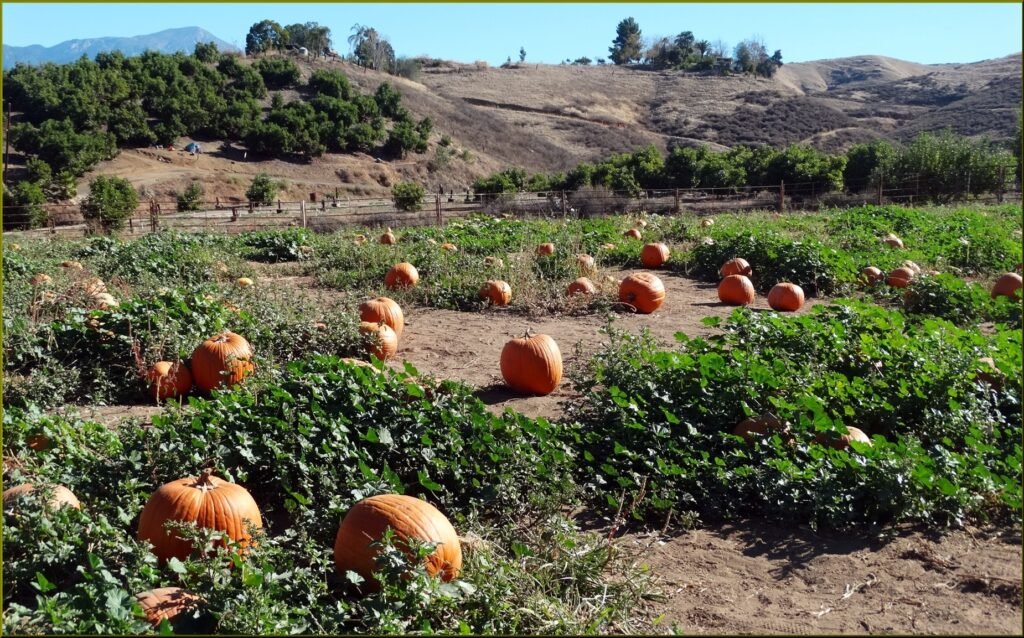
Pumpkin patches and corn mazes have grown well beyond a simple farm stand selling pumpkins by the roadside. Most now combine hayrides, elaborately designed mazes, petting zoos, and food vendors into a full afternoon outing, and the best ones near major US cities draw families from well outside their immediate area every fall. This guide is organized by metro area, since “best near me” is how most readers actually search and plan this kind of trip, rather than a single ranked national list that doesn’t account for where you’re actually starting from.
Each metro section below covers at least two distinct options, since families in a large metropolitan area often have a genuine choice between a closer, more convenient farm and a slightly further one offering more space, lower prices, or a different overall atmosphere. Picking between them usually comes down to how much of the day you want to dedicate to travel versus the farm itself.
New York City Area
Los Angeles Area
Chicago Area
Boston Area
Dallas Area
What to Expect: Hayrides, Mazes, and Beyond
Timing Your Visit
Getting the Best Fall Photos
Stretching Your Budget
FAQ
New York City Area
The Hudson Valley’s long agricultural history makes it one of the strongest pumpkin-patch regions within reach of a major East Coast city, and its proximity to the city means even a day trip without an overnight stay is realistic for most families.
Hudson Valley Farms
Several long-established farms throughout the Hudson Valley, roughly an hour to 90 minutes north of the city, combine genuine working orchards with elaborate seasonal corn mazes redesigned with a new pattern each year, along with hayrides through the surrounding farmland and a strong selection of fall-specific food like fresh cider donuts. Many of these farms trace their agricultural roots back well over a century, giving the whole outing a more genuinely historic feel than a purely seasonal pop-up attraction would offer.
Hudson Valley, New York, roughly 60-90 minutes from NYC. Admission typically covers maze and grounds access; pumpkins priced separately. Best on a weekday in early-to-mid October for the fullest pumpkin selection with fewer crowds.
Long Island Farms
For families based in the city’s eastern boroughs or on Long Island itself, the North Fork’s farming region offers a closer alternative to the Hudson Valley, with several working farms running seasonal pumpkin patches and mazes alongside their regular agricultural operations, often paired with the region’s well-known vineyards for a broader day-trip itinerary. The North Fork’s working-farm character means the pumpkin patch experience here tends to feel less like a purpose-built seasonal attraction and more like a genuine visit to an active agricultural operation.
Long Island’s North Fork, New York, roughly 60-90 minutes from the city depending on starting point. Admission and pumpkin pricing vary by farm. Best combined with a stop at one of the region’s vineyards for an adult-friendly addition to the day.
Los Angeles Area
Southern California’s mild fall climate means pumpkin patches here often run alongside genuinely warm, sunny weather rather than the crisp chill associated with the season elsewhere in the country, which shapes the whole experience toward a lighter, beach-adjacent version of the tradition.
Southern California Pumpkin Farms
Several well-established Southern California pumpkin patches combine large pick-your-own pumpkin fields with carnival-style attractions, petting zoos, and photo-friendly fall decor, drawing families from across the greater LA area for a full-day outing rather than a quick pumpkin run. Many of these farms sit within an hour of central LA, making them realistic for a Saturday outing without an overnight commitment.
Greater Los Angeles area. Admission and pumpkin pricing vary by farm. Best on a weekday morning to avoid the area’s notoriously heavy weekend crowds.
Inland Empire and San Bernardino Farms
Slightly further east, farms in the Inland Empire and San Bernardino areas tend to offer larger overall grounds and lower prices than their counterparts closer to central LA, at the cost of a somewhat longer drive for families based on the coast. The extra space at these farms often translates into more elaborate corn maze designs and a genuinely bigger pumpkin selection than the more compact patches closer to the city center.
Inland Empire and San Bernardino area, roughly 60-90 minutes from central LA. Admission and pumpkin pricing generally lower than closer-in options. Best for families prioritizing value and space over minimizing drive time.
Chicago Area
The Midwest’s deep agricultural roots mean corn mazes here tend toward genuinely large, elaborately designed layouts, and the region’s flat, open farmland gives designers considerably more room to work with than tighter, hillier farms elsewhere in the country.
Midwest Corn Maze Farms
Farms throughout the Chicago suburbs and surrounding countryside compete each year to design increasingly elaborate, large-scale corn maze patterns, often visible and photographed from above once the design is complete, alongside traditional pick-your-own pumpkin fields and hayride tours of the property. Some of the larger operations design their maze pattern around a specific yearly theme, adding a layer of novelty for families who return to the same farm year after year.
Chicago suburbs and surrounding countryside. Admission typically covers maze and grounds access. Best allowing at least half a day given how large some of the more elaborate maze designs have become.
Wisconsin Border Farms
For families willing to drive slightly further north toward the Wisconsin border, several farms in that region offer a genuinely rural, less crowded alternative to the busier farms closer to Chicago proper, often at a lower price point given their distance from the city. The drive itself, through open Midwest farmland, can be a genuinely scenic part of the day rather than simply a means of getting there.
Near the Illinois-Wisconsin border, roughly 60-90 minutes from downtown Chicago. Admission and pumpkin pricing generally lower than closer-in options. Best for families prioritizing a quieter, more rural experience over minimizing drive time.

Boston Area
New England’s fall foliage season overlaps directly with pumpkin-patch season, giving farms near Boston a genuine scenic advantage over flatter regions of the country, since a single outing can combine a pumpkin patch with some of the best fall color in the entire US.
New England Farms
Farms within an hour or so of Boston combine pumpkin picking with New England’s broader fall foliage display, often set against a backdrop of stone walls and colonial-era farmhouses that give the whole outing a distinctly regional character beyond the pumpkins themselves. Several of these farms have operated continuously for well over a century, adding a genuine sense of place that newer, purpose-built seasonal attractions elsewhere in the country can’t replicate.
Greater Boston area, typically 45-75 minutes out. Admission and pumpkin pricing vary by farm. Best in early-to-mid October when foliage and pumpkin season overlap most fully.
South Shore and Cape Cod Farms
Families based south of Boston have their own set of farms along the South Shore and into the Cape Cod region, offering a coastal New England alternative to the more inland, mountain-adjacent farms further north, often with a milder microclimate that extends the comfortable visiting window slightly later into the fall. Several of these farms sit close enough to the coast that a pumpkin-patch visit can realistically be combined with a beach stop on the same day, a genuinely unusual pairing for this kind of fall outing.
South Shore and Cape Cod area, south of Boston. Admission and pumpkin pricing vary by farm. Best for families already planning a Cape Cod trip who want to combine it with a pumpkin patch stop.
Dallas Area
Texas pumpkin patches often lean into a distinctly regional, ranch-style version of the fall farm outing, reflecting the broader agricultural and ranching culture of North Texas more directly than the orchard-focused farms common in the Northeast.
North Texas Pumpkin Patches
Farms throughout the Dallas-Fort Worth area combine pumpkin patches with genuinely Texas-specific touches, including hay bale mazes, farm-animal encounters reflecting the region’s ranching culture, and, in many cases, considerably larger overall grounds than similar farms in more land-constrained parts of the country. Several of these farms also incorporate genuine ranch operations into the seasonal attraction, giving visitors a look at working Texas agriculture alongside the pumpkin-patch entertainment.
Dallas-Fort Worth area. Admission and pumpkin pricing vary by farm. Best in October, though North Texas’s later, milder heat sometimes extends comfortable visiting conditions further into the fall than in cooler climates.
Church and Community Patches
Beyond the larger commercial farms, many North Texas churches and community organizations run their own smaller seasonal pumpkin sales, often as a fundraiser, offering a lower-key, less elaborately produced alternative for families who want a simpler pumpkin-buying trip without the full farm-attraction experience. These lots typically source their pumpkins from the same regional growers supplying the larger farms, so the quality difference is minimal even though the overall experience is considerably more modest.
Various locations throughout the Dallas-Fort Worth area. Pumpkin pricing typically supports the hosting organization directly. Best for a quick, low-cost pumpkin purchase without the broader farm-attraction commitment.
What to Expect: Hayrides, Mazes, and Beyond
Most farms covered in this guide bundle several activities into a single admission price rather than charging separately for each: hayrides through the property, at least one corn maze (often with a simpler version for young children and a larger one for older kids and adults), a petting zoo or small farm-animal area, and food vendors specializing in fall specifics like cider donuts, kettle corn, and hot apple cider. Some larger farms have also added apple cannons, zip lines, or small carnival-style rides, extending the experience well beyond the pumpkin patch itself.
Reading the fine print on what a specific admission fee actually includes is worth doing before arriving, since some farms charge a flat entry fee covering nearly everything, while others use an à la carte model where the hayride, maze, and pumpkin selection are each priced separately. This distinction can meaningfully change the total cost of a family visit, particularly for larger families, so checking a farm’s current pricing structure ahead of time helps avoid surprises at the gate.

Timing Your Visit
Most farms in this guide open in mid-to-late September and run through Halloween, with the widest selection of pumpkins and generally the most comfortable weather falling in the first three weeks of October before the final pre-Halloween rush. Weekday mornings offer a noticeably calmer experience than weekend afternoons throughout the season, and the two or three weekends immediately before Halloween are, without exception, the busiest and most crowded at every farm covered here.
Weather also plays a bigger role in timing than many first-time visitors expect: a rainy weekend can turn an unpaved farm parking lot and walking paths into genuinely difficult mud, so checking the forecast and bringing appropriate footwear matters more at these farms than at a typical indoor family attraction. Arriving in the first hour or two after opening, rather than in the middle of the day, tends to offer both cooler temperatures and noticeably shorter lines for the more popular attractions like hayrides and mazes.
If this guide helped you plan a fall outing, subscribe to Worldly Traveler on YouTube for more hidden gems guides from around the world.
Getting the Best Fall Photos
Most farms in this guide deliberately design at least one section of the property, often a sunflower field, a hay bale display, or a specific photogenic pumpkin arrangement, specifically for family photos, and visiting that section earlier in the day generally means better light and fewer other families waiting for the same spot. Overcast mornings, somewhat counterintuitively, often produce more flattering, evenly lit photos than the harsh midday sun common at many outdoor farm settings.
Stretching Your Budget at a Pumpkin Patch
Given how quickly a family outing to one of these farms can add up once admission, hayride tickets, pumpkins, and snacks are all factored in, a few practical habits help keep the total cost reasonable. Many farms offer a discounted combo ticket covering admission and the hayride together, which is worth asking about at the gate even if it isn’t prominently advertised online. Bringing your own water and snacks, where a farm’s policy allows outside food, can meaningfully reduce the on-site concession spending that otherwise adds up over a multi-hour visit. Checking for a farm’s own website or social media for printable or digital discount coupons, a surprisingly common practice among smaller, independently run farms specifically, is also worth the few minutes it takes before heading out the door.
Frequently Asked Questions
When do pumpkin patches typically open?
Most pumpkin patches and corn maze farms open in mid-to-late September and run through Halloween, with the fullest range of pumpkins and best weather typically falling in the first three weeks of October. Exact opening dates vary by farm and by year depending on the growing season, so check each location’s current-season schedule before visiting rather than assuming the same dates as a previous year.
Are corn mazes safe and appropriate for young kids?
Most farms offer mazes of varying difficulty, including a shorter, simpler version specifically designed for young children alongside a larger, more challenging maze for older kids and adults. Checking a farm’s website for age-appropriate maze options before visiting helps match the experience to your group.
Is it cheaper to buy pumpkins at a patch or a grocery store?
Grocery store pumpkins are typically cheaper per pumpkin, since a patch visit usually includes an admission fee covering the broader farm experience (hayrides, mazes, activities) on top of the pumpkin itself. A patch visit is generally priced as a family outing rather than a pure pumpkin-shopping errand.
What is the best day of the week to avoid crowds at a pumpkin patch?
Weekday mornings, particularly early in the season before the final two weekends of October, tend to be noticeably less crowded than weekend afternoons throughout peak season. Farms near major cities in particular see their heaviest crowds on the two or three weekends immediately before Halloween, when families who waited to plan their visit all converge on the same limited number of remaining weekend dates.
Do these farms require advance tickets?
Policies vary by farm — some allow walk-up admission year-round, while others, particularly larger or more popular operations near major cities, have moved to timed-entry ticketing during peak weekends. Checking each farm’s current ticketing policy before a weekend visit is worth doing to avoid being turned away at capacity.