
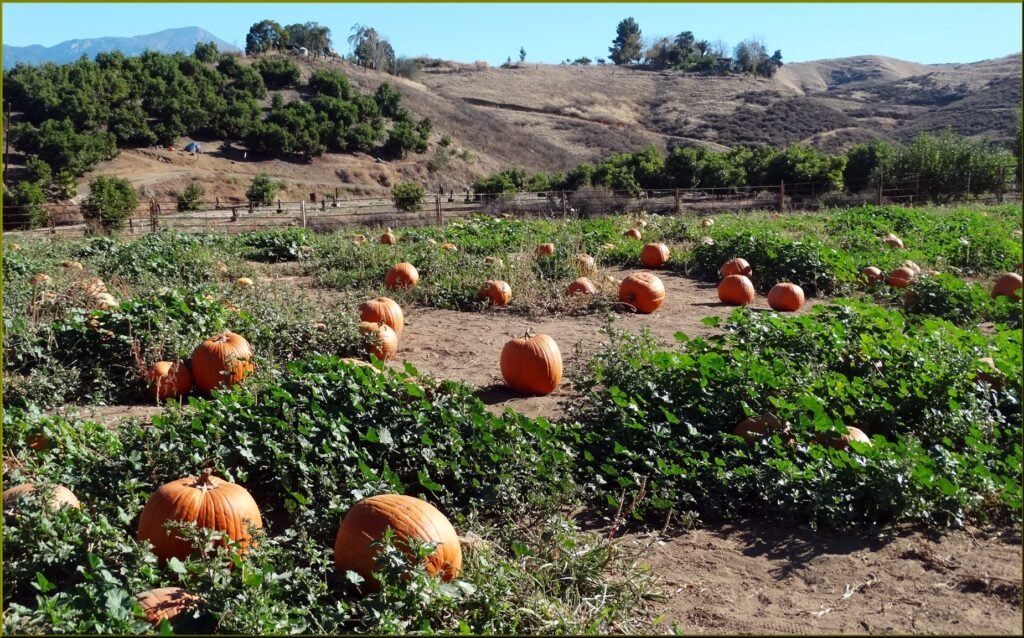
America’s fall festival season genuinely ranges from small, family-run farm stands selling a few dozen pumpkins to massive, decades-old civic celebrations drawing hundreds of thousands of visitors over a single weekend. This guide walks through the best regions and specific festivals for pumpkin patches and fall celebrations across the country, checked against real research into each, along with practical planning advice for making the most of a visit.
What makes America’s pumpkin and fall festival tradition genuinely distinct from similar seasonal celebrations elsewhere in the world is how deeply it’s tied to a specific, relatively recent commercial evolution, agritourism as a dedicated industry genuinely took shape mostly over the past three to four decades, as farms facing declining margins on traditional crops discovered that pumpkin picking, hayrides, and corn mazes could genuinely generate more revenue per acre than conventional farming alone. That shift transformed thousands of working farms across the country into genuine seasonal destinations, and the specific character of that transformation varies considerably by region, shaped by local farming traditions, climate, and each area’s particular relationship to Halloween and Thanksgiving.
New England Farm Stands
The Midwest’s Major Festivals
California’s Agritourism Farms
The Southeast’s Corn Mazes
The History Behind America’s Pumpkin Tradition
The World of Giant Pumpkin Growing
Comparing the Regions
Planning Your Visit
Regional Fall Food Traditions
FAQ
New England Farm Stands
Genuinely the most quintessential version of the American pumpkin patch experience, small family farms selling directly from roadside stands.
New England Farm Stands
New England’s long tradition of small, multi-generational family farms genuinely shaped the region’s distinctive approach to fall agritourism, many of the same farms that sold apples and cider in earlier decades gradually added pick-your-own pumpkin patches, hayrides, and corn mazes as fall tourism grew into a significant seasonal business starting in the 1990s and 2000s. Massachusetts’ Belkin Family Lookout Farm, one of the oldest continuously operating farms in the country, dating back to 1651, and Connecticut’s numerous farms along the Connecticut River Valley both offer a genuinely authentic version of the farm stand experience, combining pumpkin picking with cider donuts, hot apple cider, and the kind of unpretentious, small-scale operation that’s become increasingly rare as agritourism has grown more commercialized elsewhere in the country.
Vermont and New Hampshire’s farms genuinely benefit from timing overlap with the region’s famous fall foliage season, meaning a pumpkin patch visit here can easily combine with scenic countryside driving, a pairing that’s made New England farms genuinely popular weekend destinations for visitors from Boston, New York, and other nearby metropolitan areas. Many of these farms remain deliberately modest in scale compared to the larger agritourism operations found elsewhere in the country, prioritizing a genuine working-farm atmosphere over elaborate seasonal attractions, and several still operate as genuinely functioning farms year-round, with the fall pumpkin season representing just one part of a broader agricultural operation rather than the farm’s sole purpose.
Rhode Island and coastal Connecticut add a further genuinely distinct layer to the region’s fall tradition, several farms here combining pumpkin patches with harvest-themed craft fairs and local artisan markets, reflecting the broader New England pattern of blending agricultural tourism with the region’s strong tradition of small-scale craft and food production.
Massachusetts, Connecticut, Vermont, and New Hampshire. Entry typically free; pumpkin and produce priced individually. Best late September through mid-October, overlapping with the region’s peak foliage season.
.jpg)
The Midwest’s Major Festivals
Home to America’s largest and most historic civic pumpkin celebrations, several running continuously for over a century.
The Circleville Pumpkin Show
Held in Circleville, Ohio since 1903, the Circleville Pumpkin Show is widely considered one of the largest pumpkin-themed festivals in the country, drawing several hundred thousand visitors over its four-day run each October, its downtown streets closed to traffic and lined with food vendors selling everything from pumpkin pie to pumpkin burgers. The festival’s giant pumpkin weigh-off, where growers compete to produce the heaviest pumpkin, regularly features specimens exceeding 1,000 pounds, and the surrounding parades, rides, and live entertainment have made the event a genuine multi-generational tradition for families across the region, some attending for decades running. The show’s origins trace back to a simple display of pumpkins and corn outside a local storefront, a modest beginning that gives the festival’s current scale a genuinely striking sense of how far the tradition has grown over more than a century of continuous operation.
Circleville, Ohio, roughly 25 miles south of Columbus. Free admission; food and ride tickets priced individually. Best mid-to-late October during the festival’s official four-day run, held annually around the third week of the month.
Illinois’s Pumpkin Industry
Illinois consistently produces more pumpkins than any other US state, largely due to a significant concentration of processing facilities in the Peoria area, particularly a major cannery that supplies a substantial share of the country’s canned pumpkin puree, meaning much of America’s Thanksgiving pumpkin pie genuinely traces back to farms within a relatively small radius of central Illinois. That agricultural infrastructure also supports a genuinely significant network of pick-your-own patches and agritourism farms throughout the state, several combining pumpkin picking with corn mazes, hayrides, and apple orchards in the same visit, a one-stop version of the classic Midwest fall outing.
Morton, Illinois, self-declared the “Pumpkin Capital of the World,” hosts its own significant annual festival each September, a genuinely fitting celebration given the town’s direct connection to the pumpkin processing industry that supplies so much of the country’s canned pumpkin supply, and the festival’s parade and pumpkin-themed food vendors reflect a genuine civic pride in the town’s specific agricultural identity, distinct from the more general harvest celebrations found in most other American towns.
Central Illinois, particularly around Peoria and Morton. Free to explore; individual farm activities priced separately. Best late September through October, with Morton’s own annual Pumpkin Festival typically held in mid-September.
.jpg)
California’s Agritourism Farms
Genuinely a different, often larger-scale version of the pumpkin patch experience, shaped by California’s longer growing season and significant agricultural industry.
California’s Agritourism Farms
California’s Half Moon Bay, along the coast south of San Francisco, hosts one of the country’s most significant pumpkin-growing regions, its annual Art and Pumpkin Festival, running since 1971, drawing crowds specifically for its giant pumpkin weigh-off and the surrounding coastal farms’ pick-your-own patches, the region’s cool coastal climate genuinely proving surprisingly well suited to growing giant competition pumpkins despite California’s broader reputation for warmer, drier agricultural land. The state’s larger agritourism operations, particularly around the Central Valley, have developed some of the most elaborate fall attraction complexes in the country, multi-acre corn mazes, zip lines, and themed hay rides that go considerably beyond the simpler farm-stand model found in New England, reflecting California’s generally more commercially developed approach to seasonal agritourism.
California’s genuinely longer growing season, compared to colder Northeast and Midwest states, also means the state’s farms can offer a somewhat extended pumpkin season, some operations opening as early as late September and continuing comfortably through Halloween without the earlier frost concerns that shape scheduling further north and east. That extended window, combined with the state’s large population centers within reasonable driving distance of major agritourism farms, has helped California’s fall festival industry grow into a genuinely significant seasonal business in its own right.
Half Moon Bay and the Central Valley, California. Entry fees vary by farm, typically higher than East Coast equivalents given the scale of attractions offered. Best October, with Half Moon Bay’s festival specifically held in mid-October each year.
The Southeast’s Corn Mazes
A genuinely growing agritourism scene, combining pumpkin patches with some of the country’s most elaborate corn maze designs.
The Southeast’s Corn Mazes
Southern states including Kentucky, Tennessee, and North Carolina have seen genuinely significant growth in fall agritourism over the past two decades, several farms specifically investing in elaborate, custom-designed corn mazes, some depicting detailed images or messages visible from aerial photographs, a genuine art form that’s developed its own specialized design industry, with a handful of companies now specializing exclusively in designing and cutting these increasingly intricate maze patterns for farms across the country. These farms typically combine the maze with a pumpkin patch, hayrides, and often a corn cannon or other family-oriented attractions, reflecting a broader regional trend toward larger, more activity-packed agritourism destinations rather than simple roadside pumpkin stands.
The region’s generally milder fall climate compared to New England or the Midwest also genuinely extends the comfortable visiting season somewhat later into October and even early November in parts of the Deep South, a real advantage for families planning trips around school schedules that don’t always align neatly with the earlier peak timing found further north. Kentucky specifically has developed a genuinely notable cluster of large-scale agritourism farms in its central Bluegrass region, several combining their fall attractions with the area’s well-known horse farm tourism, offering visitors a genuinely distinctive regional pairing not found in other parts of the Southeast.
Kentucky, Tennessee, and North Carolina. Entry fees vary by farm. Best October, with the milder Southern climate extending the comfortable visiting window slightly later than northern regions.

The History Behind America’s Pumpkin Tradition
The jack-o’-lantern tradition, so central to why pumpkins became linked with fall celebration in the first place, genuinely originated in Ireland and Britain, where turnips and other root vegetables, rather than pumpkins, were originally carved for Samhain and later Halloween celebrations. Irish and Scottish immigrants brought the tradition to America in the 19th century, and pumpkins, genuinely native to North America and considerably larger and easier to carve than a turnip, quickly became the preferred canvas, a substitution so complete that most Americans today have never encountered the original turnip version of the custom. That immigrant history is part of why pumpkin carving remains genuinely concentrated as an autumn tradition specifically in the United States and a handful of other countries with significant Irish and British diaspora populations, rather than existing as a universal harvest custom worldwide.
Pumpkin pie’s own American history runs nearly as deep, early colonial recipes for pumpkin-based dishes appear in cookbooks dating back to the 17th century, though the dessert didn’t take its modern form, a spiced custard filling in a pastry crust, until considerably later. That dish’s genuine centrality to Thanksgiving specifically, rather than simply a general fall dessert, reflects pumpkin’s status as one of the few crops genuinely native to the Americas that colonial settlers adopted directly from Indigenous agricultural practice, a food history considerably older and more layered than the modern pumpkin patch industry built around it today.
The World of Giant Pumpkin Growing
Behind the giant pumpkin weigh-offs that anchor festivals like Circleville and Half Moon Bay sits a genuinely dedicated, highly technical competitive growing community, specialized giant pumpkin seed varieties, most tracing back to a specific lineage first developed in the 1980s and continuously refined since, can now regularly produce specimens exceeding 2,000 pounds under ideal growing conditions, a scale that would have seemed genuinely unimaginable to growers just a few decades earlier. Competitive growers dedicate enormous effort to a single plant each season, carefully managing soil composition, irrigation, and even vine positioning to maximize the size of one selected pumpkin while pruning away all other fruit the plant produces, a genuinely intensive process that can involve daily monitoring for months leading up to a fall weigh-off.
The Great Pumpkin Commonwealth, an organization overseeing sanctioned giant pumpkin weigh-offs across North America and parts of Europe, maintains official records and standardized weighing procedures for these competitions, giving the hobby a genuinely organized, almost sport-like structure complete with its own governing body, rulebook, and recognized world records. World record pumpkins have climbed dramatically over the past two decades, from just over 1,000 pounds in the early 2000s to specimens now regularly exceeding 2,600 pounds at the sport’s highest competitive level, a genuinely remarkable trajectory that reflects both improved genetics and increasingly sophisticated growing techniques shared within the dedicated community of competitive growers. Attending a weigh-off in person, watching a pumpkin the size of a small car get lifted by forklift onto an industrial scale, offers a genuinely different appreciation for the fall pumpkin tradition than simply picking a normal-sized pumpkin from a patch.
Comparing the Regions
| Region | Character | Best For |
|---|---|---|
| New England | Small, traditional family farms | Combining with fall foliage drives |
| Midwest | Large historic civic festivals | Major events, giant pumpkin contests |
| California | Elaborate, commercially developed farms | Bigger attractions, longer season |
| Southeast | Growing agritourism, elaborate mazes | Extended season, family activities |
Each region genuinely reflects a different chapter of how American fall agritourism developed, New England’s farms represent the tradition’s oldest, most understated roots, the Midwest’s civic festivals reflect over a century of continuous community celebration, California’s operations show the industry’s more recent commercial evolution, and the Southeast represents agritourism’s most actively expanding frontier, with new elaborate farms opening regularly to meet growing regional demand. Cost genuinely varies considerably across these regions too, New England’s smaller family farms typically charge only for the pumpkins and produce themselves, while California and the Midwest’s larger attraction complexes often charge a general admission fee covering access to mazes, rides, and other activities, a real budgeting consideration for families planning a visit to the more elaborate destinations.
Planning Your Visit
Visiting on a weekday, rather than a weekend, genuinely reduces both crowds and wait times substantially at the most popular pumpkin patches and festivals, particularly the larger Midwest events and California’s most elaborate agritourism farms, where weekend lines for popular attractions like corn mazes can stretch considerably longer than most visitors expect, sometimes exceeding an hour during the very peak of the season. Checking individual farm websites or social media for specific opening dates and hours genuinely matters, since smaller family farms in particular don’t always maintain updated, easily searchable information, and hours can shift based on weather or that season’s harvest timing, a genuinely common occurrence given how weather-dependent agricultural operations remain even when marketed primarily as tourist attractions.
Bringing cash, many smaller farm stands, especially in New England, still operate on a cash or simple honor-system basis for smaller purchases, and dressing for genuinely variable outdoor conditions, since farm fields and open festival grounds offer little shelter from wind, sun, or unexpected rain, both count as genuinely practical advice for a comfortable visit. Booking timed tickets in advance has become increasingly common at the larger, more elaborate agritourism destinations, particularly in California and parts of the Midwest, a genuinely worthwhile step to check before arriving, since some of the most popular farms now sell out specific time slots well ahead of the actual visit date during the busiest fall weekends.
Regional Fall Food Traditions
Beyond the pumpkins themselves, each region’s fall festival scene genuinely comes with its own distinct food culture worth seeking out. New England’s cider donuts and fresh-pressed apple cider remain genuinely inseparable from the farm stand experience there, often made fresh on-site using the same orchards supplying the pumpkin patch. The Midwest’s festivals lean more heavily into fair-style food, funnel cakes, corn dogs, and pumpkin-flavored everything, from lattes to fudge, reflecting the region’s broader county fair culture that predates the modern pumpkin festival boom by generations. Southern agritourism farms increasingly incorporate barbecue and other regional specialties alongside the standard fall festival fare, a genuine reflection of how thoroughly these newer farms have integrated into each area’s existing food culture rather than importing a generic national template.
If this guide helped you plan a fall outing, check out more travel videos from Worldly Traveler.
Whichever region and festival ends up on your calendar, America’s fall pumpkin and harvest tradition genuinely offers something for nearly every kind of traveler, small-scale nostalgia in a New England farm stand, big civic celebration in a century-old Midwest festival, elaborate modern attractions in California, or a rapidly growing scene in the Southeast. Each version reflects a genuinely different regional relationship with the harvest season, and together they represent one of the most accessible, family-friendly ways to celebrate autumn found anywhere in the country, a tradition that, despite its relatively recent commercial packaging, ultimately traces back to genuinely old agricultural and immigrant customs that continue to shape how millions of American families mark the changing season each year.
Frequently Asked Questions
What is the largest pumpkin festival in America?
The Circleville Pumpkin Show in Ohio, running continuously since 1903, is widely considered one of the largest pumpkin festivals in the country, drawing several hundred thousand visitors over its four-day run each October, its downtown streets fully closed to accommodate the crowds.
When do pumpkin patches typically open?
Most pumpkin patches across the US open in mid-to-late September and remain open through Halloween on October 31st, with the peak visiting window generally falling in the first three weeks of October, when weather remains comfortable and the pumpkin selection is at its fullest.
What state grows the most pumpkins?
Illinois consistently produces more pumpkins than any other US state, largely due to a concentration of processing facilities in the Peoria area that supply much of the country’s canned pumpkin, though many states host significant pick-your-own patches for the fresh pumpkin market.
Are corn mazes usually part of pumpkin patches?
Yes, many American pumpkin patches, particularly larger agritourism farms, pair a corn maze with their pumpkin selection, offering a combined fall activity that has become genuinely standard at farms across the Midwest and Northeast.
How heavy can competition pumpkins get?
Modern giant pumpkins grown for competitive weigh-offs regularly exceed 2,000 pounds, with world record specimens now surpassing 2,600 pounds, a dramatic increase from records set just two decades ago thanks to improved seed genetics and specialized growing techniques.