
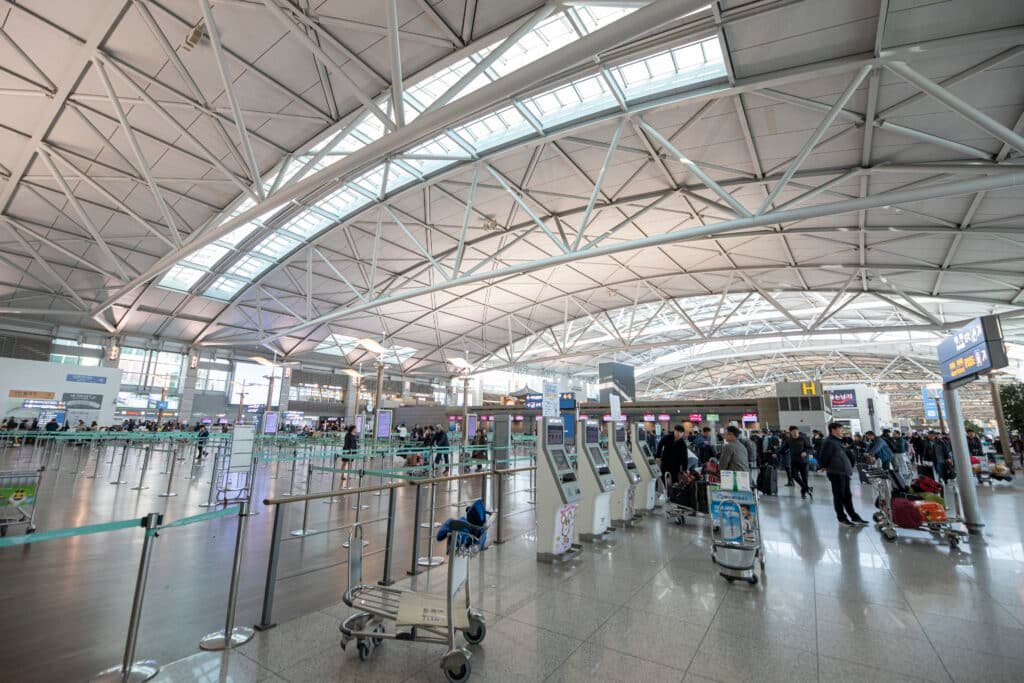
Incheon has spent years near the top of every major airport ranking, and it’s not just because the terminals are clean and the signage makes sense. This is an airport that built an actual traditional Korean street inside itself, complete with tiled roofs and hands-on craft workshops, and then added free showers, an ice rink, and a genuinely generous free tour program on top of it. This guide, built from independent research, covers Incheon’s best hidden gems, plus a time-based plan for whatever length of layover you’re working with.
What sets Incheon apart from most transit hubs is the sheer range of what’s free. Airports around the world increasingly treat every amenity, showers, lounges, even basic seating, as a revenue opportunity, but Incheon still bundles a genuine cultural program, rest facilities, and even a museum-grade heritage collection into the standard cost of a ticket. Whether you’re on a short domestic connection or a genuine 10-hour layover between long-haul flights, there’s enough here to turn a stopover most travelers dread into one of the more memorable parts of a trip to Korea.
Terminal 1 vs. Terminal 2
Korean Cultural Street
Museum of Korean Culture
Free Showers & Rest
Ice Rink & Recreation
Dining & Duty-Free Highlights
What to Do at Incheon for 5, 8, or 10 Hours
Getting To and From Incheon
Long Layover Basics
FAQ
Terminal 1 vs. Terminal 2
Incheon operates across two separate terminal buildings, and knowing which one you’ve landed in matters for finding most of the hidden gems in this guide.
Terminal 1
The original terminal, opened in 2001, hosts most of the specific attractions covered in detail below: the Korean Cultural Street, the bulk of the craft workshops, and the Royal Changing of the Guard ceremony are all Terminal 1 fixtures. Airlines assigned here include most Asian carriers outside of Korean Air and its SkyTeam partners, along with a wide range of international airlines on rotating gates.
Terminal 1. Free to walk through regardless of ticketed airline, provided you’re already past security on a connecting itinerary.
Terminal 2
Opened in 2018 primarily for Korean Air, Delta, and other SkyTeam alliance carriers, Terminal 2 is newer, quieter, and built with a striking indoor garden and a more minimalist design aesthetic than Terminal 1’s denser layout. It has its own smaller-scale cultural exhibits and rest areas, though travelers looking specifically for the Cultural Street or the Museum of Korean Culture will need to make the short trip over to Terminal 1.
Terminal 2. Free. Best if your layover allows enough time for the shuttle transfer.

Getting Between Terminals
A free, efficient shuttle train connects Terminal 1 and Terminal 2 in about 15-20 minutes, running frequently throughout the day. If your connecting flight departs from a different terminal than the one you landed in, build in extra buffer time beyond the shuttle ride itself, since it also involves walking time on both ends and a repeat security screening in some circumstances. Checking your boarding pass for the correct terminal before setting out to explore is worth doing, since the Cultural Street’s location in Terminal 1 makes it an easy detour to miss if you’re actually connecting through Terminal 2.
Korean Cultural Street
This is Incheon’s single most distinctive feature, and it’s genuinely worth building time around.
The Korean Cultural Street
Located at the center of Terminal 1’s fourth floor, this recreated traditional streetscape is built around giwajip, houses with traditional tiled roofs, and a jeongja, an open-sided gazebo, giving travelers a genuine, if compact, taste of historic Korean architecture without ever leaving the terminal.
Terminal 1, 4th floor. Free. Best combined with the nearby craft workshops for the fullest cultural experience.
Traditional Culture Workshops
Free hands-on workshops near the departure gates let travelers try their hand at genuine Korean crafts, making jewelry boxes from hanji (traditional paper) or cell phone straps using traditional sewing techniques, with instructions available in English, Japanese, and Chinese. Rotating special programs, including coloring traditional fans and drawing traditional patterns, run every few months.
Terminal 1, near gates 24 (east wing) and 40 (west wing). Free. Best on weekdays between 10am and 6pm, when English-speaking guides are available.
Royal Changing of the Guard Ceremony
A genuine recreation of Korea’s historic royal guard ceremony, performed live in the airport’s hallways near gate 121, complete with traditional dress, sword and baton demonstrations, and martial arts, a surprisingly elaborate performance to catch between flights.
Terminal 1, near gate 121. Free. Best checking the current daily performance schedule, since timing varies.
HiKR Station
A genuinely modern counterpart to the airport’s traditional offerings, this immersive space lets travelers step into K-pop-themed photo zones, try on-screen performance experiences, and explore Korean beauty trends, a fun, contemporary complement to the more historical Cultural Street.
Terminal location varies; check current signage. Free. Best for travelers interested in contemporary Korean pop culture specifically.
Museum of Korean Culture
A genuinely serious museum, not just a token airport display case.
Museum of Korean Culture
Housing artifacts spanning royal culture, traditional arts, printing history, and Hangul (the Korean alphabet), this museum includes several pieces recognized by UNESCO, including replicas connected to Jikji, the world’s oldest surviving movable metal print book, predating Gutenberg’s press by decades. Rotating exhibits mean the specific artifacts on display change periodically, though the emphasis on genuinely explaining Korean history and craftsmanship, rather than simply displaying objects behind glass with minimal context, stays consistent.
Concourse, 4th floor. Free. Best allotting at least 30-45 minutes given the genuine depth of the collection.

Traditional Craft & Heritage Displays
Beyond the formal museum galleries, smaller display cases scattered through the terminal showcase traditional Korean handicrafts, from woven mats and lacquerware to hand-embroidered textiles, giving travelers with only a few spare minutes a taste of the same craftsmanship covered in greater depth inside the museum itself.
Scattered through Terminal 1 concourses. Free. Best as a quick stop for travelers short on time.

Traditional Culture Media Wall
A striking 150-meter, high-definition LED display in the Terminal 1 arrivals hall, running four themed segments, K-Heritage, K-Culture, K-Food, and K-Nature, offering arriving travelers a genuinely engaging introduction to Korea before they’ve even cleared immigration.
Terminal 1, arrivals hall. Free. Best experienced while walking the arrivals corridor, since the wall is designed to accompany foot traffic.

Free Showers & Rest
Incheon genuinely takes traveler comfort seriously, without always charging for it.
Free Shower Facilities
Unlike many major hubs that charge for shower access, Incheon offers free shower facilities across several terminal locations, a genuinely valuable amenity for long-haul travelers who want to arrive feeling human without paying for lounge access.
Multiple terminal locations; check current signage. Free. Best after a long-haul overnight flight, before a further connection or a trip into the city.
Rest Areas & Nap Zones
Incheon maintains dedicated, genuinely comfortable rest areas throughout its terminals, some with reclining chairs specifically designed for napping, a step up from standard gate seating for travelers facing a long wait.
Scattered across terminals. Free. Best for a layover of several hours where genuine rest matters more than exploring.
Free Wi-Fi & Charging Stations
Free, genuinely fast Wi-Fi covers the entire airport with no time limit or sign-up hurdles beyond accepting the terms, a small thing that still isn’t universal at major international hubs. Charging stations are built into much of the gate seating and rest areas, and dedicated business centers in both terminals offer desks, printing, and additional outlets for travelers who need to get work done during a long connection.
Airport-wide. Free. Best for travelers needing to catch up on work or simply keep devices charged before a long-haul flight.
Ice Rink & Recreation
Incheon rounds out its amenities with a couple of genuinely unexpected recreational options.
Ice Skating Rink
A genuine, full ice rink inside the terminal, open to travelers looking for an unusual and genuinely fun way to pass a few hours of a long layover, complete with skate rentals for those who didn’t happen to pack their own.
Terminal location varies; check current signage. Fee for skate rental and rink access. Best for travelers with a layover of at least a few hours and an appetite for something a little different.
Spa on Air
A genuine full-service spa and sauna facility, including traditional Korean jjimjilbang-style bathing options, offering serious relaxation for travelers with enough time and interest to make it worthwhile.
Terminal location varies; check current signage. Entry fee. Best for a layover of 4+ hours given the time needed to genuinely enjoy the facility.
Dining & Duty-Free Highlights
Incheon’s food and shopping options go well beyond standard airport fare, and a couple of spots are worth a detour on their own merits.
Korean Street Food Court
Rather than confining Korean cuisine to sit-down restaurants alone, several food court sections across both terminals serve genuine Korean street food, tteokbokki (spicy rice cakes), hotteok (sweet filled pancakes), and kimbap among the regulars, giving travelers a real taste of Korean food culture without needing a full restaurant sit-down meal.
Multiple terminal locations. Prices vary by vendor. Best for travelers wanting a genuine Korean meal without a long wait.
Duty-Free Zones
Incheon’s duty-free retail, spread across large concourse zones in both terminals, is genuinely extensive by international airport standards, with a strong emphasis on Korean cosmetics and skincare brands alongside the usual luxury fashion and liquor counters. Travelers specifically interested in K-beauty products often find better selection and occasional exclusive sets here than in downtown Seoul stores.
Multiple terminal locations, past security. Free to browse. Best allowing extra time if K-beauty shopping is a priority, since popular counters can have queues.
What to Do at Incheon for 5, 8, or 10 Hours
Getting To and From Incheon
For travelers whose layover is long enough to consider leaving the airport, or who are arriving in Seoul rather than just connecting, a few transit basics are worth knowing. The AREX (Airport Railroad Express) runs directly from both terminals into central Seoul, with an express service reaching Seoul Station in around 45 minutes and an all-stop local service taking closer to an hour while stopping at more neighborhoods along the way. Limousine buses offer a slower but often more convenient option for travelers headed to a specific hotel district, with routes covering most major areas of the city and downtown.
Taxis are readily available outside both terminals and are the fastest door-to-door option, though considerably more expensive than the train, especially during Seoul’s daytime traffic. For travelers connecting onward within Korea, a domestic terminal connection is also available for flights to Jeju and other regional airports, generally reached via a short shuttle or the AREX itself, so it’s worth checking your specific routing in advance if your itinerary includes a domestic leg.
Long Layover Basics
A few things genuinely make a long Incheon layover easier: a swimsuit and towel if you’re planning to use Spa on Air; a portable charger, since even a well-designed airport can have busy stretches at peak connection times; comfortable clothing if you’re trying the ice rink or a craft workshop; and a downloaded Incheon Airport app, which helps with terminal navigation and booking the free transit tour in advance. If you’re eligible for the free transit tour, checking your visa-free transit eligibility and booking a slot as early as possible in your layover is genuinely worth doing, since popular time slots can fill. And regardless of your layover length, Incheon’s terminals are connected by an efficient shuttle train, so don’t hesitate to explore beyond your home terminal if your connection allows it. Finally, keep your boarding pass and passport on hand throughout, since some of the free amenities, including the transit tour and certain workshop sessions, require a quick document check before you’re allowed to register, and staff at the information desks near each attraction can point you toward the correct sign-up counter if the process isn’t immediately obvious.
If this guide helped you plan your Incheon layover, subscribe to Worldly Traveler on YouTube for more travel guides from around the world.
Frequently Asked Questions
What are the best hidden gems at Seoul Incheon Airport?
Some of the best hidden gems at Incheon include the Korean Cultural Street with its traditional tiled-roof buildings, the Museum of Korean Culture, free shower facilities, an ice skating rink, and the airport’s free guided tours for eligible transit passengers.
What is the Korean Cultural Street at Incheon Airport?
It’s a recreated traditional Korean streetscape in the center of Terminal 1’s fourth floor, built with giwajip (tiled-roof houses) and a jeongja (traditional gazebo), where travelers can also try on hanbok and take part in hands-on craft workshops, all free of charge.
Does Incheon Airport offer free tours of Seoul?
Yes, Incheon Airport offers free guided transit tours for eligible passengers with a long enough layover and valid documentation, covering some of Seoul’s best-known sights before returning travelers to the airport in time for their next flight.
Can you shower for free at Incheon Airport?
Yes, Incheon offers free shower facilities in several locations across its terminals, a genuinely valuable amenity for travelers on a long-haul connection who want to freshen up without paying for lounge access.
What can you do at Incheon Airport during a long layover?
With a longer layover, you can explore the Korean Cultural Street, visit the Museum of Korean Culture, try free showers, skate at the ice rink, and, with the right documentation, take a free guided tour into Seoul itself.