
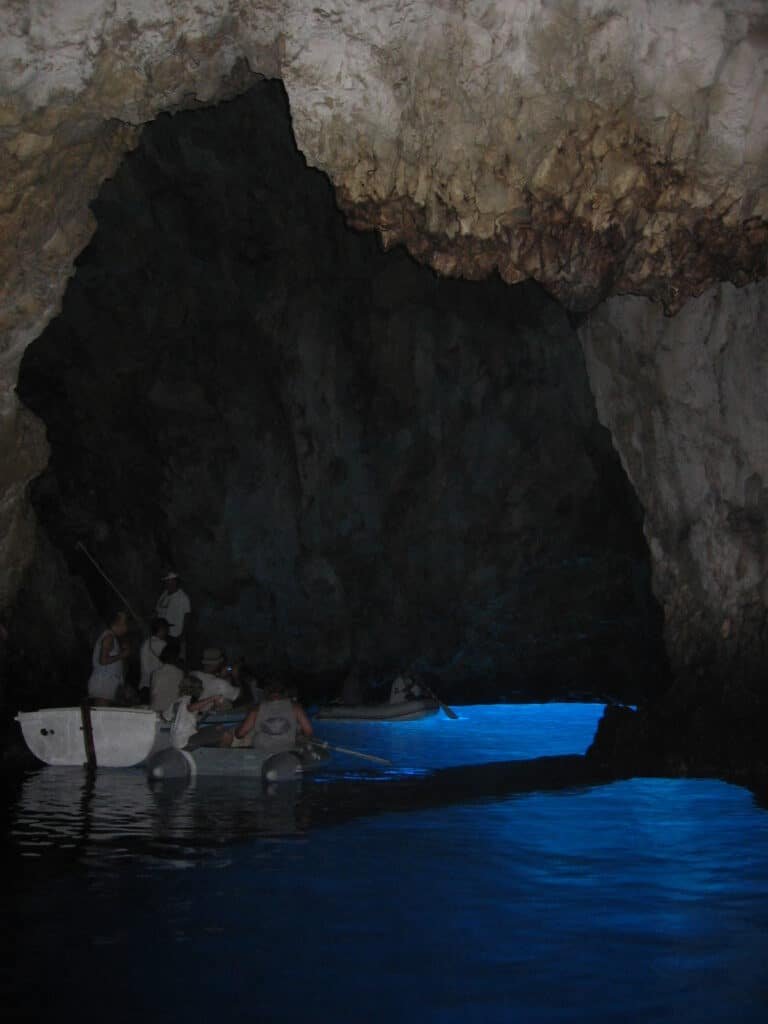
Dubrovnik and Split anchor most Croatian coastal itineraries, and Hvar and Korčula have become well-trodden stops in their own right — but the Dalmatian Coast stretches across hundreds of kilometers and more than a thousand islands, and the overwhelming majority of that coastline sees only a fraction of the tourist traffic concentrated in a handful of famous spots. This guide covers more than 25 Dalmatian Coast hidden gems, verified against independent sources, organized geographically from north to south. I cover the core list in the video below, with additional verified spots included here to round out a genuinely comprehensive guide.
What makes the Dalmatian Coast such fertile ground for hidden gems is simple geography: Croatia’s official count runs past 1,200 islands and islets along this stretch of coast, and only a small handful — Hvar, Korčula, Brač — have developed the kind of tourism infrastructure and reputation that funnels most visitors their way. Everywhere else, from the Kornati archipelago’s stark limestone islets to tiny car-free communities like Koločep and Lopud, the coastline looks much the way it did decades ago. Even mainland towns a short drive from Split or Dubrovnik, like Omiš or Cavtat, get bypassed by travelers racing between the two headline cities.
Zadar Area & the North
Split & Surroundings
The Islands
Dubrovnik & the South
Island Hopping the Dalmatian Coast
Best Time to Visit
Where to Base Yourself
FAQ
Zadar Area & the North
Zadar sees far less tourist traffic than Split or Dubrovnik despite offering comparable history and a genuinely unique modern landmark.
1. Sakarun Beach, Dugi Otok
A shallow, sandy bay on Dugi Otok (“Long Island”) with turquoise water reminiscent of the Caribbean, a rarity on a coastline dominated by pebble beaches, reached by ferry from Zadar.
Dugi Otok, ferry from Zadar. Free. Best in June or September for warm, uncrowded water.
2. Telašćica Nature Park
A protected bay on Dugi Otok combining dramatic cliffs, a saltwater lake, and dense pine forest, offering some of the most striking coastal scenery in the northern Adriatic with a fraction of Krka’s visitor numbers.
Dugi Otok. Park entry fee. Best combined with a Sakarun Beach visit.
3. Zlarin Island
A car-free island near Šibenik historically known for coral harvesting, earning it the nickname “Island of Gold,” now a quiet retreat with pine forests and pebble coves.
Near Šibenik, ferry access. Free; ferry fare applies. Best for a peaceful day trip from Šibenik.
4. Šibenik’s St. Michael’s Fortress
A hilltop fortress overlooking Šibenik’s old town and harbor, now doubling as an open-air concert venue, with sweeping views that rival more famous fortress viewpoints elsewhere on the coast.
Šibenik. Entry fee. Best at sunset.
5. The Wall of Oštrica, Grebaštica
A 15th-century defensive stone wall (locally called “bedem” or nicknamed the “Chinese Wall”) stretching across the Oštrica peninsula near Grebaštica, built to protect the village during the Croatian-Ottoman wars and still largely intact today.
Grebaštica, near Šibenik. Free. Best combined with a coastal walk on the peninsula.
6. Murter Island — Betina Village
A traditional shipbuilding village on Murter Island, known for centuries of wooden boat construction, with a small museum dedicated to the craft and easy access to the Kornati Islands.
Murter Island, near Šibenik. Free to explore village; museum entry fee. Best as a gateway to Kornati boat tours.
7. Kornati National Park
An archipelago of over 140 largely barren, dramatic limestone islands, protected as a national park and accessible only by boat, offering some of the starkest and most photogenic scenery on the entire coast. The islands’ distinctive “crowns,” the tall limestone cliffs that plunge straight into the sea on their outward-facing sides, formed the basis for the archipelago’s name and remain one of the most striking sights anywhere on the Adriatic.
Boat access from Murter or Zadar. Park entry fee. Best on a full-day boat tour.

Split & Surroundings
Split’s old town and Diocletian’s Palace draw huge crowds, but the surrounding coastline and countryside stay quiet even in peak season.
8. Trogir Old Town
A UNESCO World Heritage medieval town on a small island connected to the mainland by bridges, with a well-preserved Romanesque cathedral and a compact old town that rewards slow wandering.
Near Split (27km). Free to explore; cathedral bell tower has a small fee. Best on a weekday to avoid cruise-ship day-trippers.

9. Krka Monastery
A 15th-century Serbian Orthodox monastery built on a small island within Krka National Park, reachable only by boat, offering a quieter counterpoint to the park’s famous crowded waterfalls.
Krka National Park, near Šibenik. Included with park entry. Best combined with a full Krka waterfalls visit.
10. Omiš Fortress
A ruined clifftop fortress above the small town of Omiš, once home to Adriatic pirates who used the surrounding gorge as a natural stronghold, now a scenic hike with river and sea views.
Omiš, south of Split. Small entry fee. Best combined with a Cetina River gorge visit.
11. Primošten Vineyards
Terraced vineyards on stone-walled plots surrounding the picturesque town of Primošten, producing the distinctive Babić red wine grown in this specific microclimate.
Primošten, between Split and Šibenik. Free to view; wine tastings priced separately. Best in early autumn during harvest.
12. Rogoznica’s Dragon’s Eye Lake
A near-perfectly circular saltwater lake (Zmajevo Oko) connected to the sea by an underground channel, ringed by cliffs, on a peninsula near the town of Rogoznica.
Rogoznica, between Split and Šibenik. Free. Best combined with a walk around the peninsula.
The Islands
Beyond Hvar and Korčula’s well-known towns, the smaller and less-connected islands hold some of the coast’s most rewarding hidden gems.
13. Stiniva Cove, Vis Island
Regularly ranked among the best beaches in Europe, this narrow, cliff-enclosed cove is reached only by a steep footpath or by boat, keeping crowds naturally limited despite its reputation. The narrow gap in the surrounding cliffs that frames the entrance from the sea is part of what makes it so distinctive and so difficult to photograph from any angle except directly offshore.
Vis Island. Free. Best reached by boat to avoid the steep hike with gear.
14. Komiža Village, Vis
A quiet fishing town on the opposite side of Vis Island from the main ferry port, with a genuine working-harbor atmosphere and considerably fewer visitors than Vis Town.
Vis Island. Free to explore. Best for a low-key evening meal by the harbor.
15. Lastovo Archipelago
One of the most remote and least-developed island groups on the Croatian coast, protected as a nature park, with traditional stone architecture and distinctive tall chimneys unique to the island.
Lastovo, ferry from Split. Ferry fare; limited departures. Best for a multi-day, slower-paced visit.
16. Šolta Island Olive Groves
A short ferry ride from Split, Šolta remains genuinely quiet despite its proximity to the mainland, known for ancient olive groves and a slower pace than the more visited islands further out.
Šolta, ferry from Split (under an hour). Free to explore. Best in autumn during olive harvest.
17. Mali Ston Oyster Farms
The Ston Bay has produced prized oysters since Roman times, and small family-run farms here still offer tastings of fresh oysters harvested that morning, directly on the water.
Mali Ston, near Ston. Tasting prices vary by farm. Best in the colder months (traditionally “R” months) for peak oyster season.
18. Pakleni Islands
A chain of small, largely undeveloped islands just off Hvar Town, offering a genuine escape from Hvar’s famously busy harbor within a short boat ride. The chain stretches roughly 10 kilometers and is made up of more than a dozen islets, with Sveti Klement and Marinkovac the largest, both ringed by pine-shaded coves that stay noticeably quieter than the beaches directly around Hvar Town.
Off Hvar. Water taxi fare. Best for a half-day escape from central Hvar.

19. Vrboska, Hvar
A small canal-crossed fishing village on Hvar’s north coast, sometimes called “Little Venice,” offering a quiet, authentic alternative to the party atmosphere of Hvar Town.
Hvar Island. Free to explore. Best for a relaxed evening away from Hvar Town’s nightlife.
20. Gornji Humac, Brač
A traditional stone village in the hills of Brač Island, away from the famous Zlatni Rat beach, offering a genuine look at rural island life and locally quarried stone architecture.
Brač Island. Free to explore. Best combined with a Brač interior drive.
21. Korčula Old Town
Often called a “mini Dubrovnik” for its fortified medieval walls and fishbone street layout, Korčula’s old town draws far fewer visitors than its more famous namesake to the south, despite comparable charm. The herringbone pattern of its narrow side streets was reportedly designed to blunt strong winds while still letting cooling summer breezes reach the main street, and the town is also the traditional birthplace claimed for the explorer Marco Polo, with a small house and tower near the old town honoring the connection.
Korčula Island. Free to explore old town; some towers have entry fees. Best at sunset for the walls’ golden light.

Dubrovnik & the South
Just beyond Dubrovnik’s famously crowded old town, the surrounding coast and islands offer genuine quiet within a short drive or boat ride.
22. Lopud Island — Šunj Beach
A car-free island a short ferry ride from Dubrovnik, home to Šunj, one of the few genuinely sandy beaches in the region, with shallow water that makes it especially popular with families.
Lopud, ferry from Dubrovnik. Ferry fare. Best on weekday mornings.
23. Koločep Island
The smallest inhabited island in the Elaphiti chain near Dubrovnik, entirely car-free, with pine forests and quiet coves reachable by an easy ferry ride.
Koločep, ferry from Dubrovnik. Ferry fare. Best for a relaxed half-day trip.
24. Cavtat Promenade
A genteel seaside town south of Dubrovnik with a palm-lined waterfront promenade, offering the Dalmatian coastal-town atmosphere without Dubrovnik’s cruise-ship crowds.
Cavtat, south of Dubrovnik. Free to explore. Best for an evening promenade walk.
25. Trsteno Arboretum
Europe’s oldest arboretum still in its original form, dating to the 15th century, with a dramatic aqueduct and fountain complex that has appeared as a filming location in several major productions.
Trsteno, near Dubrovnik. Entry fee. Best in spring for peak garden bloom.
26. Walls of Ston
Sometimes called the “European Great Wall,” this 14th-15th century defensive wall system once stretched over 7 kilometers, connecting Ston to Mali Ston, and can still be walked in large part today with sweeping views over the surrounding salt pans and bay.
Ston, Pelješac Peninsula. Entry fee. Best in early morning before the heat sets in.
.jpg)
Island Hopping the Dalmatian Coast
Ferries connect the mainland hubs — Zadar, Split, and Dubrovnik — to most major islands, with car ferries and faster passenger catamarans both widely available. Split functions as the most central hub, with routes fanning out to Brač, Hvar, Vis, and Korčula. Reaching more remote islands like Biševo, Lastovo, or the Kornati archipelago typically requires either a connecting boat from a larger island or a dedicated tour, since scheduled ferry service to these spots is limited.
Good island pairings for a multi-day trip: Hvar and the Pakleni Islands combine easily since the smaller islands are a short water taxi ride from Hvar Town. Vis and Biševo pair naturally, since most Blue Cave tours depart from Vis. Brač and Šolta both work well as short trips from Split given their proximity. Book ferries in advance for July and August, when the most popular routes sell out, especially for vehicles.
For travelers without a rental car, Jadrolinija (Croatia’s national ferry operator) runs the majority of scheduled routes and publishes timetables well in advance, making pre-booking straightforward even without a car. Private skipper-led boat tours, common out of Split, Hvar, and Vis, offer the most flexibility for reaching multiple hidden coves in a single day — Stiniva, the Blue Cave, and the Pakleni Islands are frequently combined into one full-day tour itinerary from Hvar or Split.
Best Time to Visit
June and September offer the best balance of warm, swimmable water and manageable crowds. July and August bring the most reliable weather but also the highest prices, the busiest ferries, and significant crowds even at some of the more remote spots in this guide. May and October can still work well for hiking-focused visits like Telašćica or Kornati, though sea temperatures drop enough that swimming becomes less appealing.
Ferry schedules also shrink considerably outside the summer season — many routes to smaller islands run daily or more in July-August but drop to just a few times a week by October, so shoulder-season and off-season travelers should check current timetables carefully before building an itinerary around island-hopping.
Dalmatian Food Worth Seeking Out
Peka, a slow-cooked dish of meat or seafood with vegetables baked under a metal dome covered in embers, is a Dalmatian specialty worth ordering ahead at a rural konoba (tavern), since it typically requires several hours to prepare. Fresh oysters from Ston Bay, prosciutto (pršut) cured in the coastal wind, and the local Babić and Plavac Mali red wines from Primošten and the Pelješac Peninsula all reflect the region’s specific microclimates. Black risotto (crni rižot), colored and flavored with cuttlefish ink, is a coastal staple found on nearly every konoba menu from Zadar to Dubrovnik.
Where to Base Yourself
Rather than trying to cover the entire coast from a single base, most travelers do better picking two or three hubs and building day trips or short island hops around each. Zadar works well as a first stop for anyone flying into its smaller international airport, with Sakarun Beach, Telašćica, and Kornati all reachable within a day. It also has a livelier old town than its size suggests, thanks to landmarks like the Sea Organ, an architectural installation that turns waves into ambient music along the waterfront.
Split is the natural mid-coast base, both for its own Diocletian’s Palace old town and for its position as the main ferry hub to Brač, Hvar, Vis, and Šolta. Staying here for three or four nights, with day trips to Trogir, Omiš, and one or two islands, covers a large share of the central coast without constant repacking. Hvar Town makes sense as a dedicated island base for travelers who want to prioritize the Pakleni Islands and a Vis or Biševo boat trip, though it runs noticeably more expensive and more crowded in July and August than Split or Zadar.
Dubrovnik anchors the south, and while its own old town is firmly on the beaten path, it remains the most practical base for reaching Lopud, Koločep, Cavtat, Trsteno, and the Pelješac Peninsula’s Ston and Mali Ston. Travelers with more time sometimes prefer staying in Cavtat itself, a short bus or boat ride from Dubrovnik, trading a bit of convenience for noticeably lower prices and a quieter evening atmosphere.
I cover the core hidden gems from Vis to Dubrovnik in the video above. If this guide helped you plan your Croatia trip, subscribe to Worldly Traveler on YouTube for more hidden gems guides from around the world.
Frequently Asked Questions
What are the best hidden gems on the Dalmatian Coast?
Some of the best hidden gems on the Dalmatian Coast include Stiniva Cove on Vis Island, the Blue Cave on Biševo, Trogir’s UNESCO-listed old town, the Walls of Ston, and the quieter islands of Šolta, Lastovo, and Zlarin, all well beyond the crowds of Dubrovnik and Split.
How do you island-hop the Dalmatian Coast?
Regular car and passenger ferries connect the mainland hubs of Split, Zadar, and Dubrovnik to the main islands, with smaller boats or water taxis needed to reach more remote islands like Biševo or Koločep. Booking ferries in advance during July and August is strongly recommended.
What is the best time of year to visit the Dalmatian Coast?
June and September offer warm weather and swimmable seas with noticeably fewer crowds and lower prices than July-August peak season, which brings intense heat, packed ferries, and the highest accommodation prices.
How many days do you need to see hidden gems on the Dalmatian Coast?
10-14 days allows a meaningful loop from Zadar or Split down to Dubrovnik with several island stops. A shorter 5-7 day trip can focus on one region, such as the Split-area islands or the Dubrovnik-area coast.
Are the Dalmatian Coast’s hidden gems free to visit?
Most beaches, coves, and walking areas are free. Boat trips to the Blue Cave and similar sites, national park entry (Telašćica, Krka), and historic sites like the Walls of Ston charge admission fees.
Is renting a boat worth it on the Dalmatian Coast?
For reaching genuinely secluded spots like Stiniva Cove or smaller islands without regular ferry service, a rented boat or a private skipper tour is often the only practical option and can be worth the cost for a dedicated island-hopping day.