
Introduction
Zurich is an unusually practical Christmas-market destination for travelers arriving by train. The main station is itself a festive stop, the Old Town begins nearby, and trams connect the center with the lakefront. That convenience does not mean you should try to see every market in one evening. A better first visit uses the railway station as an orientation point, explores one side of the river at a time, and saves a separate session for the Opera House and Bellevue area.
This two-night itinerary focuses on a comfortable pace, clear transport decisions, and enough indoor time to make cold or wet weather manageable. It suits visitors who enjoy Christmas atmosphere but also want museums, lakeside views, and an introduction to the city. There are slopes and uneven surfaces in the Old Town, and festive crowds can make a short distance feel demanding. Use the suggested clusters selectively. You can have a good Zurich weekend without climbing every viewpoint or collecting a photograph from every square.
The 2026 dates and names to check
Zurich Tourism’s market overview lists several central markets beginning November 19, 2026. Most listed outdoor locations finish December 23, while the main-station market and Münsterhof are listed through December 24. Individual schedules still matter, particularly on Christmas Eve. The main-station event is called Polarzauber; its own organizer confirms November 19 through December 24. The Opera House forecourt event is listed as Bellevue Noël in 2026, so older descriptions may use a different name.
Choose a weekend inside the shared operating period if you want the broadest selection. A stay beginning late on December 23 would create very different options from one in early December. Check the exact locations rather than searching only for a general phrase such as Zurich Christmas. The city also has light events and higher-elevation winter attractions, but those are separate experiences with their own calendars, tickets, and weather considerations.
| Session | Suggested area | Why it works |
|---|---|---|
| Arrival afternoon | Main station and nearby streets | Easy orientation after a train journey |
| First evening | Niederdorf or a small central market | A manageable first outdoor session |
| Full-day morning | River, Old Town, and Münsterhof | Daylight for architecture and footing |
| Full-day afternoon | Museum or hotel break | Warmth before a second evening outside |
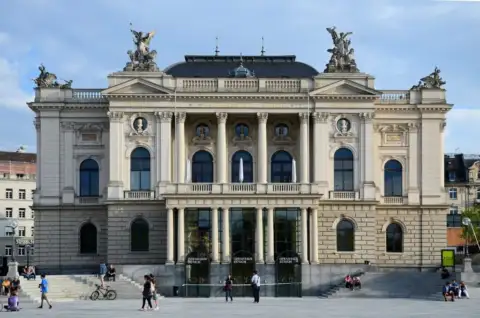
| Second evening | Bellevue and Opera House area | A distinct lakefront setting |

Make the station work for you
Zurich Hauptbahnhof, usually abbreviated Zürich HB, is a large transport complex. Your first task is to leave it in the right direction, not to squeeze in market shopping while still carrying a suitcase. Save the hotel’s address and ask which station exit or tram stop is most convenient. Platforms, underground passages, shops, and the main hall can create a confusing first impression. Give yourself permission to stop at an information point instead of following the first crowd toward daylight.
If you arrive before check-in, ask the hotel about luggage storage. Museum cloakrooms are not a substitute for storing a full travel case. A small day bag keeps your station visit enjoyable and lets you handle tickets or a hot drink without balancing several bags. On departure day, reverse that logic: leave shopping time before retrieving your luggage, then allow enough time to find your platform without pushing through the market at the last minute.
When booking an international or domestic rail journey, read the conditions attached to your chosen ticket. A cheaper fare may restrict the train, change options, or refund rights. Compare a direct train against a faster itinerary with changes, especially if you need lifts or help boarding. Travelers requiring assistance should use the rail operator’s current process and confirm it for the actual services. A platform change can matter more to comfort than saving a few minutes on paper.
Choose a hotel around your preferred evening
The station area is a useful base if you arrive late, leave early, or value a straightforward luggage journey. A room near Zürich HB also makes the National Museum a convenient indoor option. Check the building entrance and room access, since a location near a major station does not guarantee a lift or step-free arrival. Ask about noise if the property overlooks a busy street, and compare the easiest walking route with the shortest one.
The Old Town is atmospheric, but historic accommodation can involve stairs, narrow lifts, and cobbled approaches. Niederdorf appeals if you want restaurants and festive lanes close by. A lakefront or Bellevue-area stay can reduce the return journey after the Opera House market, although it puts you farther from the main-station cluster. Decide which inconvenience matters least: a tram with luggage, a tram after dinner, or a longer walk through old streets.
Do not buy a visitor pass simply because you have arrived in Switzerland. Start with your planned journeys and paid attractions, then compare the applicable tickets or passes. The local network uses fare zones and validity periods. An airport transfer may require different coverage from journeys only in the center. Keep a screenshot or offline copy of your valid ticket, and make sure each traveler understands which document is the ticket rather than the payment receipt.
Using Zurich’s public transport carefully
ZVV’s step-free tram guidance directs passengers to check the online timetable or app for their connection. Modern vehicles are only one part of an accessible journey; the stop and the specific boarding arrangement also matter. Look at your outbound and return stops before setting out. When tired, it is easy to board in the wrong direction or leave at a stop that adds an awkward walk.
A tram ride can turn two separate walks into a comfortable evening, but allow time for boarding among other passengers. Keep shopping bags compact and out of doorways. If you are unfamiliar with the network, save the final destination and a nearby landmark rather than relying on a line number you remembered from a previous year. Temporary works can change stops and routes. Use current directions when you leave the hotel, especially near the main station.
Visitors who have difficulty with crowds or visual navigation may prefer a companion for the busiest evening session. Agree on a meeting place outside the main flow and keep the hotel address available in an accessible format. A phone battery drains more quickly when you are repeatedly checking maps in cold weather. Carrying a small power bank and learning the route back before dark can remove a surprising amount of stress from a festive city break.
Day one: a gentle station-and-Old-Town introduction
Begin with Polarzauber after dropping your luggage. It gives you a recognizable meeting place and an indoor starting point, though a covered market is still a busy public space rather than a quiet retreat. Take a first look at the stalls and decorations, then leave yourself a reason to return. You do not need to purchase souvenirs before you have seen the outdoor markets or worked out how much luggage space remains.
The Polarzauber organizer’s site provides its own opening details. Check them if you plan to visit close to opening or closing, because retail and food operations can have different hours. If the hall feels crowded, turn this into a short orientation stop and spend more time elsewhere. The most famous display is not necessarily the setting where you will most enjoy lingering.
For the first outdoor session, choose Niederdorf or another small central cluster that fits your hotel location. Walk along one side of the river rather than zigzagging between every illuminated street. Have dinner at a sensible time, then decide whether you want another short browse. Arrival-day energy is difficult to predict, especially after a flight connection or a long train ride. A successful first evening can be quite short.
Day two morning: look at Zurich before the lights
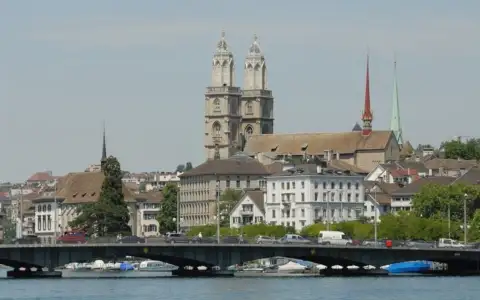
Start with the Limmat and the Old Town in daylight. You will see more architectural detail, understand how the two banks connect, and have a better sense of which lanes you want to revisit after dark. Choose a route with one river crossing rather than repeatedly going back and forth. The riverfront offers useful orientation, while detours into the lanes add intimacy. Neither requires a compulsory tower climb.
Münsterhof makes a natural central stop if its market is operating during your visit. Pair a look around the square with a nearby indoor coffee break. If you wish to enter a church or museum, check its current arrangements independently. Religious services, special exhibitions, and private events may affect visiting. Treat the outside setting as one experience and a paid or timed interior as another, rather than assuming every landmark can be entered spontaneously.
Lindenhof and other viewpoints can appeal to photographers, but a winter itinerary should account for the approach. If a climb or slippery surface does not suit you, stay by the river and enjoy the view across to the opposite bank. Your photographs do not need to match a standard postcard angle. Preserving comfort in the morning leaves more options for the lakefront later, which is particularly important if the trip is meant to feel like a holiday rather than a walking challenge.

Reserve a real afternoon indoors
The National Museum beside the main station is a useful option for travelers interested in Swiss history and culture. Consult its visitor-information page for the day you plan to go; it ordinarily lists Monday as closed, and holiday arrangements deserve an extra check. Its location can be particularly convenient before returning to a station-area hotel. Select the exhibitions that interest you instead of treating a museum visit as an obligation to inspect every room.
The museum publishes separate accessibility information and can help with specific requirements. Contact it in advance if you need assistance or want to know whether a particular exhibition suits you. A wheelchair-accessible building and an accessible exhibition experience are related but different questions. Also check bag-storage limits before arriving with purchases. Keeping your museum session separate from luggage collection makes the afternoon much easier.
Alternatively, use the afternoon for lunch, a café, or a quiet hotel break. Zurich’s prices can encourage visitors to replace meals with scattered snacks, but a warm seated lunch often contributes more to comfort than another small attraction. Make an intentional choice about what matters to you. If you would rather pay for one relaxed restaurant meal than three different admissions, build the day around that preference and enjoy the market atmosphere freely.
Second evening: Bellevue and the lakefront
Use a tram or a direct walk, according to your base and energy, to reach the Bellevue and Opera House area. The open lakefront setting feels different from the main station and Old Town lanes. Give this area a complete session rather than arriving only when you are already tired. Look around before choosing food, and identify a place where you can pause outside the busiest stream of visitors.
As with any outdoor market, the food stalls do not guarantee comfortable seated dining. If a table matters, book a restaurant or confirm the arrangements for a particular food venue. A warm cup can be pleasant while browsing, but juggling a drink, phone, and bags makes movement through a crowd awkward. Finish one activity before starting another. When traveling together, taking turns to order is often simpler than everyone carrying everything at once.
Walk a short section beside the lake only if the weather and footing are good. Darkness, wind, and damp air can make a seemingly modest extension feel much colder than the market itself. A lake view from a convenient spot is enough; there is no need to follow the promenade for a fixed distance. Save the return route before setting off, and leave while you still have enough energy to negotiate the final hotel approach comfortably.
Spending, shopping, and seasonal expectations
Set a rough spending plan before the first evening: meals, local transport, admissions, and a gift allowance. Switzerland uses Swiss francs, and a cross-border rail ticket does not change the currency you will spend locally. When a card terminal offers a currency choice, read the terms on screen and understand who is performing the conversion. Carry a small payment backup, but avoid displaying cash or leaving a wallet open while deciding what to buy.
For gifts, consider weight, fragility, food-import rules at your final destination, and what will fit inside your existing case. A beautiful glass decoration is less appealing if you must carry it unprotected on several trains. Ask the seller about packaging before paying. If you have a strict food allergy, use clear written information and ask about ingredients and cross-contact. A festive sign or a familiar-looking dish is not enough to establish that it meets your needs.
Do not expect snow in the city or assume that a photograph from a mountain attraction describes central Zurich. This itinerary works through markets, architecture, museums, and the lake. If the forecast is poor, shorten outdoor circuits and increase indoor time. A separate mountain outing requires its own weather check and transport plan; it should not be added merely because a tourism page shows a white winter landscape.

A useful departure-morning routine
Leave the final morning mostly uncommitted. Have breakfast, check the train platform and any disruption notices, and retrieve your luggage with time to spare. If everything is running smoothly, return briefly to a favorite nearby street or buy a last snack for the journey. Avoid a timed admission before a train you cannot miss. A calm departure preserves the good feeling of the weekend and gives you room to deal with an unfamiliar station, a lift detour, or a longer hotel checkout.
Frequently asked questions
Is Zurich a good first Christmas-market trip by train?
It can be, because the main station is a major transport hub and a market location. The most important preparation is choosing a convenient hotel and understanding the station exit and local connection. Give yourself time to settle in before browsing with valuables or luggage.
How many markets should I plan per day?
Two deliberate market sessions are enough for many visitors, particularly if you also want sightseeing and a proper meal. You may pass smaller markets naturally, but do not turn them into a quota. Enjoying two contrasting settings slowly is better than remembering only the walks between six.
Can I visit after December 23?
Some locations have a later final date than others. The 2026 overview lists the main-station market and Münsterhof through December 24, while several outdoor markets finish December 23. Verify the exact final-day hours and plan around the individual market, not a general city calendar.
Do I need to book every attraction?
No. Keep ordinary market browsing flexible and book only the experiences that actually require it or where a reservation improves comfort. Accommodation, long-distance travel, special meals, and specific performances deserve more attention than filling every hour with advance commitments.
Is the whole Old Town flat?
No. Riverfront stretches and historic lanes have different terrain, and viewpoints may require climbs. Inspect your chosen route and use transit where it helps. If step-free access is essential, check specific streets, stops, and entrances rather than relying on a broad description of central Zurich.
What if it rains all weekend?
Use short outdoor sessions, the main-station market, a museum, and warm seated breaks. Waterproof shoes and a practical outer layer help more than forcing the original walking distance. You can still enjoy the city, but it is sensible to replace a long lakeside walk with an indoor afternoon.
For a broader Swiss itinerary, browse the Switzerland hidden-gems guide after choosing your Zurich dates. Treat further destinations as another part of the journey rather than squeezing them between the two market evenings described here.
Conclusion
Zurich’s best Christmas-market itinerary follows the shape of the city: start at the station, explore the river and Old Town in manageable sections, then give the lakefront its own evening. Use transport deliberately, check individual 2026 market calendars, and protect time for warmth and rest. Two nights can provide a rich first visit when you choose a few contrasting places and let the remaining possibilities stay optional.
Sources and further reading
- Zurich Tourism: Christmas markets and 2026 calendar
- Polarzauber: Zurich main-station Christmas market
- ZVV: step-free tram access
- National Museum Zurich: visitor information
- National Museum Zurich: accessibility and inclusion
Sources reviewed: 2026-10-28.
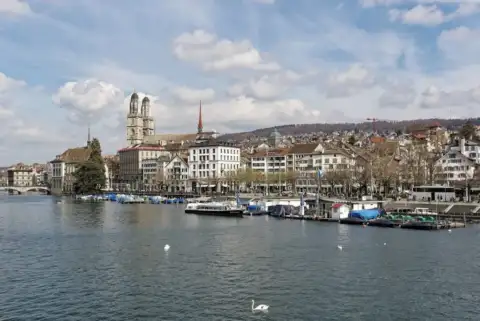
Featured photo: Grossmünster and the Limmat — archival photograph — Jakub Hałun · Original photo · CC BY. Resized and JPEG-compressed; depicts the destination on the original photography date, not a promise of current seasonal conditions.
