
Introduction
Basel makes an appealing Christmas-market weekend when you want a Swiss city break with short journeys, substantial museums, and two principal market squares that can be visited separately. The Rhine gives the city an open, spacious counterpoint to its old lanes, while trams let you save your legs for browsing. The strongest plan is a two-night stay with one market session each evening, a daylight Old Town walk, and an indoor afternoon. Trying to combine Basel, Colmar, Strasbourg, and a mountain excursion in one weekend would give you considerably more transport than time among the stalls.
This guide proposes a comfortable itinerary for first-time and older travelers arriving without a car. It distinguishes a manageable route from a promise of step-free access: Basel’s historic center includes gradients, uneven surfaces, and busy tram crossings. Adapt the route to your needs and ask individual venues about their entrances. The official tourism page lists the main 2026 Christmas market from November 26 through December 23, on Barfüsserplatz and Münsterplatz. Check that page again before booking because the two squares have different closing arrangements on the final day.
The quick answer: how long should you stay?
Choose two nights if the markets are the main reason for your visit. Arrive on the first afternoon, spend the middle day exploring slowly, and leave after a relaxed final morning. A third night makes sense if you want a major museum visit without shortening the market time, or if your arrival journey is tiring. A single overnight is possible, but a delayed train can leave you with only one brief evening. Basel rewards leaving some room in the schedule rather than treating every hour as a reservation.
For dates, choose a stay comfortably inside the market season. A hotel reservation on December 24 does not create an extra Christmas-market day, and the opening weekend can be busier than a midweek visit. An early-December weekday stay is a planning preference rather than a guarantee of quiet. Events, school groups, and weather can change the atmosphere. Keep one optional activity in reserve so that a crowded square leads to a pleasant change of plan instead of a frustrating wait.
| Part of the weekend | Main plan | Comfort adjustment |
|---|---|---|
| Arrival afternoon | Hotel, tram orientation, Barfüsserplatz | Leave luggage before sightseeing |
| Middle morning | Old Town and Münster surroundings | Use a shorter route with a seated break |
| Middle afternoon | One museum or long indoor lunch | Return to the hotel if you need to warm up |
| Second evening | Münsterplatz market | Leave before fatigue makes the descent difficult |
| Departure morning | Rhine view or final café stop | Choose the station early in poor weather |

Arriving in Basel without an awkward last mile
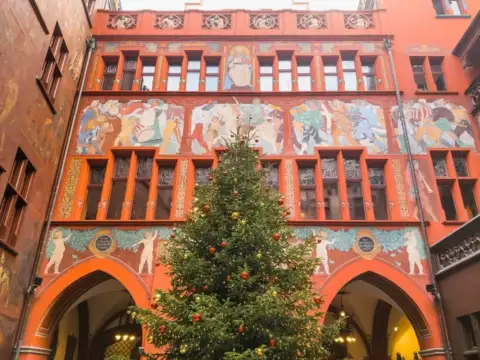
Check the station name on every ticket. Basel SBB and Basel Badischer Bahnhof are different stations, and a hotel described as being near the station may mean either one. Your best arrival is not automatically the train with the shortest advertised journey. A direct train to a useful station can be easier than a marginally faster connection with a narrow transfer. Open the journey details in the rail operator’s planner, look at the number of changes, and consider whether you can handle your luggage independently.
Before departure, save the hotel’s street address and the name of its nearest public-transport stop. Ask which entrance to use if you need a lift or want to avoid stairs. In a historic building, the front door and the easiest entrance may differ. A quick message about the final approach is more useful than assuming that a central postcode means a level walk. If the hotel is on a tram route, confirm whether reaching its stop involves crossing tracks or navigating a large junction.
Check your rail operator’s accessible-travel guidance when a connection requires boarding help or information about platform access. Assistance arrangements are journey-specific; do not assume that being able to board one train means that every connecting service has the same facilities. Keep your itinerary and any confirmed meeting points together. On arrival, take the time to find your onward stop before committing to a sightseeing detour with bags.
Where to stay for a Christmas-market weekend
A hotel near Basel SBB is practical for a late arrival or early departure. It can also work well for travelers who prefer a clear transport hub over staying in a small Old Town lane. The compromise is that your evening may start with a tram journey rather than stepping straight into a market. That is a reasonable trade when it gives you a lift, an easy entrance, and dependable luggage storage. Choose the actual hotel facilities before choosing a picturesque address.
Accommodation around the central shopping streets and Barfüsserplatz puts you closer to the main festive area. Ask about street noise and which side the room faces; a lively location feels different when you are trying to sleep. Around Münsterplatz, consider the approach carefully because the cathedral area sits above the river. A hotel near a market is useful only if the walk suits you. Look at a street-level map and ask the property to explain any slopes.
Basel Tourism describes the BaselCard as a benefit for eligible overnight visitors, including public transport within its stated area and conditions. Ask your accommodation how you receive it and what proves your entitlement on the initial journey to the hotel. Do not extend that benefit mentally to every cross-border train or to all of Switzerland. If your stay includes an excursion outside Basel, check the exact ticket coverage separately. The TNW tourist-information page explains other local ticket options; use its current conditions when comparing tickets for a stay outside the BaselCard arrangements.
Day one: start with Barfüsserplatz
After checking in, have a proper drink of water and a small meal before your first market session. It is tempting to begin with a cup of something warm and keep browsing until dinner, but that can turn into an uncomfortable stretch of standing. A seated meal also lets you sort out gloves, payment cards, and your return route without juggling them in a crowd. Keep the first evening deliberately simple: one square, one short connecting walk, and a clear way back.
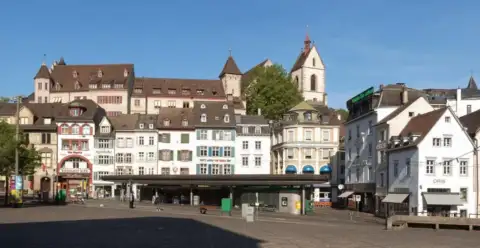
At Barfüsserplatz, make an initial circuit without buying everything immediately. Notice where the crowd narrows, identify a quieter place to pause, and decide which stalls you actually want to revisit. If you travel with someone, agree on a visible meeting point before separating. A phone is helpful, but hearing it over conversations and music may be difficult. A familiar landmark is a better fallback than a vague promise to meet beside a food stall that looks like several others.
Browse gifts before eating anything that requires both hands. A hot drink, a paper food tray, and shopping bags become a small balancing act when people are moving around you. Bring a compact bag that closes securely and leaves a hand free. When ordering, check whether a cup deposit applies and where it is returned. The exact arrangements are stall-specific, so ask rather than assuming the system works like another market you visited in Germany or Austria.
End while the evening still feels enjoyable. You do not need to stay until closing to justify the trip. A short visit on the arrival day helps you learn the layout, leaving the next day for more selective browsing. If the square feels too crowded, step away to a café or return to the hotel. Your second evening gives you another opportunity, and the weekend works best when it has that flexibility.
Day two morning: the Old Town in daylight
Use the morning to see the streets between the market areas when you can read the buildings and watch your footing. Begin with a modest loop rather than a long list of landmarks. The Rathaus surroundings, central lanes, and the Münster area offer different textures within the city center. Choose an indoor coffee stop before leaving the hotel so that it becomes part of the route, not an emergency search after you have become cold.
At Münsterplatz, separate looking at the cathedral exterior from committing to a tower climb or a longer interior visit. Opening arrangements, services, and access can vary. If stairs are difficult, the square and exterior still form a worthwhile stop. The aim of the morning is to understand the setting you will return to after dark. Take a few daylight photographs, note the easiest approach, and identify the route you want to use when the lanes are busier.
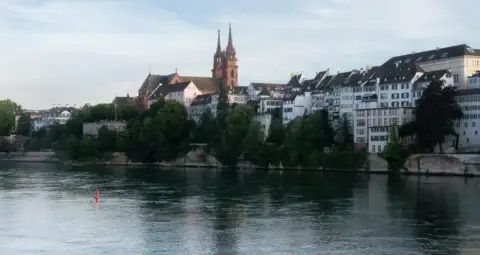
A view over the Rhine can be a satisfying finish to the walk. Keep a safe distance from edges and steps, especially if the surface is wet. Do not turn a riverbank detour into a compulsory part of the itinerary. If reaching the lower level means a descent you will struggle to reverse, enjoy the river from a higher viewpoint instead. A good city walk should end with energy left for the rest of the day.

Make the afternoon an indoor anchor
Choose one museum that matches your interests, then consult its own visitor information for current exhibitions, tickets, cloakrooms, and accessible routes. Basel has enough cultural choice that you do not need to visit several institutions to feel that you have used the afternoon well. Art lovers can make the museum the main event; travelers who prefer a lighter schedule can substitute a leisurely lunch and a short browse in covered shops. Either approach gives the evening a better chance of being comfortable.
Do not confuse being indoors with resting. Large galleries can involve long periods on your feet, and a museum route may be more tiring than a market circuit. Look for seating, pick the collections you care about, and leave before concentration drops. If the venue is outside the center, count the return tram journey as part of the activity. The right afternoon is the one that leaves you warm, fed, and able to enjoy the second square.
Allow a hotel break if your room is reasonably convenient. Dry socks, a charged phone, and twenty minutes sitting down can improve the evening more than another attraction. This is particularly valuable for visitors arriving from an overnight flight or a long rail journey. Treat the break as an intentional part of the plan. A winter weekend has fewer daylight hours, but it does not require filling the dark hours continuously.
Second evening: give Münsterplatz its own visit
Return to Münsterplatz for a separate market session instead of racing through both principal squares on the first night. This gives each setting its own attention and reduces the temptation to buy things simply because you might not return. Start with the stalls you noticed during the morning, then leave room for an unplanned discovery. A small purchase with a clear connection to the visit is often more satisfying than carrying several fragile souvenirs through the rest of your trip.
Decide on dinner before you become hungry. If you want a restaurant, reserve where appropriate and check the actual walking route from the square. If market food is your dinner, find somewhere to sit afterward and warm up. Standing outside for two separate meals can be surprisingly tiring. Alcohol can also make it harder to judge the cold or negotiate uneven streets, so keep the journey back in mind when ordering seasonal drinks.
The official Christmas-market page is the reference for current dates and closing arrangements. Other festive events may run for different periods; they should be treated as separate outings rather than evidence that the principal markets continue longer. If your visit falls near the end of the season, verify the specific square and day you intend to use. A broad holiday-events banner is not a substitute for a market’s own calendar.
Mobility, weather, and realistic expectations
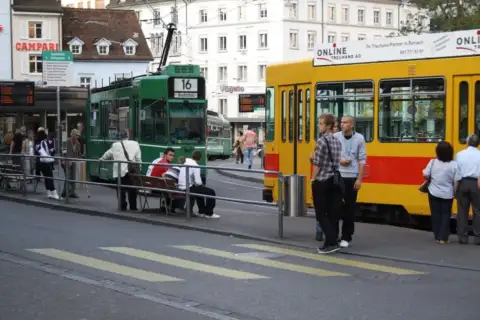
Use public transport to shorten connections rather than waiting until you are exhausted. The BVB accessibility information provides a starting point for checking vehicles and stops. A low-floor tram does not eliminate every platform gap, gradient, or temporary diversion. If you have a wheelchair, walking aid, visual impairment, or a condition that makes crowds difficult, plan the complete chain from hotel door to destination entrance and back.
Warm layers, shoes with dependable grip, and gloves you can use with a phone are more valuable than formal evening clothes for this itinerary. Carry only what you can manage while wearing those gloves. Put essential medication and travel details somewhere easy to reach, rather than at the bottom of a shopping bag. Rain is a reason to shorten outdoor visits, not a reason to abandon the whole weekend; the museum-and-café structure gives you useful alternatives.
Basel’s position near France and Germany makes extra destinations tempting. For this particular weekend, resist adding an international day trip unless you have a third full day and genuinely want the travel. A train connection is only one part of an excursion. Getting to the station, waiting, finding the other market, and returning all draw from the same energy budget. Staying in Basel can be the more rewarding choice even when a neighboring city looks close on the map.

A related video for broader inspiration
The accompanying European Christmas-markets video includes Basel as one stop in a wider seasonal overview. Use it to compare atmosphere and gather ideas, then use the local official links here for your own travel dates and practical arrangements. Filmed decorations, crowd levels, weather, and stall layouts belong to their recording dates. They are inspiration for the visit, not confirmation of what will be operating on your particular evening.
Frequently asked questions
Is Basel manageable without a car?
Yes, a central stay with carefully chosen tram journeys supports this itinerary well. The main decision is the last mile from your arrival station to the hotel. Check your station, stop, luggage arrangements, and the walking approach before leaving home. You do not need a rental car for the proposed two-night weekend.
Can I see both markets in one evening?
You can, but separating them gives you more freedom to browse and take breaks. If you have just one evening, choose a short visit to each and avoid adding a long river walk or museum beforehand. Crowds and walking comfort should determine when you finish.
Will there be snow?
Snow is not something to build into a Basel booking. The market experience depends on lights, stalls, and the Old Town setting rather than a snowy scene. Prepare for cold or wet weather and make indoor alternatives part of the itinerary from the start.
Should I stay in France or Germany to save money?
Compare the full cost and inconvenience rather than the room rate alone. Cross-border transport, evening return options, luggage, and ticket coverage may change the calculation. For a short first visit, a convenient Basel hotel can make the weekend simpler even if its headline rate is higher.
Is this a fully step-free route?
No universal step-free claim is made. Historic streets, square approaches, individual buildings, and transit stops require separate checks. Use the operator’s access information and ask the hotel or venue about your specific needs. Substitute a tram or taxi connection when an approach does not suit you.
What should I book first?
Confirm the market dates, then choose accommodation with the facilities you need and sensible cancellation terms. Next arrange your rail journey and any boarding assistance. Restaurant or museum bookings can follow. Keeping the outdoor market sessions flexible helps the plan cope with weather and crowds.
If Basel forms one stop in a longer trip, the Switzerland hidden-gems guide can help you explore other destinations. Keep those ideas separate from this short market weekend; adding another base works better when you also add travel days.
Conclusion
A satisfying Basel Christmas-market weekend combines two unhurried evenings with a city that remains interesting in daylight and indoors. Stay where the journey is easy, give Barfüsserplatz and Münsterplatz separate attention, and use trams to preserve energy. A museum, a proper lunch, and a warm room are part of the experience. With those pieces in place, you can enjoy the seasonal atmosphere without turning a compact Swiss city into a hurried checklist.
Sources and further reading
- Basel Tourism: Christmas market dates and locations
- Basel Tourism: BaselCard benefits and conditions
- Basler Verkehrs-Betriebe: passengers with disabilities
- TNW transport network: tourist tickets and hotel guest information
Sources reviewed: 2026-10-28.
Featured photo: Barfüsserplatz in daylight — archival photograph — Michielverbeek · Original photo · CC BY-SA. Resized and JPEG-compressed; depicts the destination on the original photography date, not a promise of current seasonal conditions.
