
Introduction
Switzerland and Austria can both support a rewarding winter holiday without a day on skis, but they do not answer the same travel question in exactly the same way. A Swiss trip might be built around a lakeside base and carefully selected rail outings. An Austrian trip might place more weight on a city stay, museums, music and an optional mountain visit. The useful comparison begins with those choices rather than a contest to name one country the universal winner.
This guide compares two practical approaches for first-time and older travelers who prefer to avoid driving. Lucerne serves as a Swiss planning example, while Vienna and Salzburg illustrate different Austrian possibilities. These are examples, not claims that the three places represent every experience in their countries. The accompanying channel video provides the broader comparison; this article narrows the decision to winter pacing, transport, weather alternatives and bookings.
Quick answer: which country suits a nonskiing winter trip?
Choose Switzerland when a particular lake, rail journey or mountain landscape is the central reason for traveling and you are prepared to budget for the actual excursions you select. Consider Austria when you want a city or cultural base with winter scenery as an addition rather than a daily requirement. In either country, compare the complete hotel-to-activity journey. A famous transport network does not make every platform, street or cableway suitable for every visitor.
Do not choose solely from the promise of snow. Snow at a mountain attraction, weather in a lakeside city and conditions on the pavement outside your hotel are separate questions. The better destination is the one that still offers a holiday you want when a scenic excursion is changed or canceled. Make a clear-weather plan and a satisfying alternative before deciding which country represents better value for you.
| Decision | Practical answer |
|---|---|
| Main reason to choose Switzerland | A particular lake, rail journey or mountain landscape that merits its full cost and travel arrangements. |
| Main reason to consider Austria | Specific city and cultural interests, with winter scenery as an optional addition. |
| Swiss planning example | One Lucerne base with separately checked seasonal lake and rail outings. |
| Austrian planning example | A Vienna base, or Vienna and Salzburg with a deliberate transfer day. |
| Budget comparison | Match room standards, travel class, meals, excursions and cancellation terms before converting currencies. |
| Weather fallback | Choose a trip you would still enjoy if the scenic outing changed or could not run. |
Compare the holiday structure before comparing prices
A seven-night trip with one base is a different product from a seven-night circuit with four hotels. Write a simple version of each proposed holiday before gathering prices. Include arrival, the number of hotel changes, the outings that matter most and the departure journey. Without that structure, you may compare an economical Austrian city break with a Swiss itinerary containing several premium excursions and mistake the difference for a rule about entire countries.
A useful comparison also uses the same assumptions. Match room standard, meal preferences, class of travel and cancellation flexibility. Include reservations and supplements where needed. Then separate essential experiences from optional ones. If the mountain day is the reason for choosing Switzerland, count it honestly; if a concert is central to Austria, include that too. A fair comparison should reflect the holiday you will actually book.
Use Lucerne as a Swiss example, not an entire country
Lucerne’s tourism organization presents winter experiences ranging from city activities and food to excursions around the lake and surrounding region. That makes it a useful starting point for travelers who want a base with more than one possible kind of day. Read the current tourism and operator pages for the particular outing you select. A destination page offers ideas; it does not confirm that every service runs throughout your stay.
A lakeside base can let you separate an urban day from a scenic journey. You might devote one day to the city and another to a boat or rail outing that has been checked for the season. Choose the hotel with the arrival station, intended pier or local transport route in mind. The best address depends on which journeys you expect to repeat, not just on whether the room has a view.
Understand Swiss pass coverage before buying
SBB describes the Swiss Travel Pass as a product for visitors from abroad covering travel on its stated rail, bus, boat and local networks, with additional benefits under the published conditions. Its guidance distinguishes included journeys from reservations, supplements and mountain-excursion arrangements. Read the current area of validity for your exact plan. Do not assume that owning a national pass means every scenic attraction has no further cost.
Compare pass options against the journeys you intend to take rather than against an imagined full schedule. A slower stay with several local days can produce a different result from a trip with daily long-distance journeys. Check consecutive-day and flexible-day products carefully, and verify how any discount works on the day of use. The most convenient product can still be a reasonable choice without being a guaranteed financial saving.
Keep the required travel documents available during the journey. Read the operator’s current rules for identification, activation and showing the pass, particularly when relying on a phone. Store confirmations securely and decide how you will access them if the battery or data connection is unavailable. A purchase confirmation and a valid travel document may serve different functions; check what you must actually present.

## Research the specific winter boat or rail excursion
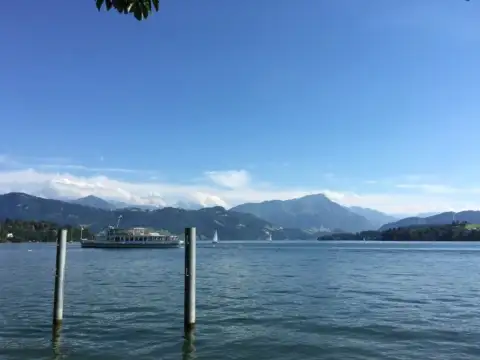
A photograph of a lake boat does not establish the winter timetable. Select the intended operator, departure point, route and return before buying an outing. Confirm whether the ticket covers transport only or includes a particular dining or leisure experience. Ask about boarding, seating and toilets if those affect your comfort. A pleasant short cruise and a long transfer by boat should not be assumed to offer the same practical arrangements.
Scenic rail travel also deserves an ordinary transport checklist. Compare transfers, reservation requirements, the station-to-hotel leg and how much of the day you want to spend in transit. A train’s famous name does not answer every question about your particular departure. Choose the experience because its route and duration suit you, not merely because it appears on a list of journeys every visitor is supposed to complete.
Treat mountain access as a separate booking decision
A winter mountain excursion can involve several operators, boarding arrangements and changes in conditions. Research the complete sequence from your base to the attraction and back. Confirm the seasonal operating schedule, any planned closures and the information the operator provides for passengers with access needs. Do not infer suitability from a general statement that the area has good public transport.
Keep the mountain day movable when the booking conditions permit. Check the operator’s weather information and cancellation arrangements rather than relying only on a city forecast. If the outing is not suitable on your available day, a city or lake plan should still feel worthwhile. Avoid adding a demanding replacement simply to preserve the number of attractions. The purpose of a fallback is to maintain an enjoyable holiday, not to match an original photograph.
Choose Vienna for the interests you want to pursue there
Vienna is useful as an Austrian example when museums, music, architecture or café time are central to the trip. Select a small number of actual venues before deciding how long to stay. Each has its own tickets, opening information and access arrangements. A city with many indoor possibilities can support flexibility, but that does not mean every attraction is interchangeable or can be entered whenever you arrive.
A city-focused day can have a clear rhythm: one substantial visit, a seated meal and a shorter outing if you want it. Choose the hotel by the transport routes that connect those interests. Do not assume that being close to a famous square removes all walking. Check the entrance-to-stop leg and the return after your evening activity, especially if you prefer to finish before becoming tired.


## Consider Salzburg as a different Austrian base
Salzburg can be considered when its specific historic and cultural interests appeal more than the larger-city plan. Research the attractions you want there and compare a dedicated stay with a day trip from another base. A country comparison should not push you into combining every well-known Austrian city. Two carefully chosen full days can be more rewarding than several brief arrivals with luggage.
If you want both Vienna and Salzburg, give the transfer a proper place in the itinerary. Check the actual railway service, stations, reservations and hotel connections. A railway map shows that places are connected, not how much effort you will want to spend reaching your room after arrival. The extra base earns its place only if it adds experiences you value enough to justify packing and moving again.
Arrange Austrian rail assistance before relying on it
ÖBB’s Mobility Service explains the information needed to coordinate assistance, including the route, date, particular limitations and meeting arrangements. Its published notice periods differ between some domestic journeys, selected station pairs and international travel. Use the current instructions for your actual connection instead of assuming one deadline applies everywhere. Contact the service early enough to resolve questions before other bookings become difficult to change.
An assistance request should describe the help you need. Include relevant equipment details, whether you are traveling with someone, and the parts of the journey that concern you. Confirm the meeting place and keep a contact available offline. If the train or route changes, check what happens to the arrangement. Assistance at a station does not automatically establish the accessibility of a hotel or attraction after you leave the railway.
Use accommodation questions that work in either country
The booked room matters more than a broad label. Ask whether there are entrance steps, whether the elevator reaches the room floor and whether additional stairs separate reception, breakfast or other facilities. Request measurements or photographs relevant to your needs. If a winter walk from the stop is a concern, ask about a suitable drop-off point and what remains between it and the door.
A convenient hotel can reduce the need to complete the whole day in one continuous outing. That may allow a short morning visit, a rest and a separate evening activity. Compare the practical value of that pattern when considering a room farther away. A lower nightly rate can be attractive, but include the journeys you would repeat and the effort of making them in your decision.
Compare food, breaks and the pace of the day
Meals can distinguish the experiences you want without turning the comparison into a national stereotype. In either country, select restaurants or cafés that suit your interests, dietary requirements and location. Check opening and reservation information directly. A traditional dish’s name does not establish the ingredients of every serving, and a famous café does not automatically guarantee the seating or entrance arrangement you need.
Build a meal break into the day before choosing another excursion. It is easier to shorten an outing when lunch or dinner already has a useful place in the plan. Leave a little room for discovering a place you like, but avoid making every meal a distant destination. The holiday’s everyday rhythm can matter as much as its headline attraction, particularly when unfamiliar surroundings make ordinary decisions take longer.

## Two illustrative seven-night plans
A Swiss example could use Lucerne as a single base for seven nights, with arrival and departure kept light. Give the city and lake interests separate days, choose one researched rail outing and leave another day movable for suitable conditions. The remaining time can belong to local interests or rest. This is a structure for research, not a promise that a particular route operates on every date.
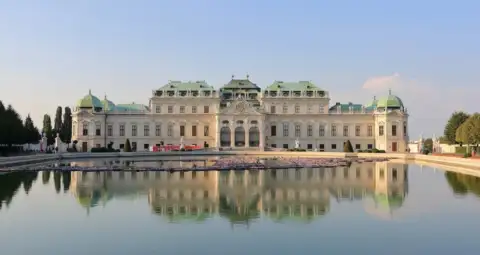
An Austrian example could use four nights in Vienna and three in Salzburg, if both cities hold specific appeal. Allow the transfer day to be a transfer day. Give each base at least one full day for its own interests before adding an excursion. Travelers who dislike changing hotels could instead stay in one city throughout. The more complicated example is not inherently the better holiday.
Compare these examples only after adapting them to your priorities. If you would add multiple premium Swiss outings or several Austrian performances, put those changes into the budget. If you would spend most days locally, remove unnecessary transport assumptions. A fair decision comes from the plans you would willingly take, not from an argument designed to make one country win.
Budget in the currencies you will actually spend
Switzerland uses Swiss francs and Austria uses euros. Put each quoted cost in its original currency before converting the totals using the same current rate and any relevant payment fees. Avoid mentally treating the numbers as equivalent. A small exchange-rate change can affect the final comparison, but the larger decision is often the number and type of excursions you have chosen.
Include accommodation, main transport, local journeys, meals, selected admissions and reservations. Keep shopping and optional extras separate. Compare cancellation flexibility and room arrangements rather than price alone. This guide gives no universal daily total because a single-base city holiday and a multi-stop scenic itinerary are different products. Obtain current quotations for your dates and choose the plan whose cost and effort you understand.
Questions travelers ask
Is Switzerland only worthwhile if you ski?
No. Official regional information includes city, lake, food and transport experiences as well as winter sports. Select the actual activities that interest you and check their seasonal operation. A nonskiing holiday should be designed around those interests, not treated as a ski itinerary with the skiing removed.
Is Austria always the cheaper choice?
No universal rule can price your particular holiday. Compare the same room standard, travel style, meals and chosen activities using current quotations. A plan with fewer transfers or premium outings may cost less in either country. Convenience and cancellation conditions also deserve a place in the decision.
Does the Swiss Travel Pass include every mountain trip?
Do not assume that it does. SBB publishes the area of validity, included services, discounts and conditions. Check the exact excursion, reservation and supplement before buying. A pass can be useful without removing every additional charge from a winter itinerary.
Should you combine Switzerland and Austria in one winter week?
Only if the journey between your chosen bases supports the holiday you want. Cross-border travel adds another transfer and can involve separate assistance arrangements. For a first week, one country can provide plenty of variety. Combining them should solve a specific travel wish, not simply make the itinerary appear more ambitious.
Conclusion
The better nonskiing winter destination is the one that matches your preferred days. Switzerland may suit a carefully budgeted lake-and-rail plan, while Austria may suit the city and cultural interests you select there. Both choices become stronger when you research the specific journeys and keep an appealing alternative for a changed scenic day.
Use the accompanying Switzerland versus Austria video for the wider overview, then compare two short written itineraries with actual hotels and activities. Confirm arrival routes and assistance needs before paying for optional extras. Our existing Switzerland guide and Austria–Vienna guide can help identify interests for that research. Choose the plan that you would still enjoy without perfect snow, a full day of sunshine or another destination added to the list.
Sources and further reading
- SBB: Swiss Travel Pass coverage and conditions
- ÖBB: mobility assistance and advance requests
- Lucerne Tourism: winter experiences
- Vienna Tourist Board: Christmas and winter interests
Sources reviewed: 2026-10-19.
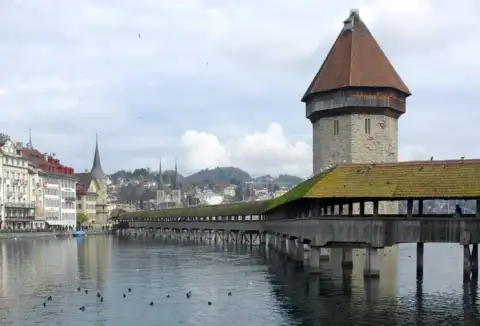
Featured photo: Lucerne Chapel Bridge; a previous daylight photograph, not a winter snow forecast — Godot13 · Original photo · CC BY-SA. Resized by Wikimedia Commons for this download; no other edits.

Pingback: Lucerne Winter Weekend Without Skiing: A Relaxed…