

Introduction
Lucerne is a rewarding winter weekend for travelers who want Swiss scenery without making skiing the purpose of the trip. The railway station, lake, bridges, and Old Town form a compact introduction, while a museum or a carefully chosen boat outing can provide a substantial second day. You do not need to go up a mountain to enjoy the setting. In poor visibility, a relaxed city visit may be more satisfying than spending much of the weekend traveling toward a view hidden by cloud.
This itinerary proposes two nights and one full day, with flexible alternatives for a longer stay. It focuses on the city itself and treats snow, lake operations, and excursions as things to verify rather than assumptions. Lucerne’s historic streets are attractive but not uniformly smooth or level. Cold, damp conditions can make wooden bridges and stone surfaces demanding. Choose the portions that suit your mobility, plan seated breaks, and keep an easy route back to your accommodation.
The quick answer: what can you do without skiing?
Build the weekend around the Chapel Bridge and river, a short Old Town walk, a lake view, and either the Swiss Museum of Transport or an operating boat excursion. Add another indoor visit if you have a second full day. The principal planning mistake is to combine all of those with several mountain transfers and a distant village in the same short visit. You will enjoy Lucerne more if you decide which experience matters most and let the weather determine the optional parts.
Winter is not a single operating season for every attraction. Christmas events have specific dates, January and February have different daylight and holiday patterns, and some outdoor sites close their interiors. This guide works as a non-skiing city break rather than a Christmas-market calendar. If you want a particular festive event or concert, check it separately before booking. Do not assume that a market photographed in December will still be there during a January weekend.
| Time | Main suggestion | Alternative |
|---|---|---|
| Arrival afternoon | Lakefront orientation and Chapel Bridge surroundings | Short indoor coffee stop if weather is poor |
| First evening | Dinner close to the hotel | Brief illuminated river walk |
| Full-day morning | Old Town and river loop | Begin with a museum |
| Full-day afternoon | Transport museum or winter boat outing | Art museum and a long lunch |
| Departure morning | Favorite view near the station | Calm breakfast and early station arrival |
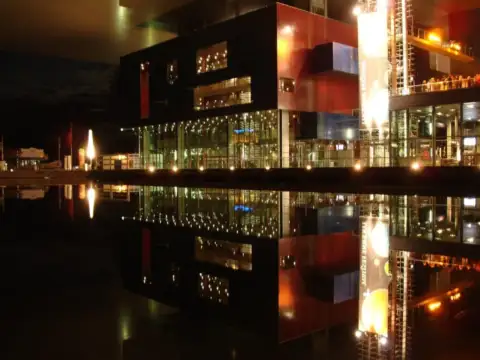

Arriving by train and choosing your base
Look for Luzern in rail planners; that is the German station name used locally. When comparing trains, consider the number of changes and the handling of luggage, not just the shortest journey. A direct arrival can be worth a slightly longer ride if it avoids rushing across an unfamiliar station. If you need boarding assistance or information about lifts and platforms, consult the rail operator’s current accessible-travel guidance and arrange the requirements for your actual connection.
Staying near the station is convenient for a two-night trip because it simplifies arrival, departure, and many lakeside activities. A central hotel on the Old Town side offers an atmospheric setting but may involve a bridge crossing and older streets with bags. Ask the property for its easiest entrance and whether there is a lift to the room category you are booking. A listed elevator can still leave a few steps at the entrance or between floors.
A lake-view room is a pleasure if it fits your budget, but room access and a good breakfast may matter more to this itinerary. Decide how much time you realistically plan to spend looking out of the window. If the forecast is unsettled, a comfortable room becomes a useful place to rest; if your plans are mainly outdoors, an easy location may be the better investment. Compare cancellation terms as well as the room photograph.
Day one: learn the lake-and-river layout
After leaving luggage at the hotel, begin near the station and the lake. The point of this short walk is orientation. Notice the piers, the route toward the Chapel Bridge, and where you could get a warm drink. If you are considering a boat outing on the following day, use this moment to locate the departure area and ask about the actual winter sailing you might take. That is more useful than relying on a summer timetable saved months earlier.
Move toward the river and look at the Chapel Bridge and Water Tower from a convenient viewpoint before deciding whether to cross. The view from the bank is part of the experience in its own right. A covered bridge offers shelter overhead, but it does not promise a dry, grippy surface or an uncrowded passage. If crossing feels unsuitable, choose another connection and enjoy the bridge from outside. There is no need to turn a famous sight into a test of balance.
Keep this first loop short. Winter arrival days can combine train travel, a new language, early darkness, and the effort of finding accommodation. Have dinner close enough to your base that you can return easily afterward. If the conditions are pleasant, take a brief look at the lights reflected in the river. If they are not, leave the longer walk for daylight and enjoy a rested start the next morning.
Day two morning: the Old Town without a forced climb
Choose a river-and-square route rather than trying to follow every lane. The Old Town’s facades, small squares, and changing views across the Reuss provide plenty of interest at a gentle pace. Set a turning point before starting so that the walk does not quietly double in length. A café break is most effective when planned before you become cold. Pick one indoor stop near your route and allow yourself time to sit rather than taking everything away.
The Spreuer Bridge can be part of a longer river loop if your footing and energy are good. As with the Chapel Bridge, inspect the surface and use your own judgment. Photographers should pause clear of other pedestrians rather than stepping backward while looking through a screen. The river is an obvious visual guide, but embankments, bridge entrances, and connecting streets are separate access questions. A compact map distance does not describe the full physical effort.
Do not plan an interior climb on the Musegg Wall as a winter activity. Lucerne Tourism’s wall information says that the wall and towers close for their winter break from the beginning of November through the end of March. You may still encounter exterior views around the Old Town, but that is different from an open tower visit. Keeping this distinction clear prevents a steep uphill walk toward an experience that is unavailable.
Should you include the Lion Monument?
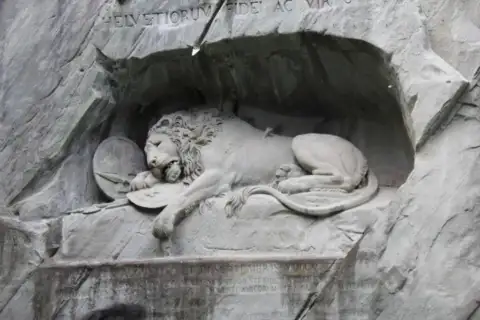
The Lion Monument can be an additional stop if you are interested in it and the approach fits your day. It is not necessary to connect every well-known Lucerne landmark on foot. Check the route from where you actually are, particularly if you have already completed a bridge loop. If you are combining it with the Glacier Garden, look at the latter’s admission and accessibility information independently; neighboring attractions do not necessarily share the same entrances, surfaces, or facilities.
Give a memorial setting the time and attention it deserves rather than making it a rushed photograph between transport connections. Read the interpretation on site, pause, and leave the path clear for other visitors. If the ground is slippery or weather makes the visit uncomfortable, omit it. A flexible city itinerary can honor your interests without insisting that every landmark must be visited regardless of conditions. Lucerne will still feel complete through its river, lake, and Old Town.

Option one: the Swiss Museum of Transport
The Swiss Museum of Transport’s visitor page explains the different experiences and gives guidance on how much time visitors may want. Treat it as a substantial outing rather than a quick shelter stop. You can focus on the areas that interest you, such as rail travel or aviation, and leave other sections for another trip. Interactive attractions and screenings may have their own arrangements, so decide what you want before selecting tickets.
Use current directions from your hotel or from the city center. The museum has public-transport connections, but you should choose the route based on weather, walking tolerance, and the day’s services. A long lakeside walk may look attractive on a bright morning yet be much less appealing in wind or rain. It is perfectly sensible to travel there by public transport and save the walking for a short section you actually want to enjoy.
Check the museum’s published accessibility details if stairs, seating, sensory conditions, or a specific attraction are important to you. Large exhibition sites can require considerable walking even when entrances are accessible. Take a meal break and do not feel obliged to add every extra attraction to the visit. A concentrated two- or three-hour exploration can be more enjoyable than an entire day spent continuing after your interest or energy has faded.
Option two: a winter boat outing
A lake cruise offers a different kind of winter experience: scenery viewed from a moving vessel, with less walking than a long promenade. The important word is winter. Lucerne Tourism’s boat information notes year-round operation with a reduced winter timetable, while the operator’s winter FAQ describes heated boats. Those statements do not establish that every summer route, special vessel, or sightseeing product runs on your date.
Pick a specific sailing after checking its departure point, total duration, return arrangement, and whether you change boats. A short round trip can be more comfortable than going far down the lake and relying on a tight connection back. If you plan to disembark in a village, check what will be open and how long you will wait for the next service. A pretty place on a summer map may offer fewer practical options on a dark winter afternoon.
Confirm accessible boarding and onboard facilities directly if you need them. Water levels, vessel type, gangways, and the chosen pier can all affect the experience. Ask whether the trip you intend to take has the facilities you require rather than asking a general question about the fleet. For passengers sensitive to motion, consider the forecast and choose a plan you can change. An indoor museum is an excellent alternative when a boat outing would feel uncomfortable.
An art-focused alternative near the station
If you prefer art to transport exhibits, the art museum in the KKL complex offers another indoor possibility close to the station. Its access information describes the building arrangement and invites questions from visitors. Check the current exhibition and opening day before deciding. An exhibition that interests you is a better choice than a supposedly essential museum whose subject leaves you cold. The proximity to the station also makes this option useful on a longer stay.
A concert can be an appealing evening activity, but it needs separate planning. Verify the performance, seat location, interval arrangements, and the journey back. Do not assume a cultural building has an event that suits you every night. If your weekend already includes a museum and a long dinner, a quiet evening may be equally rewarding. The purpose of the indoor alternative is to broaden your choices, not to add another obligation.
Mountains: a choice for the right day
Mountain excursions can be wonderful, but they are not the foundation of this non-skiing weekend. If a summit view is a priority, allow a third day and check that excursion’s own winter operation, weather, clothing advice, and access. A clear view from central Lucerne does not guarantee the same conditions at a higher elevation. Equally, cloud in town does not tell you exactly what is happening above it. Use current information from the operator.
Think about the entire excursion chain: getting to the departure point, waiting, changing transport, boarding, walking at the top, eating, and returning. If one part is unsuitable, a package description cannot make it comfortable. Avoid buying a nonrefundable excursion merely to fill a spare afternoon. The lake and city already provide a coherent weekend, and choosing to stay at lower elevation can be a positive decision rather than a missed opportunity.
Practical winter budgeting and packing
Separate the budget into accommodation, mainline travel, local journeys, one principal activity, meals, and a small contingency. Compare tickets or passes against the journeys you will genuinely take. A pass that includes several excursions is not automatically good value when you plan a quiet city weekend. Check whether discounted tickets require a particular travelcard, and do not select a reduced fare just because it appears first in a booking form.
Pack for repeated transitions between outdoors and heated interiors. Removable layers, dependable footwear, and a small bag are practical. Carry a spare pair of socks if wet feet would spoil your afternoon, and keep essential medication accessible. Gloves should allow you to manage zips and tickets without repeatedly exposing your hands. If you use an umbrella, consider how it affects visibility and the space around you on a narrow bridge; a hood may be easier in crowded areas.


Leave room on the final morning
Keep the last morning close to your hotel and the station. Have breakfast, check the train connection, and decide whether there is time for one final look at the water. Do souvenir shopping before collecting your case rather than taking luggage into narrow Old Town lanes. If weather has worsened, go to the station early and find a comfortable place to wait. Ending calmly is part of a comfortable weekend, especially when the next journey involves a connection or a long flight home.
Frequently asked questions
Is Lucerne worth visiting if I do not ski?
Yes, if you enjoy historic streets, lake scenery, museums, and a slower city break. This itinerary does not depend on skiing or a mountain summit. Choose one substantial indoor or lake activity and leave time to enjoy the center in changing winter light.
Are the boats running in winter?
There is winter service, but it is reduced and product-specific. Check the operator’s timetable for your actual day, vessel, and route. Confirm the return journey before boarding, especially if you intend to get off in a lakeside village.
Can I climb the Musegg towers in January?
Do not build a January itinerary around that. Lucerne Tourism states that the wall and towers take a winter break from November through March. Exterior views are a different experience and should not be confused with open tower interiors.
Will the city be covered in snow?
That cannot be promised. Lucerne’s appeal in this plan comes from its architecture, water, museums, and winter atmosphere. Bring clothing for cold or wet conditions, and treat any snowfall as an additional condition to manage rather than a guaranteed attraction.
How much walking is involved?
You control the distance by choosing a short river loop, using transport to the museum, and keeping optional stops optional. Historic surfaces and bridge approaches still matter. If you need a step-free route, verify each connection and venue entrance individually before travel.
Should I book a mountain trip in advance?
Only after understanding the operating conditions, cancellation terms, and whether the complete outing suits you. For a two-night city weekend, keeping that money and time flexible may be more useful. A longer stay gives you a better chance to choose an appropriate weather day.
Still deciding which country fits your non-skiing holiday? The Switzerland-or-Austria winter comparison helps frame the larger choice. Use this Lucerne plan once you want a city-and-lake base with a deliberately flexible outdoor schedule.
Conclusion
Lucerne in winter offers a full weekend without skis, ambitious hikes, or a compulsory summit. Let the river and Old Town introduce the city, then choose a museum or a verified winter sailing as your main activity. Respect seasonal closures, keep the arrival and departure easy, and allow warmth and rest to shape the day. The result is a Swiss break built around enjoyment rather than endurance.
Sources and further reading
- Lucerne Tourism: Musegg Wall and winter closure
- Lucerne Tourism: boat excursions and reduced winter service
- Swiss Museum of Transport: plan a visit
- Lake Lucerne Navigation Company: winter sailings and heated boats
- Kunstmuseum Luzern: access information
Sources reviewed: 2026-10-28.
Featured photo: Lucerne riverside — archival photograph — Mattsjc · Original photo · CC BY-SA. Resized and JPEG-compressed; depicts the destination on the original photography date, not a promise of current seasonal conditions.
