
Introduction
Wrocław makes an appealing Christmas weekend when you want a substantial historic city around the market, rather than a trip spent entirely between food stalls. Its colorful Market Square, Gothic town hall, river islands, and neighborhood cafés give two or three days a useful rhythm. You can browse the festive center after dark, use daylight for the architecture, and retreat indoors without treating every break as lost sightseeing time.
The simplest first visit is three nights with two full days, staying close enough to the old center that returning to your room is realistic. A car is unnecessary for this plan. What matters more is the hotel entrance, the route from your arrival point, and how much standing you enjoy in cold conditions. A short distance on a map can feel longer when you are pulling luggage across paving or looking for a crossing after sunset.
This is a suggested itinerary, with confirmed event information distinguished from planning advice. The organizer’s 2026 announcement places the Christmas market from November 20, 2026, through January 7, 2027. That does not mean every date has the same service: December 24, December 25, and January 1 are closures, with further holiday exceptions. Check your actual travel dates before buying a nonrefundable stay.
Quick answer: how should you organize a Wrocław market weekend?
Choose one market evening, one daylight old-town circuit, and one flexible river-and-museum day. Leave the last evening open for a return to your favorite market section. This gives you a second chance if rain, fatigue, or arrival delays spoil the first visit. It also avoids the common mistake of doing the square, cathedral district, a major attraction, and souvenir shopping in one continuous walk.
| Part of trip | Main focus | Comfort adjustment |
|---|---|---|
| Arrival afternoon | Hotel, early dinner, short market orientation | Use a taxi for the luggage leg if needed |
| First full morning | Market Square and town hall exterior | Look at architecture before the evening crowds |
| First full afternoon | Indoor visit and hotel break | Choose one museum rather than several |
| First full evening | Focused Christmas market visit | Book a seated meal separately |
| Second full day | River scenery and cathedral district | Shorten the route in wind or ice |
Understand the market’s geography before arriving
The event spreads around Rynek, the Polish name for Market Square, and adjoining streets and squares. The current organizer lists Plac Solny, parts of Świdnicka, and Oławska as well as the square’s edges. Think of this as connected sections rather than one entrance followed by a single loop. The town hall is a helpful visual anchor, but market buildings and groups of people can make familiar sightlines less obvious.
On your first circuit, identify a meeting place away from the densest stall aisle. A permanent building entrance is more dependable than an individual vendor whose sign looks similar to several others. If you are traveling together, agree what to do when someone wants to stay in a queue and the other person needs a seat. Keep hotel details available offline so a discharged phone does not turn a small separation into a stressful evening.
The city tourism description of Market Square and the town hall helps establish the permanent geography. Use it with the organizer’s seasonal map; neither alone answers every practical question. The town square remains a working part of the city, and temporary stalls can alter the most comfortable path across it.

Where to stay without making the market your bedroom
For a first visit, compare the immediate old town with its edges rather than automatically paying for a room directly above the festivities. A room overlooking the action can be attractive, but deliveries, conversation, music, and people leaving restaurants may continue after you want to sleep. Ask for a quiet room and check whether that request changes the room type or view you are actually reserving.
Look closely at the final approach. Does the hotel have a legal vehicle drop-off nearby? Is reception reached by steps? Does the elevator serve your floor without an additional stair flight? Historic buildings sometimes combine lifts with small changes of level. If those details affect your stay, ask the property to describe the route from the street to the room, rather than asking only whether it is “accessible.”
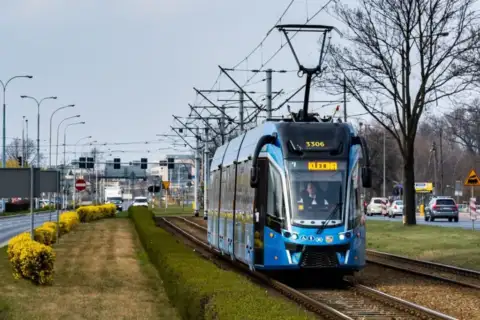
Staying a little farther out can work well when the transport connection is simple and frequent for your dates. The saving becomes less persuasive if every return requires an awkward interchange or a long exposed walk. Evaluate a sample evening journey in the local planner and include the walk at both ends. Two short tram journeys may be easier than one ambitious pedestrian route, especially after a day on uneven paving.
Arriving by train or air
Wrocław Główny is the main railway station. Before arrival, save the Polish names of your station, hotel, and intended transport stop. International ticketing apps sometimes display place names differently from local signs, and a screenshot can be easier to use than a translation performed while carrying bags. Check your operator’s information for platform changes, assistance requests, and any reservation conditions attached to your particular train.
At the station, finish the arrival task before starting sightseeing. Find the appropriate exit, confirm your onward route, and decide whether walking with luggage still feels sensible. A taxi for this one leg can be a good use of the budget even when you use public transport for the rest of the weekend. Ask where a driver can actually stop near a pedestrianized hotel.
For city buses and trams, consult MPK’s ticket-purchase guidance and the current fare information it links. Ticket formats and validation methods matter as much as the price. Do not assume that a contactless bank-card transaction always produces a paper ticket, or that an intercity railway ticket automatically includes local travel. Check the product you buy and keep the required proof available.
Arrival evening: make the first visit deliberately small
After checking in, eat before becoming absorbed in the stalls. A Christmas market is enjoyable for grazing, but finding somewhere to sit with a substantial meal can be less straightforward than buying a snack. An early restaurant booking provides a predictable warm interval and leaves the market visit as a pleasure rather than a hungry search for enough food.
Then explore one side of the square and an adjoining section. Notice where queues narrow the walking space, where the ground changes, and which stalls you might revisit. You do not need to choose every gift immediately. Photograph a vendor’s business name if you want to return, while respecting requests about photography and avoiding pictures of payment details or other visitors at close range.
Finish while the evening still feels enjoyable. Returning another night is part of the plan, not evidence that you missed something. On a short winter trip, protecting sleep on the first night often produces a better full day than squeezing in one additional circuit after a tiring journey.
First full day: old-town details before the lights
Begin around Rynek in daylight. The town hall’s exterior and the different rooflines around the square deserve attention without the competing attraction of illuminated stalls. Walk one side slowly, turn back to compare the views, and allow time to notice small details rather than treating the square as a corridor to the next landmark.
Wrocław’s small dwarf sculptures offer an optional thread through the center. They are best approached as discoveries along an existing route, not an obligation to collect a certain number. Looking down for sculptures while crossing a busy street or negotiating a crowd is a poor trade. If one is difficult to locate, carry on: the city should remain the subject of the walk.
Move toward a nearby café for a proper seated pause, then choose one indoor attraction according to your interests. Check the venue’s own current opening calendar before building the day around it, particularly on Mondays and around public holidays. A museum admission time is a fixed commitment; the remaining outdoor sightseeing can flex around the weather.
Return to your hotel before the main evening visit if its location permits. Change damp socks, charge your phone, and put away purchases. This small reset is especially helpful if you are sensitive to cold or find crowds tiring. It creates a second outing with a clear beginning and end instead of an exhausting day that gradually becomes night.


Second day: the river and cathedral district
Use the better weather window for the river landscape and Ostrów Tumski, the cathedral district. Plan this as a separate outing from your concentrated market visit. Bridges, riverside paths, and open spaces can feel more exposed than the enclosed old-town streets, and daylight is valuable for judging the paving and enjoying the water views.
Choose a destination café or indoor stop before leaving, rather than hoping one will appear at exactly the moment you need it. Do not count a church interior as guaranteed shelter: worship, services, visitor rules, and opening arrangements come first. If you enter, lower your voice, follow posted photography guidance, and avoid blocking people attending for religious reasons.
The return journey need not retrace every step. Look at a local transport option or a taxi if the weather worsens. A circular route drawn on a map can be psychologically tempting, but there is no sightseeing prize for completing it when your feet are wet. Keep an indoor alternative in the center for the afternoon, or simply enjoy lunch and a less crowded return to the market.
Food, gifts, and a sensible spending plan
Allow separate amounts for meals, snacks, warm drinks, and gifts. Several inexpensive-looking purchases can add up quickly, especially when two people are tasting different things. Ask the total before ordering a combination of food and extras, and check whether a decorative cup involves a deposit or purchase rather than assuming all vendors use the same arrangement.
For a more comfortable food stop, choose what you can eat without balancing several containers. Gloves, bags, a hot cup, and a plate occupy more hands than a traveler has. Let one person carry the shopping while the other buys food, or put everything away before joining a queue. Take care with hot drinks in dense moving crowds.
Ask vendors about materials, makers, and care instructions when buying a gift. The presence of a stall at a Christmas market does not by itself prove that an item was made locally or by the seller. If provenance matters to you, a direct question is more useful than an attractive display. Consider baggage space and fragility before choosing glass ornaments or bulky decorations.
Winter comfort, walking, and access questions
Bring footwear you have already worn for a full day, with a sole suitable for wet paving. Layers are easier to manage than one excessively warm garment when you repeatedly enter cafés and museums. Keep a dry pair of socks available and carry a small bag that leaves your hands free for railings and tickets. Weather forecasts should determine the final packing list.
For a walking aid or wheelchair, seek specific information about the hotel and selected attractions in advance. Historic paving, temporary cable covers, narrow stall passages, and crowds create different issues from the presence of a ramp at a building. A place described as accessible in general terms may still require a particular entrance or assistance arrangement.
If vision is limited, plan market navigation around stable building landmarks and quieter times rather than decorative lighting alone. Reflections, low contrast, and people stopping suddenly can complicate an otherwise short route. Tell your travel companion what kind of guidance helps, and leave extra time at crossings. The itinerary is deliberately short enough that substituting a taxi or dropping an outing does not unravel the weekend.
Booking decisions before paying
Before booking, compare the complete arrival and departure pattern rather than only the lowest fare. A cheaper flight that lands late can require a more expensive transfer and leave little useful time on the first night. A railway option with a comfortable connection may suit you better than a nominally shorter journey with a tight interchange. Put the full door-to-door route beside the accommodation cost.
Choose cancellation terms according to how fixed your dates are. Seasonal events can be affected by exceptional circumstances, and the weather can change the kind of weekend you want. Read the booking conditions for the hotel and any paid attraction separately; one flexible reservation does not make every part of the trip refundable.
Keep a short checklist with the market schedule, hotel access confirmation, travel tickets, and one indoor alternative. Share it with your companion so neither person holds all the practical information. If assistance is required for a train journey, arrange it through the operator within its stated notice period and reconfirm where you should meet staff.
Finally, leave your departure morning simple. Pack purchases safely the previous night, allow time to reach the station or airport, and avoid a final attraction that creates a rushed transfer. An unhurried breakfast and one last view of the square can be a better ending than a missed connection.
Frequently asked questions
What are the Wrocław Christmas market dates for 2026?
The organizer announces November 20, 2026, through January 7, 2027. It lists closures on December 24, December 25, and January 1, plus modified arrangements on other holiday dates. Recheck the official schedule for your exact day, especially if traveling over Christmas or New Year.
How many nights should a first visit include?
Three nights allows two full days and more than one chance to enjoy the market. Two nights can work if your arrival and departure are convenient, but avoid adding a distant day trip. The suggested pace assumes that indoor breaks and meals are part of the experience.
Do I need a rental car?
No car is needed for the central itinerary described here. Use a verified local public transport route or a taxi for arrival, departure, and any leg that feels uncomfortable on foot. A car does not remove the need to walk within pedestrian areas or through the market.
Can I rely on the market for dinner?
You can eat there, but a seated restaurant meal is easier to plan when rest, warmth, or dietary questions matter. Treat stalls as flexible tasting stops. Ask about ingredients directly, and do not assume an unfamiliar dish is suitable for an allergy from its appearance or translated name.
Is a cathedral or tower climb essential?
No. Exterior architecture, the square, the river district, and an indoor cultural stop provide a complete weekend without a tower ascent. If you want a climb, confirm stairs, opening, and weather restrictions beforehand. It is an optional activity rather than the test of whether you have seen Wrocław.
What if the forecast is wet rather than snowy?
Expect the possibility of ordinary winter rain and adjust the outdoor blocks. Use your second market evening as a backup, visit one indoor attraction, and keep river walks short. Photographs from earlier seasons illustrate the destination and do not predict snowfall or the 2026 stall layout.

Keep essential booking details together so each traveler can follow the plan independently if your group briefly separates during the final outing.
Conclusion
A successful Wrocław Christmas weekend combines the market with the city that surrounds it. Stay within a manageable journey of Rynek, use daylight for the architecture and river district, and protect time for a seated meal and an indoor pause. Confirm the event calendar and transport details for your travel dates, then keep the daily plan modest enough to change with the weather. You can leave with a strong sense of Wrocław without covering every bridge, stall, or sculpture.
Sources and further reading
- Wrocław Christmas market organizer: 2026 season and holiday exceptions
- Wrocław City Office tourism: Market Square and Town Hall
- MPK Wrocław: how and where to buy public transport tickets
Sources reviewed: 2026-10-28.
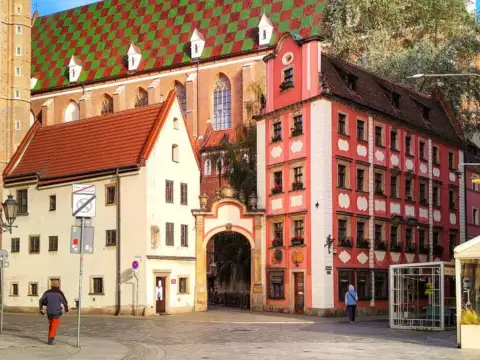
Featured photo: Historic street facades in Wrocław (2023 illustrative photograph; not the 2026 market) — Szczecinolog · Original photo · CC BY-SA. Resized and JPEG-compressed; brightness slightly increased.

More travel guides
Wrocław: checked seasonal details
Official source reviewed November 2, 2026. These details describe the 2026/27 season. They are not recurring annual dates.
- The 2026/27 market season is November 20, 2026, through January 7, 2027. Ordinary opening hours are 10 a.m. to 9 p.m.
- The organizer lists closures on December 24 and 25, 2026, and January 1, 2027. On December 26, opening moves to 1 p.m.
- On December 31, retail stalls close at 5 p.m.; food and drink service continues until 2 a.m. on January 1. Do not interpret this exception as ordinary January 1 daytime opening.
- The market opens to visitors at 10 a.m. on November 20; the opening ceremony starts at 5 p.m. The tree-lighting event is separately listed for December 4 at 6 p.m.