

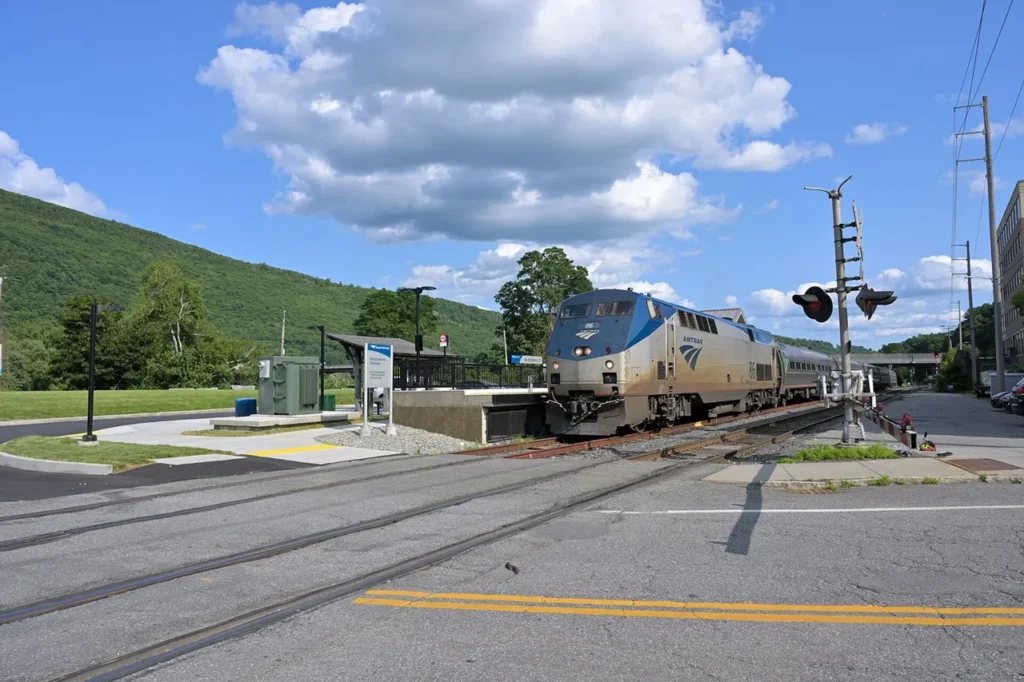

Vermont by train means choosing between two distinct Amtrak corridors: the Vermonter and the Ethan Allen Express. Both make the journey part of the trip, but they serve different stations and do not form a convenient hop-on, hop-off sightseeing loop. The Vermonter follows the eastern and central side of the state toward St. Albans, while the Ethan Allen Express reaches downtown Burlington through western Vermont. Choose according to your overnight destination and the transport available after you leave the platform.
MAKE YOUR BASE
Burlington, Brattleboro or another served town with confirmed local connections
BEST TIME TO GO
Year-round services; daylight and foliage vary by date
GETTING AROUND
Amtrak; additional transport for many villages and mountain resorts
Ride the Vermonter for river-valley and inland Vermont scenery
The Vermonter connects the Northeast Corridor with Vermont through Connecticut and Massachusetts. Within the Vermont portion, gateways include Brattleboro, White River Junction, Waterbury, Essex Junction and St. Albans, among other stops. The appeal is the changing river-valley, village and wooded landscape, best appreciated in daylight. It is an intercity service rather than a frequent local shuttle. A stopover requires a separately planned stay and onward ticket, not a casual decision to get off and catch another train an hour later.

Choose the Ethan Allen Express for downtown Burlington
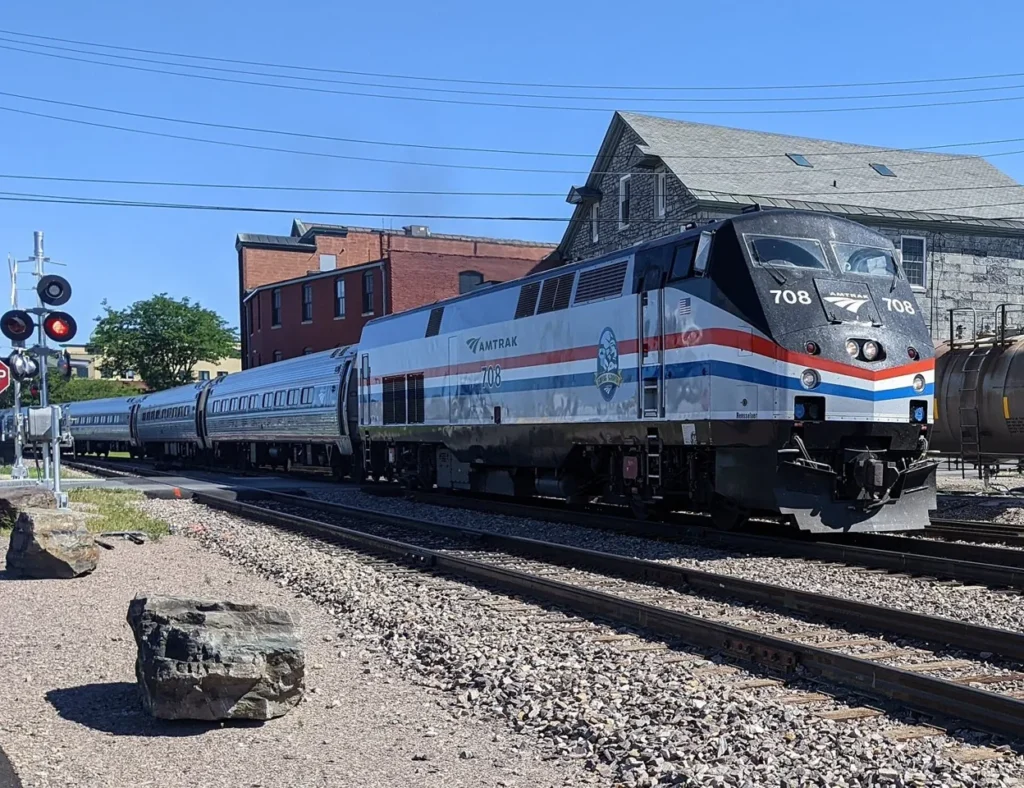
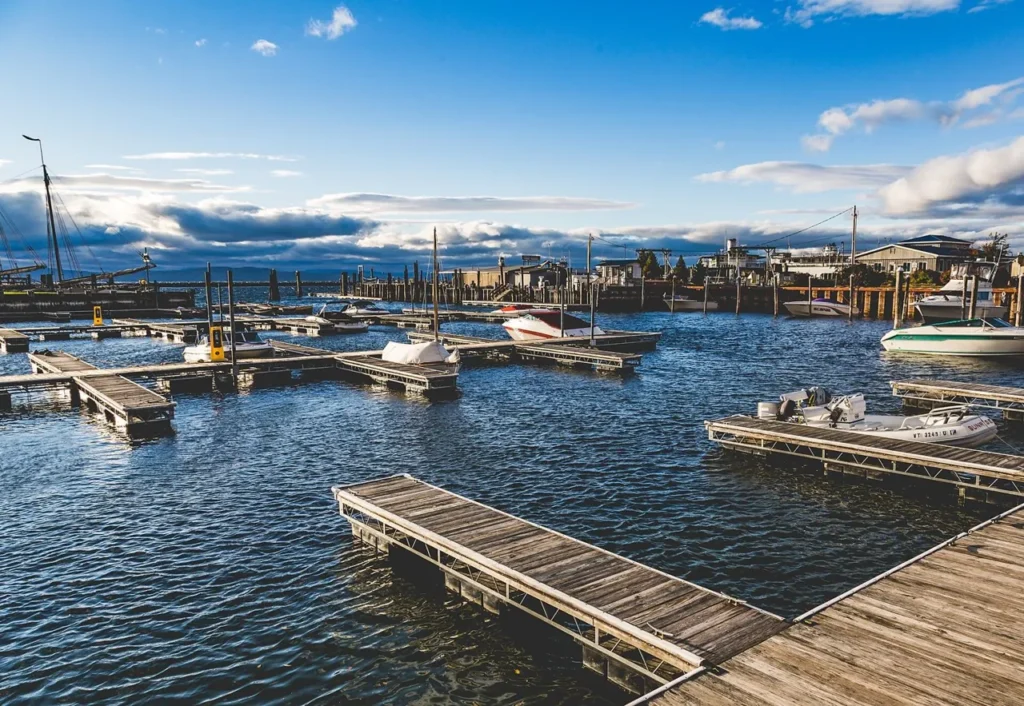
The Ethan Allen Express connects New York and Burlington through Albany, Rutland, Middlebury and the Ferrisburgh–Vergennes area. Burlington Union Station is near the waterfront, making it a useful arrival for a central city stay. The waterfront location does not remove the uphill walk toward some hotels and Church Street, so consider a taxi with luggage. Check the actual arrival time: a late arrival can be perfectly workable with confirmed hotel check-in, but leaves little opportunity for sightseeing that evening.
Match station names to the place you want to visit
Essex Junction is the Vermonter’s gateway for Burlington; it is not the same station as downtown Burlington Union Station. Waterbury is a gateway toward Stowe, not a platform in Stowe village. White River Junction can support a trip toward Woodstock, but that village also requires onward transport. These distinctions determine whether a proposed car-free holiday is realistic. Ask the hotel about a confirmed transfer or check the current local service before booking a rural base.
Build a short holiday around one corridor
For a first visit, a three-night Burlington stay reached on the Ethan Allen Express can give two full days for Church Street, the lakefront and a suitable local outing. Alternatively, choose a served town on the Vermonter and stay near its center. The longer rail journey occupies a travel day, so a two-night holiday may provide only one full sightseeing day. Do not draw a rail connection between the two Vermont corridors simply because their stations look close on the map.

Good to know before you go
Autumn can be beautiful from the train, but peak color is never guaranteed, and daylight may end before the scenic segment you hoped to see. Check the current timetable and orient the journey around the season. Summer gives longer viewing hours, while winter produces a different landscape and may complicate station transfers. Reserve the intercity train first, then confirm local transport, check-in and return arrangements. No direct Boston–Stowe or Boston–Woodstock train is implied by this guide: examine the full itinerary and any changes before buying. Keep flexibility for service alterations and avoid tight separately booked onward connections.
For the wider regional plan, use the New England travel hub. Compare nearby options in the Vermont travel guide. Compare all six states in New England by Train.
Choose the corridor that reaches the Vermont you want
Vermont’s two Amtrak corridors should be treated as different holidays. The Ethan Allen Express provides a western approach including downtown Burlington, while the Vermonter follows a different inland route and serves gateways such as White River Junction, Waterbury and Essex Junction. The destination you want should determine the train, rather than choosing a familiar service name and trying to fix the last mile afterward.
Start with one overnight base and enough time to enjoy it. A Burlington city stay, a village holiday reached through a gateway and a longer ride through the state have different transport needs. Compare the exact arrival and departure stations, hotel location and onward transfer cost before booking. The rail map does not form a simple sightseeing loop that lets you move freely between every Vermont village. A direct journey to a well-chosen base can provide a more relaxed and distinctive holiday than a complicated attempt to combine both corridors within a short stay.
Understand Burlington Union and Essex Junction
For a Burlington-focused visit, the Ethan Allen arrival at Union Station creates a different first day from a Vermonter arrival at Essex Junction. Union Station is in Burlington, while Essex Junction needs a separate onward journey for downtown. Check the station printed on the itinerary rather than assuming both services arrive at the same place.
Even for the downtown arrival, assess the route to the accommodation with luggage, slopes and any entrance steps. A central hotel can simplify meals and a return for rest, but compare its actual position with the waterfront and downtown activities. For Essex Junction, confirm a suitable connection in both directions and leave a realistic margin before the return train. A cheaper rail fare can lose its advantage if the last mile is costly or inconvenient. Burlington itself can support a focused car-free stay, so there is no need to add a rural outing solely to make the train journey feel more ambitious.
Plan the gateways to Stowe and Woodstock before the ticket
Waterbury is not Stowe, and White River Junction is not Woodstock. Each gateway requires an onward connection to the village or accommodation you intend to use. Arrange that connection before committing to an inn, particularly if arrival is late or the property is outside the center. Confirm the return and any local movement needed for meals and attractions.
A village stay can work well when the transfer is settled and the itinerary remains compact. It becomes less convenient when every outing requires another uncertain ride. Compare a central village property with a rural one using all the journeys you will make, not just the first pickup from the station. If countryside touring is the principal goal, a rail arrival followed by a local vehicle arrangement may be the most honest and practical design. Calling the trip rail-assisted does not diminish the enjoyment of the train; it simply recognizes where another mode improves the holiday.
Make the ride itself part of the visit
A Vermont train journey offers changing towns, river-valley or inland landscapes and a different pace from driving. The scenery depends on corridor, daylight, season and weather; it should not be sold as an uninterrupted sequence of perfect foliage views. Choose a daytime segment where the schedule permits, then let the destination provide the rest of the experience.
Bring a small bag with water, a layer, reading material and essentials available without unpacking everything. Check current baggage and assistance rules with Amtrak for the specific service and station. If you need boarding support or an accessible arrangement, request it through the operator rather than relying on the hotel to communicate it. Allow the arrival day to remain light. A late-running train should not automatically mean missing the one inflexible dinner or attraction around which you built the first evening. A comfortable journey is easier to appreciate when the schedule after it has some room.
Use seasons and return timing to choose the length
Autumn can make the ride appealing, but no fixed date guarantees peak color across a whole corridor. Build the holiday around the destination and use current reports as context rather than a promise. Winter, spring and summer create different landscapes and local transport considerations. Check the operating calendar of any mountain attraction, rural site or local service you plan to use after arrival.
Compare the complete cost of train, transfers, accommodation, meals and activities. If a long ride consumes most of the first day, give the stay enough nights to provide meaningful time on the ground. Keep the final transfer to the station separate from a last-minute sightseeing outing. For a later flight or independently booked connection, assess the consequences of delay and consider an overnight near the departure city. Vermont by train is most satisfying when the ride and the stay form one coherent holiday, rather than treating a distant village as a quick add-on to a through service.
Budget for this route
October 2026 planning worksheet in US dollars: these are editorial spending allowances, not surveyed hotel rates, live quotes or guaranteed ticket prices. Price your actual dates before committing; peak weekends can exceed the room allowance.
| Item | Allowance | What to check |
|---|---|---|
| Room, per night for two adults | $170–$320 | Before lodging taxes; use your actual overnight count |
| Meals, per adult per day | $45–$80 | Casual meals; alcohol and gratuities extra |
| Activities, per adult per sightseeing day | $20–$60 | An allowance, not the price of a specific ticket |
| Local transport, per adult per day | $15–$45 | Intercity rail, ferries and private transfers extra |
For two adults sharing transport, the illustrated sightseeing-day spending is $80–$185 per adult, before lodging and the exclusions above. Add $85–$160 per adult for each shared-room night, before tax. Multiply nights and sightseeing days separately; arrival days need their own meals and transfers.
Price the expensive transport first: quote the actual train or ferry departure and both ends of every private transfer. A low rail fare can be outweighed by a rural taxi journey.
What to book, and in what order
Choose Ethan Allen Express or Vermonter based on the destination; reserve the onward road transfer before a rural room.
Next, confirm cancellation deadlines and the time you must report for any timed entry or departure. Leave meals and unbooked village stops flexible. Save tickets offline and avoid scheduling a non-refundable connection immediately after a weather-dependent outing.
Access, walking and places to pause
Request station-specific access and assistance information, including the planned arrival time; a train reservation does not supply a station attendant.
Before buying, ask the chosen venue for the entrance-to-main-attraction walking distance, surface and slope, stair count, working elevator or ramp, nearest restroom and seating on the actual route. For low-vision travelers, ask about audio description, large-print information and assistance locating the entrance. These are questions to confirm, not a claim that every listed service is available. Arrange a seated break after the main visit and keep an indoor alternative close to the overnight base.
Getting from your arrival point to the sights
Waterbury-to-Stowe, White River Junction-to-Woodstock and Essex Junction-to-Burlington are separate transfers.
Save the exact pickup address and the provider’s contact details offline. Check the final return service before leaving the center; a map pin for a town is not a station exit or attraction entrance. If a ride is essential, confirm its availability and cost before making the reservation that depends on it.
Short on time? Keep these stops
Choose one served town for two nights with one train corridor.
Remove the attempt to combine both Vermont corridors into a short loop.
Check actual prices, calendars and access
Printable trip checklist
Vermont by Train: Vermonter and Ethan Allen Express Journeys
Use your browser’s print dialog to print the checklist or save a PDF. Fill in your own travel dates, reservations and quoted costs on the printed copy.
Overnight base: Burlington, Brattleboro or another served town with confirmed local connections
Travel dates: ____________________ Booking references: ____________________
- Ride the Vermonter for river-valley and inland Vermont scenery — The Vermonter connects the Northeast Corridor with Vermont through Connecticut and Massachusetts.
- Choose the Ethan Allen Express for downtown Burlington — The Ethan Allen Express connects New York and Burlington through Albany, Rutland, Middlebury and the Ferrisburgh–Vergennes area.
- Match station names to the place you want to visit — Essex Junction is the Vermonter’s gateway for Burlington; it is not the same station as downtown Burlington Union Station.
- Build a short holiday around one corridor — For a first visit, a three-night Burlington stay reached on the Ethan Allen Express can give two full days for Church Street, the lakefront and a suitable local outing.
Area map links
Open these links in a saved PDF; on paper, use the place and state names to look them up. These are area searches, not verified entrances or turn-by-turn routes.
Before leaving
- Choose Ethan Allen Express or Vermonter based on the destination; reserve the onward road transfer before a rural room.
- Waterbury-to-Stowe, White River Junction-to-Woodstock and Essex Junction-to-Burlington are separate transfers.
- Request station-specific access and assistance information, including the planned arrival time; a train reservation does not supply a station attendant.
- Record each paid ticket, final admission time, cancellation deadline and return departure.
- Confirm hotel nights, lodging taxes, meals, local transport and the total quoted trip cost.
- Save tickets, attraction entrance addresses and return pickup contacts offline.
- Check weather, service alerts and closures before the first outing.
Shorter version
Choose one served town for two nights with one train corridor. Remove the attempt to combine both Vermont corridors into a short loop.
Confirmed bookings / access arrangements: ________________________________________
Return service / pickup: ________________________________________
Actual budget total: ________________________________________
FIND YOUR WAY
Rail gateways and excursion areas
Passenger-rail gateways and selected excursion areas are shown separately. Markers do not imply a through train connection.
The map loads when you choose to open it. You can also use the direct place links below.
Approximate locations for orientation. Check official station, attraction and ferry-terminal directions for your arrival. Interactive maps use Leaflet and OpenStreetMap.
THE PRACTICAL DETAILS
Frequently asked questions
Which service stops in downtown Burlington?
The Ethan Allen Express serves Burlington Union Station. The Vermonter uses Essex Junction outside the city.
Can I take the train directly to Stowe or Woodstock?
No. Each needs an onward connection from a served gateway such as Waterbury or White River Junction.
Can I use both routes as a simple loop?
Not as a convenient local rail loop. Their station patterns, schedules and connections need a separate detailed plan.
Which service is best for Burlington?
The Ethan Allen Express reaches Burlington Union Station, while the Vermonter serves Essex Junction with a separate onward journey. Compare the actual schedule and hotel connection before choosing. The best service depends on your origin and dates, but the two station locations should never be treated as the same downtown arrival.
Can I take a train directly to Stowe or Woodstock?
The relevant rail gateways require onward transport: Waterbury for a Stowe plan and White River Junction for a Woodstock plan are not the villages themselves. Confirm both directions and local movement before booking accommodation. A central village stay may work well, while a rural property can introduce additional transport needs each day.
Can I make a loop using the two Amtrak routes?
Do not assume the corridors create a simple local loop. Compare the actual stations, schedules and any cross-state road connection before designing such a trip. For a short holiday, one corridor and one useful base are usually easier to enjoy than a complicated combination with little time at the destinations.
Is the train a guarantee of peak foliage?
No. Color varies by date, elevation and weather, and a long corridor can pass through different stages on the same day. Choose a destination and ride you would enjoy in ordinary conditions. Use current official reports for context, but avoid making the whole holiday depend on a single promised peak-color window.
How long should I stay after a long train ride?
Allow enough nights to create at least a meaningful full day at the destination, preferably more when the arrival and departure each occupy much of a day. Count usable sightseeing hours rather than calendar dates. A longer stay in one base often provides better value than adding another village and another set of transfers.
Official sources & current travel information
Use the official information below for current operating dates, reservations, access details and transport changes. Journey times in this guide are approximate planning allowances, not live predictions.
- Vermont Tourism: train travel
- Vermont Agency of Transportation: passenger rail
- Amtrak: Vermonter
- Amtrak: Ethan Allen Express
- Amtrak: date-specific schedules
Guide prepared October 23, 2026. Recheck time-sensitive arrangements for your travel dates.