
Introduction
Dresden works best as a Christmas-market trip when you give the city time to be a city. The Striezelmarkt is the headline, but the rebuilt streets around the Frauenkirche, the Elbe waterfront, and the museum district give three days a useful rhythm. You can spend daylight looking at architecture, retreat indoors when your feet need a break, and return to the stalls after the lights come on. That is a more comfortable introduction than trying to collect every market in one long evening.
For 2026, the city-linked Christmas information service lists the Striezelmarkt on the Altmarkt from November 25 through December 24. Other markets have their own calendars. This guide proposes three days during the main Advent season, rather than promising that every attraction or stall will be available on every date. Check the current Striezelmarkt announcement when booking and again before departure.
Quick answer: Stay near the Altmarkt or a convenient tram stop, choose one substantial indoor visit, and divide your market time into two shorter sessions. A three-night stay gives more flexibility than two nights if your first day includes a long rail journey. A car adds little to this central itinerary; comfortable shoes, a manageable suitcase, and a realistic walking plan matter more.
Plan around three different kinds of Dresden day
The suggested sequence separates arrival, cultural sightseeing, and the riverfront. It is a planning framework, not a timed tour. Move the museum to the wettest day, keep the clearest daylight for the Elbe, and avoid reserving a concert immediately after a train connection. Travelers who prefer a slower pace should remove one activity rather than compress every break.
| Day | Main purpose | Market session | Comfort adjustment |
|---|---|---|---|
| One | Arrive and learn the Altmarkt area | A short first look at the Striezelmarkt | Check in and eat before going out |
| Two | One museum or booked cultural visit | Return for crafts and regional food | Keep an indoor rest between outings |
| Three | Frauenkirche area and Elbe views | One additional market if dates suit | Shorten the river walk in wind or ice |
Choose accommodation by the return journey
The Altmarkt area makes the main market easy to revisit. That convenience is especially valuable if one person in your group wants an afternoon rest while another keeps exploring. A hotel farther from the stalls can still work well, provided the route home is simple. Compare the actual entrance location with tram stops and crossings, not just the distance shown in a booking search.
Ask about elevators, the number of steps before the elevator, shower access, and whether the room faces an evening gathering area. An attractive historic exterior does not establish the accessibility of a particular room. Request the room features you need in writing. A quiet room and a reliable return route can be worth more than a view of a decorated square.
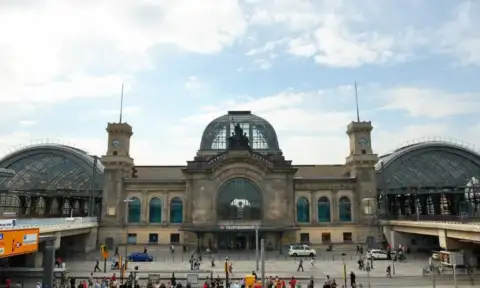
Dresden Hauptbahnhof and Dresden-Neustadt are different arrival points. Book your accommodation after checking which one your train uses. Do not assume that a station with Dresden in its name is the best stop for your hotel. Leave a generous connection after an incoming flight, and keep arrival night free of nonrefundable activities. If a late arrival would put you outside reception hours, arrange the key procedure before traveling.

Day one: meet the Striezelmarkt without rushing
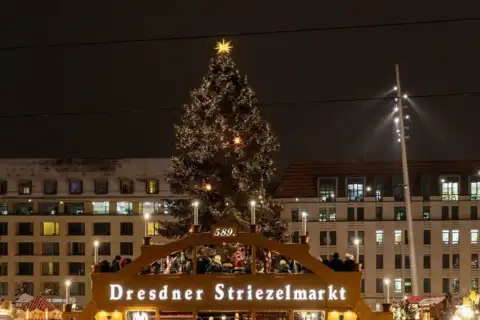
After dropping your luggage, walk the route between the hotel and the Altmarkt in daylight if your arrival allows it. Notice useful crossings, a place to sit indoors, and the direction you will take home. Those small decisions are easier before the busiest evening period. If you are tired from travel, make this a reconnaissance walk rather than your main shopping session.
On your first market visit, concentrate on orientation. Look around the edges before entering the busiest lanes. Find a quieter place to pause, agree on a meeting point with companions, and decide which stalls you want to revisit. Keep a compact bag in front of you where practical and leave bulky shopping for the end of the visit. A large backpack makes narrow spaces harder to negotiate.
Try one food or drink that interests you instead of treating the market as a compulsory tasting list. Ask what is in a dish, particularly if you avoid pork, alcohol, nuts, or dairy. A nonalcoholic drink is a useful option when you still need to navigate trams and unfamiliar streets. Stall menus and payment arrangements vary, so carry a modest cash reserve as well as a card.
Finish before cold or fatigue turns a pleasant first evening into a difficult walk. You have two more days. Returning with energy is preferable to forcing a complete circuit on arrival. Keep a note of a craft stall’s name or position if you might buy later; photographs can help, but ask before photographing a maker’s work or a person at close range.
Day two: give culture the daylight hours
Use the second morning for one museum or cultural attraction rather than several. Dresden’s collections offer enough material for a substantial visit, and Christmas-market evenings already add time on your feet. Choose the collection that fits your interests, then consult its own booking and accessibility information. Do not buy a timed ticket solely because a general city pass makes it look like a bargain.
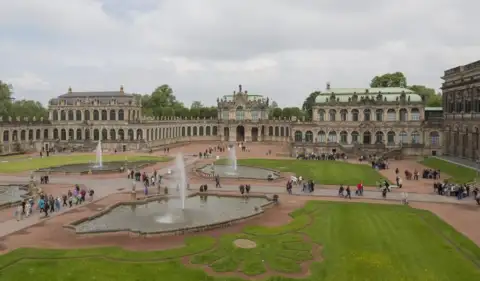
If your priority is the Zwinger area, distinguish seeing the architecture outside from entering a particular collection. They are separate experiences with different practical demands. Building works, seasonal conditions, and collection arrangements can change the route you expected. Check the Dresden State Art Collections for the attraction you intend to visit rather than relying on an old itinerary.
Plan a seated lunch after the cultural visit. It creates a genuine break between looking at art and walking among stalls. An hour in a cafe is not wasted sightseeing time on a winter trip; it is what may make a comfortable second evening possible. Travelers who find museum standing tiring should ask about seating or mobility aids before booking.
Return to the Striezelmarkt with a purpose: perhaps selecting a gift, trying a regional specialty, or examining the craftsmanship you noticed the previous evening. This second visit is more rewarding when it is different from the first. Leave room for a conversation with a stallholder when the queue is quiet, and compare items before deciding what can travel safely in your luggage.

Day three: the Frauenkirche area and the Elbe
Begin around the Frauenkirche and Neumarkt, allowing time to appreciate the relationship between the square and its surrounding buildings. Church access, services, concerts, and special visits follow their own schedules. Look at the Frauenkirche’s official information before treating an interior visit as guaranteed. A quiet church visit and a ticketed performance are not interchangeable bookings.
Continue toward the Elbe only if conditions are comfortable. The river gives a broader view of Dresden than the market lanes, but open waterfronts can feel much colder than sheltered streets. Choose a short out-and-back walk if that lets you enjoy the view without committing to a distant bridge crossing. Keep steps and exposed sections optional.
For travelers with limited stamina, this is a good day to use a tram for one leg of the journey. The objective is a balanced view of the city, not a walking-distance achievement. You can also replace the river section with a longer indoor visit if rain or freezing conditions make the route unpleasant. Decide while you still have a warm place to wait.
If you want a second market, choose it for a different atmosphere or location rather than adding every name on a map. Verify its dates independently. A Christmas-market umbrella website can list several events without implying identical hours, admission arrangements, or opening days. One carefully chosen extra market is enough after two evenings on the Altmarkt.
How should you use Dresden’s trams?
DVB’s official network maps are the best starting point for the route between your arrival station, hotel, and sightseeing area. Save a map before leaving reliable Wi-Fi. Then check the current journey planner for diversions. A printed or downloaded map helps with orientation, but it cannot show every temporary operational change.
Compare the number of trips you expect with the current ticket options. Read the validity rules rather than choosing a ticket by its name alone. The DVB ticket overview explains the local products and directs travelers to the wider transport association. A regional ticket, local day ticket, and long-distance rail reservation serve different purposes; do not assume that purchasing one automatically covers the others.
For accessibility, check both the vehicle and the stop. Low-floor transport does not make every boarding point equally suitable. DVB provides barrier-free travel information, while the regional VVO stop guidance helps identify suitable infrastructure. Describe your particular requirements when asking for advice, including a mobility aid’s size or difficulty managing a gap.
What should you budget and book?
Start with accommodation, intercity travel, and any cultural experience that would disappoint you to miss. Add a daily food allowance that includes at least one comfortable indoor meal. Market snacks are part of the experience, but relying on them for every meal can mean prolonged standing, limited dietary choices, and several small purchases that are hard to track.
Separate souvenir money from transport money. Wooden decorations and fragile ornaments may need protective wrapping, and a cheap purchase is not useful if it cannot fit safely in your luggage. Ask about materials, origin, and care instructions. If mailing something home, confirm delivery costs and customs responsibilities directly with the seller rather than assuming a posted item is included in the stall price.
For a short visit, a flexible hotel booking can be more useful than a complicated collection of advance attraction tickets. Compare cancellation deadlines with the uncertainty in your travel arrangements. The right booking order is the one that protects the main purpose of your trip. A Christmas market is outdoors, so retain enough flexibility to shift a visit away from the worst weather.

Walking, warmth, and a manageable packing list
Expect a combination of hard paving, standing, crowds, and short outdoor waits. Wear shoes you have already tested for several hours, with soles appropriate to wet surfaces. Bring layers that work when you alternate between cold streets and heated interiors. Gloves that let you handle a ticket or phone reduce the temptation to put essential items down on a stall counter.
A small day bag should hold medication, water, a charged phone, backup power if needed, and the address of your accommodation. Keep a paper copy of essential information if phone navigation would be difficult. If you have low vision, larger-print notes about stops, meeting places, and the hotel name may be more useful than a crowded screenshot of an entire itinerary.
Build comfort into the route itself. Choose a cafe before you urgently need a seat, identify accessible restrooms through the relevant venue or tourist service, and agree that anyone in your group can shorten an outing. Age alone does not determine how much a traveler can walk; your own pace and needs should set the schedule. No itinerary can establish that every stall aisle will be clear or every surface dry.
Keep one optional experience in reserve
A third evening gives you a useful choice: repeat a favorite market, attend a performance, or simply have dinner somewhere warm. Keep this decision separate from the main itinerary. If a concert is important, consult the venue’s program for your actual date, language, admission rules, and arrival requirements. Do not treat a photograph of a church concert as evidence that an equivalent event will take place during your stay.
The Worldly Traveler Speaks video accompanying this article is a broader German Christmas-market overview and includes Dresden. Use it for visual context and inspiration; the other destinations in the film are not extra stops built into this three-day route. This article’s current source links should guide practical planning, since a video’s images and narration may reflect a different season.
For companions with different interests, agree on a short period of independent exploration rather than making everyone attend every activity. One traveler might want more time with crafts while another prefers a quiet gallery. Write down the next meeting point and time in a place both people can find. Choose an actual entrance or recognizable business, because a vague instruction to meet near the market can be difficult when several lanes look alike.
Make departure day part of the plan
A final morning can be enjoyable if you decide in advance how luggage will be handled. Ask the hotel about storage and its collection procedure, leaving enough time to retrieve bags before your train. Do not assume a locker will accommodate every suitcase or be available at a particular station. An extra bag of breakable ornaments can change how comfortably you manage stairs and boarding.
Keep the last outing close to your departure route. This is a good time for a short repeat visit or a seated breakfast, rather than a new attraction across the city. Check the platform and train information before setting out from the hotel, then check again at the station. If you have arranged assistance, follow the meeting instructions supplied with that booking and allow a buffer for getting through the building.
Save receipts for purchases you may need to identify later, and take care of any packaging before you reach a crowded carriage. A few minutes of organization at the hotel is easier than repacking beside a moving train. The same principle applies to the entire visit: make practical decisions while you are warm and unhurried, so your time outside can be devoted to enjoying Dresden.
Frequently asked questions
Is three days enough for Dresden’s Christmas markets?
Three days is a good first visit if you focus on the Striezelmarkt, one additional market, and selected central sights. It is not enough for every museum and a long regional excursion. Allowing several nights is especially helpful if you need recovery time after travel or want to change plans around the weather.
Do I need a car in Dresden?
A car is unnecessary for this central itinerary. Choose a hotel with a practical station or tram connection and verify the final route before arrival. If you require a taxi or an accessible vehicle for a particular transfer, arrange it in advance rather than assuming it will be waiting outside a busy market.
Can I visit on Christmas Eve?
The Striezelmarkt’s published 2026 season includes December 24, but Christmas Eve is a shortened and operationally different day. Do not plan it as your only full market day. Confirm transport, restaurant reservations, reception arrangements, and the exact market schedule independently, because a market’s closing time says nothing about other services.
Will there be snow?
Snow cannot be promised. Plan for cold, rain, and slippery surfaces as possibilities, then use the local forecast near departure. Photographs from earlier winters show a place at a particular moment; they do not establish the weather during your dates. A rain-ready plan is more useful than booking around an imagined snowy scene.
What is the easiest way to avoid an exhausting visit?
Split the market into two sessions, stay on a simple return route, and schedule a real indoor break before evening. Leave towers, long river walks, and extra museums optional. You will enjoy more of Dresden by choosing a few things attentively than by spending the final evening too tired to appreciate the lights.
Conclusion
Dresden offers a satisfying three-day Advent visit when the Striezelmarkt anchors the trip without occupying every hour. Use daylight for one cultural experience and the city’s broader setting, keep your transport decisions simple, and return to favorite stalls when you have the energy to enjoy them. Confirm the 2026 calendars and the arrangements that matter to your own comfort, then leave room for an unhurried cup, a careful purchase, and the pleasure of seeing the same square in a different light.
Sources and further reading
- Striezelmarkt 2026 information
- Dresden State Art Collections
- Frauenkirche Dresden
- DVB network maps
- DVB ticket overview
- DVB barrier-free travel
- VVO accessible stop guidance
Sources reviewed: 2026-10-28.
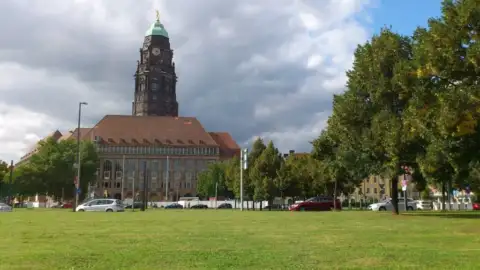
Featured photo: Dresden buildings beneath a prominent tower in a daylight archive photograph (archive photograph; conditions may differ during Advent 2026) — Erich Herber · Original photo · CC BY-SA. Resized and JPEG-compressed; no scene elements changed.
