
Introduction
Graz offers a Christmas-market weekend with several distinct moods within a relatively compact center. The main square provides the classic festive setting, smaller lanes invite slower browsing, and the river separates the historic core from the contemporary architecture around the Kunsthaus. For a first visit, the attraction is not simply the number of markets. It is the opportunity to combine a few seasonal stops with a city that remains interesting when you step away from the stalls.
This two-night plan is designed for travelers who want an enjoyable pace without a car. It pairs markets with daylight orientation, a warm indoor afternoon, and optional viewpoints. The center includes uneven paving, tram tracks, and routes toward the Schlossberg that can be steep. Rather than promising an effortless city, this guide shows where to make choices. You can enjoy Graz thoroughly while skipping a climb, shortening a walk, or using transit for a connection that looks small on the map.
The quick answer: when and how long?
Graz Tourism’s 2026 Advent page lists the Christmas-market season from November 20 through December 24. Its individual market entries should be checked for exact opening days and hours, particularly near Christmas Eve. A festive attraction or event may have a different schedule from the stalls on the main square. Book within the shared season if you want a straightforward first visit, and verify any specific performance or seasonal installation separately.
Two nights allow an arrival-evening introduction, a full day, and a flexible departure morning. That is enough to see the principal center without treating every market as a required stop. A third night is useful for a deeper museum visit or a slower pace, especially after a long journey. A single overnight can work, but it leaves less room to adapt if rain, delayed transport, or tiredness affects the first evening.
| Stage | Suggested focus | Comfort decision |
|---|---|---|
| Arrival afternoon | Hotel and Hauptplatz orientation | Store luggage before browsing |
| First evening | Main square market and dinner | Keep the outing short after travel |
| Full-day morning | Old Town lanes and courtyards | Choose a compact loop |
| Full-day afternoon | Kunsthaus or another indoor visit | Include a proper seated break |
| Second evening | Smaller market areas | Return by a familiar route |

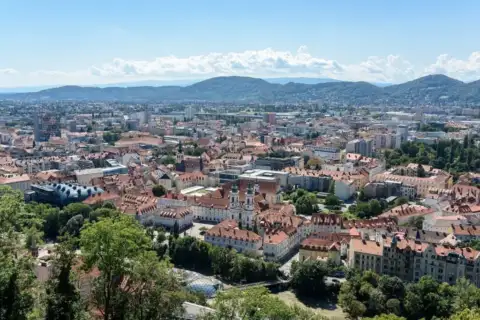
Arrive with a clear station-to-hotel plan
Graz Hauptbahnhof is the main railway station, not the main market square. Decide how you will reach your hotel before arriving with bags. A station-area property can simplify an early departure, while a central hotel reduces the evening journey after the markets. Neither choice is automatically better. Compare the complete route, including the stop, crossing, building entrance, and any steps between reception and your room.
When comparing trains, look at changes as well as journey time. A slightly longer direct ride can be more manageable than a faster itinerary with a tight interchange. Keep reservations and tickets together, and understand whether your fare is tied to a particular service. If you require assistance boarding or changing trains, use ÖBB’s current mobility-service process and confirm the arrangements for the full journey. Do not assume assistance follows automatically from buying a ticket.
Ask the hotel for directions using the easiest route rather than only the shortest. In an unfamiliar city, a straightforward tram ride plus a clear final walk may be preferable to navigating several small streets. If luggage handling or darkness makes the approach difficult, consider a taxi for arrival. You can still enjoy a car-free weekend while using a vehicle for one practical connection. The goal is comfortable travel, not adherence to a transport rule.
Where to stay for the markets
A hotel near Hauptplatz or between the center and Jakominiplatz can make the proposed evening outings convenient. Verify the actual walking distance and whether the entrance is reached from a pedestrian street or a traffic route. Ask about sound if your room faces a lively square. A central location can save effort, but a quieter room and reliable lift may matter more than being directly above a market.
The river’s western side can also be practical, particularly around the Kunsthaus area. Look at the bridge crossing you would use and how it fits your evening plans. Properties closer to the station may offer a simpler luggage journey but require more transit during sightseeing. Before choosing, imagine returning after dinner in cold weather. The hotel that feels most convenient at that moment may differ from the one with the most appealing promotional photograph.
Confirm facilities explicitly: entrance steps, lift access to your room, bathroom layout, and luggage storage. Historic accommodation can have an elevator without offering a completely step-free journey. If you have specific needs, describe them in writing and keep the response. A vague assurance that the hotel is suitable for everyone is less useful than a clear answer about the doorway, lift, and room you will actually use.
Understand the useful limits of the Old Town tram
Graz has a free central tram zone known as Altstadtbim. Holding Graz’s official page explains the covered area and current validity. It is a defined zone, not free travel throughout the city. A journey from the station or another neighborhood may go beyond it and require a ticket. Look at the actual stops on your route rather than assuming that a tram passing through the center is free for its entire journey.
This central option can be valuable when you want to shorten a connection between sightseeing areas. It does not eliminate the need to check boarding arrangements or the final walk. The operator publishes accessibility information for Graz Linien; use current journey information for the specific service and stop. Keep bags out of doorways, let passengers leave first, and allow yourself enough time to board comfortably.
For your first evening, save a simple return route and the hotel address offline. A familiar tram stop can be reassuring after several hours in an old street network. If you are traveling with someone, agree on a meeting point outside the densest part of the market. Phones are helpful, but cold batteries, noise, and weak attention after a long day can make an agreed landmark more dependable than repeated calls.
First evening: give Hauptplatz your attention
Once settled, begin with the main square. Walk around once before deciding what to buy or eat. Notice where people queue, where the tram corridor runs, and which part of the square offers a less compressed place to pause. A festive square is still part of a working city, so watch for tracks and other movement while looking at decorations. Stop to take photographs from a safe position rather than backing into the flow of people.
If you want a proper dinner, organize it separately from the market visit. Food stalls can be enjoyable, but they may involve standing outside, balancing a tray, or waiting in a queue. A seasonal snack followed by a restaurant meal is a sensible compromise. When a seated table is important, book ahead where possible and ask about the approach and bathroom access. A market’s central location does not establish the facilities of neighboring restaurants.
Use the first evening to understand the city’s layout and atmosphere. You do not need to visit every smaller market afterward. A short walk back along a route you now recognize can be a satisfying finish. If you arrive exhausted, have dinner and make only a brief circuit. The full day ahead will be more enjoyable if you avoid beginning it with the fatigue left over from an ambitious arrival night.
Full-day morning: old streets, courtyards, and clear choices
Explore the center in daylight before the evening crowds become the main focus. Begin with a loop that connects Hauptplatz, the nearby streets, and the Landhaus surroundings if open and suitable on the day. Look at the buildings, signs, and changes in street scale instead of moving only from market to market. Small courtyards and passages can be inviting, but check whether they are public and whether an entrance or step suits you before continuing.
Seasonal highlights can be a reason to choose a particular route, but check their actual dates. A tourism page advertising an ice installation or a special lighting event may describe an attraction that begins later than the market season. Do not assume everything pictured is operating on the opening weekend. Keep your morning worthwhile through the permanent city itself, then treat the seasonal extras as additions confirmed for your visit.
Plan a warm break before adding more distance. The temptation in a compact center is to think the next square is always only a few minutes away. Those few minutes accumulate, as does standing while reading signs or browsing stalls. If you travel with a companion, discuss the next section while seated rather than making the decision halfway up a slope. A shared pace matters more than completing the full route suggested in any guide.

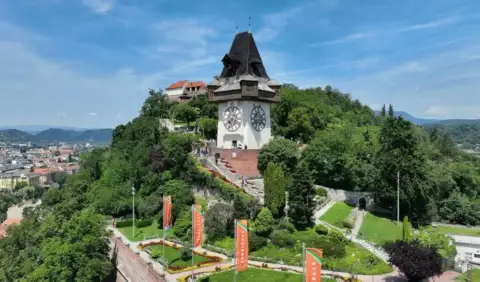
The Schlossberg is optional, not a requirement
The Schlossberg and its clock tower are prominent parts of the Graz skyline. Decide whether a visit fits your interests and mobility, then check the current operator information for the lift or funicular and the routes at the top. Reaching a higher level by mechanical transport does not mean every viewpoint, path, or attraction there is step-free. Weather can also change the experience considerably. A clear, dry afternoon is different from a dark, wet evening.
If you choose to go, allow time for the complete outing rather than only the ride. You may need to reach the station, wait, explore, find a suitable descent, and return to your next stop. Avoid making it a tight connection before a restaurant reservation. If the ground or visibility is poor, enjoy the skyline from below and spend that time on an indoor visit. The historic center gives the weekend enough substance without a climb.
Visitors who particularly enjoy viewpoints might make the Schlossberg the day’s main activity and shorten the museum plan. That is a more comfortable choice than treating both as mandatory. A first visit should help you understand what you like about Graz, not demonstrate how much you can fit into a timetable. Leave enough room to pause when a view, a street, or a conversation turns out to be more interesting than expected.
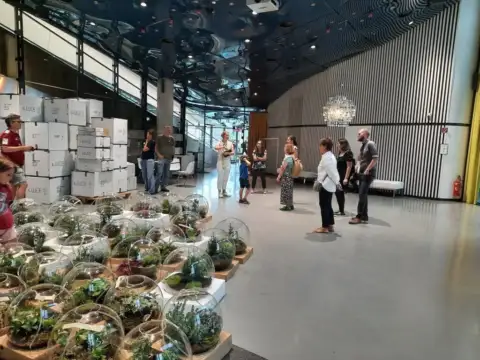
A warm afternoon at the Kunsthaus or another museum
The Kunsthaus offers an architectural and cultural contrast to the older center. Choose it if contemporary art interests you, then check the current exhibition, admission, and opening day before arriving. Its official accessibility page provides information for planning. If a particular gallery, lift, or facility matters to your visit, ask directly about that part of the experience rather than assuming a modern building has no practical limitations.
Travel there by the route that fits your energy and conditions. Crossing the river can be an enjoyable transition on a pleasant day, but transit is a useful option when you want to conserve walking. Do not spend the museum visit thinking you must inspect every room to justify admission. Focus on the exhibition that interested you, use available seating, and allow time for a café or lunch afterward.
If contemporary art is not your preference, choose another indoor attraction from the city’s official listings or simply make the afternoon a leisurely meal and hotel break. An Advent itinerary needs warmth and rest more than it needs a museum label. Spending money on something you enjoy is more sensible than buying an admission solely because a guide describes it as a must-see. A good afternoon prepares you for the second evening.
Second evening: smaller market settings
Use the second evening for a few of the more intimate central market areas rather than repeating the same main-square circuit. Graz Tourism’s individual market guide lists places such as the Franziskanerviertel, Glockenspielplatz, and Mehlplatz. Choose two that connect sensibly from your afternoon or hotel location. Different food, crafts, or surroundings can give you a varied experience without requiring a long cross-city journey.
Browse first, then return to the stalls you care about. Take time to ask about a craft or a product rather than buying immediately because the crowd is carrying you onward. For fragile gifts, request packaging and think about the rest of your trip. For food, consider storage, the journey home, and entry rules at your final destination. A locally appealing purchase is useful only if you can carry and use it comfortably.
Keep the final section of the evening familiar. If you have explored new lanes, return to a main route before you are tired. Stop for a warm seated drink if you want to linger, or head back to the hotel while the visit still feels pleasant. There is no prize for staying until closing. A shorter, attentive evening is often more memorable than spending the last hour cold and wondering where to sit.
Use the Austria video as inspiration
The accompanying Austria Christmas-markets video includes Graz as part of a broader seasonal overview. It can help you compare the city’s atmosphere with other Austrian destinations. Use the local official pages for your specific 2026 dates, opening details, transport, and access. Footage records one period of the city’s festive life; it cannot promise identical weather, decorations, crowds, or operating arrangements during your own weekend.
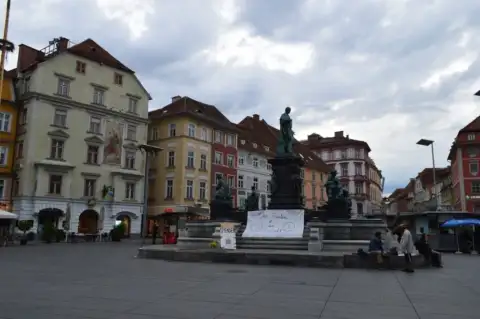

Budget, weather, and departure morning
Set aside separate amounts for accommodation, transport, meals, admissions, and gifts. Remember that the free central tram zone has limits, and an attractive hotel rate may be offset by extra journeys. Compare a visitor product with the activities you actually intend to use rather than adding admissions to make it appear worthwhile. Keep a small contingency for a taxi or a warm meal when conditions make the original plan less comfortable.
Pack layers and shoes with reliable grip. Wet stone, tram tracks, and cold hands can make simple movements more awkward. Keep your phone and essential medication somewhere accessible, carry a payment backup, and avoid filling a day bag with items you will not use. If the forecast is poor, shorten outdoor sessions and place the indoor activity in the least pleasant part of the day. The itinerary is a framework, not a commitment to walk in unsuitable conditions.
On departure morning, choose a final breakfast and perhaps a brief nearby look around before collecting luggage. Check the train connection and leave enough time to reach the correct platform without rushing. Do shopping before retrieving your case. A calm departure is especially helpful if the next leg involves a connection or flight; it lets you carry the enjoyable feeling of Graz onward rather than ending the visit in a hurried dash.
Frequently asked questions
Can I enjoy Graz without renting a car?
Yes, the central itinerary works through walking and public transport, with an optional taxi for luggage or fatigue. Plan the station-to-hotel journey carefully. You do not need to add parking and a rental vehicle to enjoy the main Christmas-market areas.
Are all trams in Graz free?
No. Altstadtbim applies within a defined central zone under the operator’s current conditions. A longer journey, including one beyond that zone, may need a ticket. Check the specific stops and coverage on Holding Graz’s official information before boarding.
How many Christmas markets should I visit?
One principal market session and a second outing to a couple of smaller settings are enough for a varied first weekend. Let geography and your interests guide the choice. It is better to enjoy a few places than to spend the visit moving between all of them.
Do I have to climb the Schlossberg?
No. It is optional, and mechanical access still requires checking the routes and conditions for the visit you want. Enjoying the skyline from the center is a valid alternative, particularly in wet weather or when a climb would use too much energy.
Is the weekend suitable for travelers with limited mobility?
It can be adapted, but there is no universal access guarantee. Historic paving, transit stops, hotel entrances, and individual attractions need separate checks. Use operator and venue information and ask about your particular requirements before confirming bookings.
Can I visit on Christmas Eve?
The official seasonal overview includes December 24, but individual market hours and other services can differ. Check the exact market, restaurants, attractions, and transport you intend to use. A date in the overall calendar does not establish a normal full day’s operation.
Travelers planning several Austrian stops can consult the Vienna guide for a separate part of the trip. Graz deserves its own evenings; keep the transfer between cities outside the central sightseeing day proposed here.
Conclusion
A comfortable Graz Advent weekend brings together the main square, smaller festive settings, daylight Old Town exploration, and a warm afternoon. Use the central tram zone with a clear understanding of its boundaries, keep the Schlossberg optional, and choose a hotel for the route you will actually walk. With those decisions made, two nights can offer a rich introduction without turning the city into an endurance course.
Sources and further reading
- Graz Tourism: Advent and Christmas 2026
- Graz Tourism: individual Christmas markets
- Holding Graz: free central Altstadtbim zone
- Holding Graz: accessibility at Graz Linien
- Kunsthaus Graz: accessibility
- ÖBB: mobility service and assistance
Sources reviewed: 2026-10-28.
Featured photo: Graz city panorama — archival photograph — Nick Savchenko from Kiev, Ukraine · Original photo · CC BY-SA. Resized and JPEG-compressed; no scene elements changed.
