

Introduction
Riga offers two very different pleasures for a winter city break: a Christmas market in the Old Town and an architectural district where the interest lies above street level. The combination works well over three nights, provided you keep the two experiences separate. Spend one evening around Dome Square, reserve daylight for Art Nouveau façades, and use public transportation or a taxi when it makes the day easier. There is no need to rent a car for this central itinerary.
The most useful planning decision is where to stay between the places you actually want to visit. A charming Old Town room, a modern hotel nearby, and accommodation toward the Quiet Centre can each make sense for different travelers. Compare the final approach, elevator, noise, and return journey rather than choosing by a neighborhood label alone.
Quick answer: Give the Old Town and the Art Nouveau area their own half-days, visit the Christmas market in two short sessions, and include a seated lunch and an indoor attraction. Treat winter weather as a reason to adjust the route, not a challenge that must be overcome.
Check the market calendar and avoid assumptions about snow
The official Riga Christmas Market organizer’s calendar gives November 27, 2026, through January 3, 2027, at Dome Square. Check current daily and holiday arrangements again before departure. The listing includes both general descriptions and schedule information, so use the details for your actual date rather than assuming a single closing time applies throughout the season.
If the market is the main reason for your trip, book within its confirmed operating period and leave some flexibility around individual events. A concert or special activity may have a separate timetable. Choose an ordinary weekday evening if more personal space is important, or accept a busier atmosphere if you prefer the energy of a weekend.
Riga’s winter character is not dependent on fresh snow. Rain, wind, and changing temperatures can influence walking conditions, so prepare for more than the postcard scene. A practical hotel location and a spare indoor activity are better safeguards than a timetable that works only in perfect weather. Plan the architectural walk for the clearest usable daylight during your stay.
Arrive without a car and make the airport transfer deliberate
For air arrivals, start with Riga Airport’s public transport guidance. Bus 22 is a public transport connection to the city, but check its current route and the stop that works for your accommodation. The airport’s bus 22 information explains its particular ticket arrangements. Do not assume that all city routes offer the same onboard purchase options.
Compare the complete journey, including the walk from the city stop to your hotel’s entrance. If you arrive after dark, have heavy luggage, or cannot manage the final section comfortably, a suitable taxi transfer may be the better choice. Ask the hotel about the legal drop-off point, especially for an address in a restricted historic street. Reserve any wheelchair-accessible vehicle or other special assistance explicitly.
For the rest of the weekend, check the current operator instructions for your chosen route before your first journey. Work out the ticket and validation process before boarding, and check the service for your own route and day. A pass is useful when it matches your actual journeys. It should not encourage extra cross-city travel simply to make a purchase seem worthwhile.

Where to stay between the Old Town and the Quiet Centre
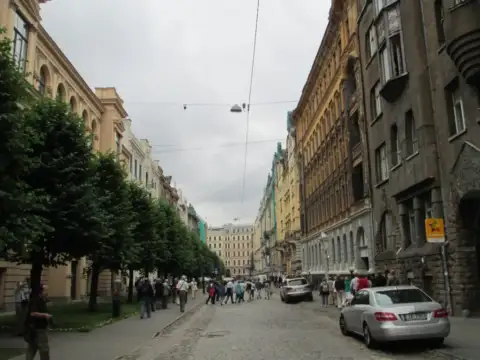
An Old Town base is convenient for the market, but historic charm can come with cobbles, thresholds, stairs, and street noise. Ask where reception is located and whether the elevator is reachable without steps. Check the bathroom configuration if a walk-in shower or other feature is essential. A property can be welcoming without providing every access feature an individual traveler needs.
A hotel near the edge of the Old Town can make taxi access and transfers simpler while keeping evening outings manageable. Accommodation toward the Quiet Centre may appeal if architecture and a quieter setting are priorities, but compare the return from the Christmas market after dinner. A location that feels pleasant on a mild afternoon may feel less convenient at the end of a cold evening.
Before booking, map the actual entrance to Dome Square and to Alberta Street. Do not rely on a general central-area boundary. Ask the hotel which route it recommends in winter and whether nearby transport would reduce the effort. Breakfast on site, luggage storage, and a place to dry footwear can make a significant difference over a short stay.
A three-night plan that separates architecture from evening browsing
| When | Main focus | Gentler adjustment |
|---|---|---|
| Arrival evening | Dome Square orientation and dinner | Keep the first market visit brief |
| First full morning | Old Town streets and one indoor attraction | Choose a small area near the hotel |
| First full evening | Market shopping and a seated meal | Browse before the busiest period |
| Second full day | Alberta Street and an Art Nouveau museum decision | Use transport for one direction |
| Departure | Breakfast and an unhurried transfer | Finish shopping and packing the day before |
Arrival evening: get to know Dome Square
After checking in, make a short orientation outing toward the market. Use daylight if available to understand the final turns and identify a straightforward route back. At Dome Square, pause away from the main pedestrian flow and agree on a meeting point if traveling with another person. A specific doorway or corner is more useful than a vague instruction to meet near the tree.
Browse without trying to buy every gift immediately. Notice the stall locations and objects that interest you, and ask the seller before photographing their work. Have a warm drink if you want one, but plan a real seated dinner. Standing outdoors with several bags after a travel day can become tiring long before the atmosphere loses its appeal.
Keep the first outing short enough that returning tomorrow feels inviting. A hotel break is not lost sightseeing time; it allows you to enjoy the next day with fresh attention. If the weather is unpleasant, take dinner as the main event and leave the market for the following afternoon. Three nights provide room to make that choice.
First full day: an Old Town morning with an indoor focus
Explore a manageable part of the Old Town in daylight. Choose a route around buildings and squares that interest you, with a café already in mind. Looking carefully at a small number of façades can be more rewarding than trying to follow a long landmark list while checking a phone at every turn. Leave towers and extended climbs optional.
Select one cultural attraction and confirm its current hours, access route, ticket arrangements, and any temporary closures. An indoor visit should contribute something you want to learn, rather than serving only as a place to escape the weather. Give it enough time, then have lunch before deciding whether to continue walking or return to the hotel.
In the afternoon, rest, put away purchases, and check the evening program. Return to Dome Square for the shopping you postponed, knowing which items genuinely appeal to you. This is a good time to compare materials, ask where objects were made, and consider how they will fit into your luggage. A deliberate purchase is more satisfying than buying something simply because your hands are cold and you want to finish.
Have dinner nearby rather than crossing the city for a reservation that adds little to the trip. If you have dietary or access requirements, explain them when booking. A restaurant’s attractive façade does not reveal its steps, restroom arrangement, or menu flexibility. Clear questions before the visit reduce uncertainty when you are already tired.

Second full day: see Art Nouveau in useful daylight
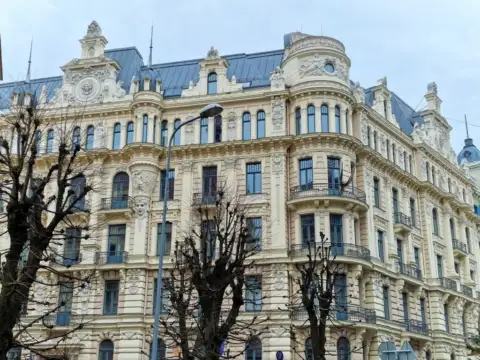
Reserve the better daylight period for the architecture around Alberta Street. Latvia’s national tourism board describes the street as an important concentration of Art Nouveau buildings. The pleasure is in looking at details and comparing neighboring façades, not in covering a large distance. Start with a short section and allow time to stop safely.
Look upward only after checking where you are standing. Move out of doorways, crossings, and the path of other pedestrians before studying ornament or taking photographs. If you use a mobility aid or find uneven surfaces difficult, choose stable stopping points and have a companion describe higher details. Architecture can be appreciated through conversation and careful observation as well as photography.
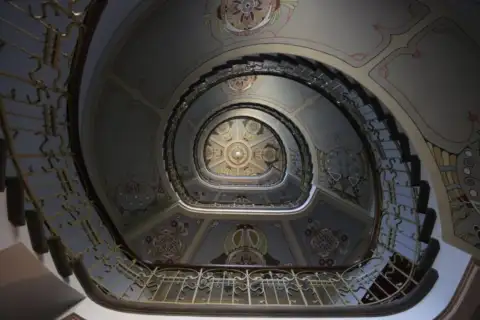
The Riga Art Nouveau Centre provides an indoor option at Alberta iela 12. Check its current visitor information, entrance, stairs, exhibition arrangements, and opening day directly. Do not assume that being located in a historic apartment building means it offers the access arrangement you require. The street itself remains an option if the interior visit is unsuitable.
Use a nearby lunch or café stop to separate the architecture from the journey back. Take transport or a taxi for one direction if that leaves more energy for looking at the buildings. There is no obligation to turn a focused architectural visit into an extended walk through every surrounding street. A compact outing with time to notice details is the point.
Return to the hotel before the final evening. Pack fragile objects and check the airport or station transfer while there is still time to ask for help. If you go out again, choose the place you most enjoyed rather than adding a new district. Familiar routes make a relaxed final evening easier, particularly when darkness and weather reduce visibility.
Winter comfort: wind, paving, and the pace of the day
Dress for standing and browsing as well as walking. The warmth generated on a brisk transfer can disappear during a slow market visit. Use familiar footwear with traction suitable for the conditions, keep gloves accessible, and take breaks before discomfort becomes the main feature of the outing. Wet clothing deserves attention even if the temperature is not extreme.
Do not equate a short route with an easy one. Cobbles, crossings, crowds, and time spent standing can make a small circuit tiring. Build the day around seated meals and known warming places. A café may have steps or limited seating, so keep an alternative rather than relying on a single location from an old recommendation.
For companions with different energy levels, agree on a meeting place and time before splitting up. Share the hotel address and a way to get back independently. A traveler with limited vision may prefer repeating a known route after dark rather than improvising a shortcut. Make the plan around those practical needs without treating them as an inconvenience.
Food, gifts, and sensible spending
Use the market as an opportunity to sample, but keep regular meals in the budget. Ask about ingredients and preparation when a dietary restriction matters. A traditional name or a familiar appearance does not establish whether a dish is suitable. If a stall cannot answer a necessary question, choose somewhere that can rather than relying on a guess.
Ask how a cup or container deposit works before ordering. Check whether a return must be made at the original stall and whether a token or receipt is required. Keep a payment card and some small cash available, but confirm what is accepted at the point of purchase. Avoid carrying more shopping than you can manage comfortably through a crowded square.
For gifts, consider maker, materials, packing, and the recipient rather than only the seasonal setting. Small textiles or decorations may travel more easily than breakable or perishable objects, depending on your luggage. Check food-import rules for your destination before buying edible gifts. A seller’s assurance that something is a popular souvenir does not replace the rules at the border.

How to handle a wet or tiring day
Keep a short alternative itinerary: one confirmed indoor attraction, a proper lunch, and a brief market visit if conditions improve. That plan can replace the Art Nouveau walk or a longer Old Town circuit without making the day feel empty. Do not respond to bad weather by stacking every missed outdoor stop onto the following morning.
If the architectural district is a priority, move it to the better weather window and reduce another activity. If the market is the priority, conserve energy during the day and visit for a shorter period in the evening. Ranking interests in advance makes these decisions easier. The trip works best when its strongest experience has room to breathe.
Check your final transfer the day before leaving and account for the walk from the hotel to the pickup or stop. Keep tickets and accommodation details available offline. A small reserve of time and money for the easiest transfer can protect the final morning from becoming unnecessarily stressful.
Look carefully without turning architecture into a race
For an architectural walk, choose a small number of buildings to compare instead of collecting dozens of photographs. Notice the contrast between windows, doorways, sculptural details, and the overall rhythm of a façade. You do not need specialist vocabulary to enjoy those differences. A good question to ask a guide is what to look for on this particular street, rather than asking for an exhaustive history of the entire city.
If you book a guided visit, explain the pace you want and ask whether the route can avoid unnecessary stairs or long periods standing in exposed places. A guide who understands the group’s needs can help make the architectural details legible without rushing. Confirm the meeting point, duration, cancellation terms, and whether any interior admission is included. An exterior walking tour and a museum visit are separate experiences unless the provider explicitly combines them.
Leave time afterward to look again at one building that interested you. This second, unhurried look can be more rewarding than adding another district. Then stop for lunch and decide whether to walk back or use transport. The day should end with enough energy for the market atmosphere, not with the feeling that every photograph came at the cost of a cold, uncomfortable journey home.
Frequently asked questions
Can I combine Riga’s market and Art Nouveau district in one weekend?
Yes. Give the market its own evening sessions and reserve daylight for a focused architectural outing. Three nights provide room for both plus an indoor attraction and breaks. Avoid treating the two areas as one continuous winter walk.
Where is the Christmas market covered by this guide?
The official listing places it in Dome Square in the Old Town. Check the current calendar and individual program before visiting. Other seasonal activities may have different locations and operating arrangements.
Do I need a rental car?
No car is required for this central itinerary. Plan the airport or station transfer, use current public transport guidance, and consider a taxi when luggage or fatigue makes it helpful. A good hotel location matters more than parking.
Is the airport bus ticket the same as every other city ticket?
Check the operator’s current information rather than assuming all purchase options are identical. Bus 22 has specific guidance, including onboard arrangements. Decide on the ticket before boarding and confirm how it must be validated.
Is the Art Nouveau Centre suitable for every visitor?
Suitability depends on your interests and access needs. Contact the museum about its present entrance and internal arrangements before booking around it. A street-level look at the district can still be rewarding if the interior is not appropriate for you.
Should I expect snow?
No particular weather condition is guaranteed. Choose Riga for its architecture and city experience, prepare for damp and cold conditions, and keep an indoor alternative. Snow may add atmosphere, but it can also change the walking conditions.
Conclusion
Riga’s Christmas market and Art Nouveau streets make a strong winter pairing when each receives its own time. Choose accommodation that supports easy returns, use transport selectively, and leave the best daylight for architecture. A few thoughtful outings, warm meals, and current practical information can produce a richer weekend than an ambitious route that leaves no space to stop and look.
Sources and further reading
- Riga Christmas Market organizer: 2026–2027 dates and current program
- Riga Airport: bus 22 and public transport guidance
- Latvia Tourism: Alberta Street and Art Nouveau architecture
- Latvia Tourism: Riga Art Nouveau Centre visitor overview
Sources reviewed: 2026-10-28.
Featured photo: Aerial view of Riga in October 2017 (archive photograph) — Aleksejs Bergmanis · Original photo · CC0. Resized and JPEG-compressed; archive photograph, not a representation of the 2026 market layout or weather.
