

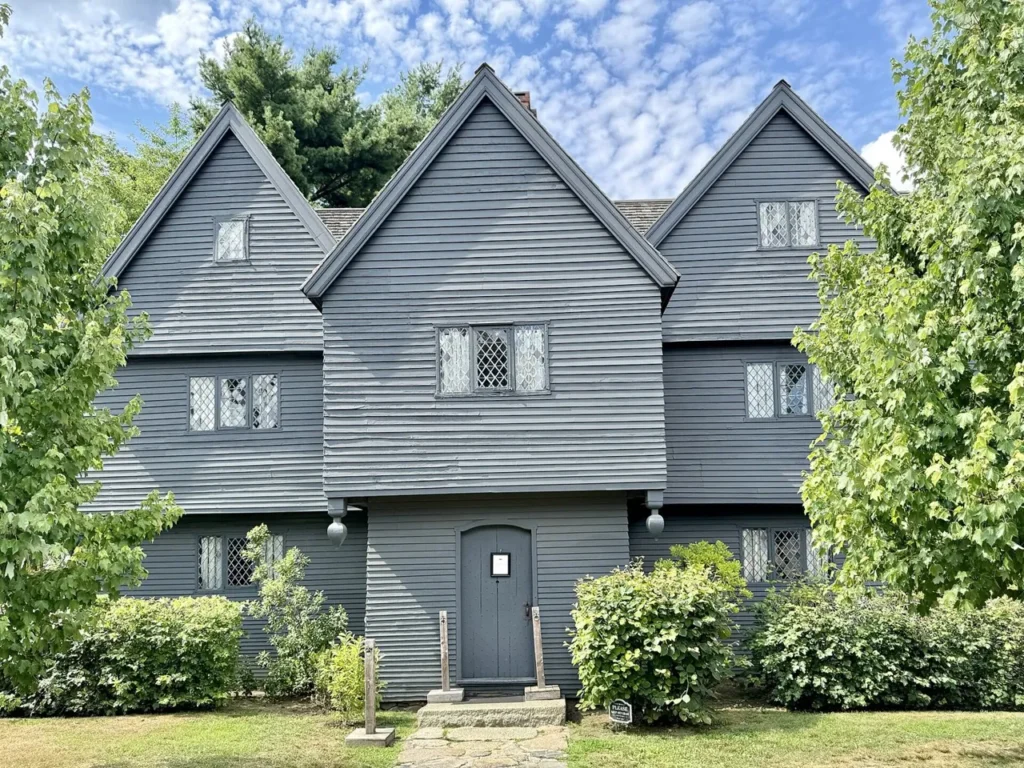

The simplest Salem day trip from Boston is usually commuter rail from North Station, followed by a walk through downtown and the maritime waterfront. A seasonal ferry offers a different journey, but the two services use different departure points in Boston and different arrival points in Salem. Choose one main museum or tour, keep lunch flexible and avoid treating every attraction as essential. October is a special case: crowd levels, timed tickets and event schedules can shape the entire day.
MAKE YOUR BASE
Boston; no hotel move needed
BEST TIME TO GO
Spring, summer or September for a calmer visit; October for Halloween events
GETTING AROUND
Commuter rail or seasonal ferry; walking in Salem
Morning: Arrive and choose one anchor attraction
Check the MBTA journey for your date, including weekend work and any special October service. Once in Salem, walk toward the downtown core and orient yourself around Essex Street. Choose a museum, historic house or guided history tour in advance according to your interests. Avoid booking two overlapping experiences because a queue or delayed train can quickly make the day stressful. The waterfront and streets also provide worthwhile context without requiring a paid stop at every block.

Midday: Downtown, lunch and the waterfront
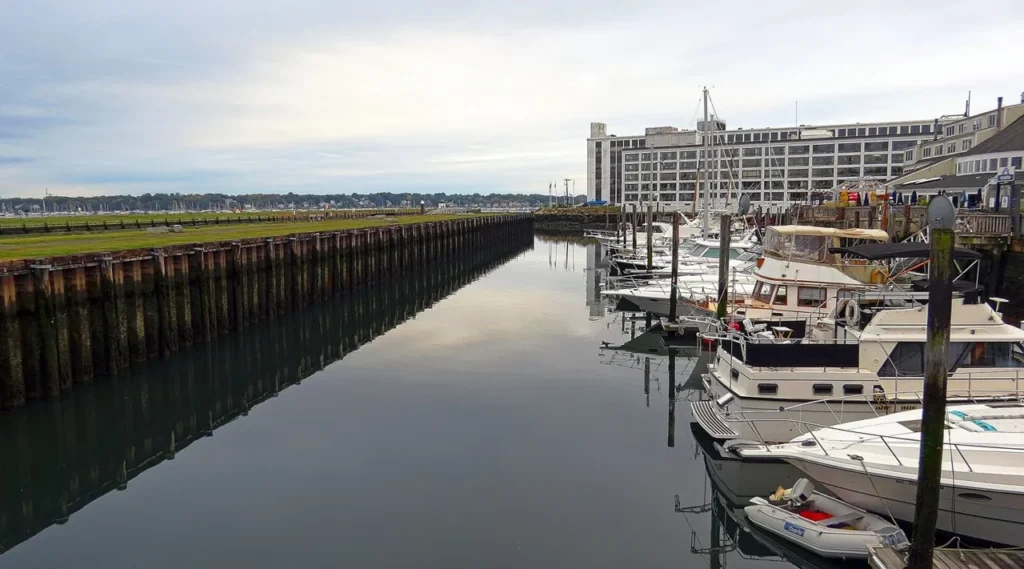
Allow a proper break between the main attraction and the waterfront. Walk toward Derby Street and the Salem Maritime area, adjusting the distance for weather and your energy. Historic Salem includes trade, architecture and maritime history alongside the witch trials. Treat the trials respectfully rather than presenting them only as entertainment. If crowds are heavy, simplify your route and eat before or after the busiest lunch period.
Afternoon: One optional stop and a planned return
Use the afternoon for a second attraction only if you still have time and interest. Otherwise explore the harbor area and return toward the station with a buffer. The ferry docks at Blaney Street, not beside the commuter-rail platform, so include the walk or local transfer when comparing return options. A different outward and return mode can work, but tickets and terminals need to be planned separately.

Good to know before you go
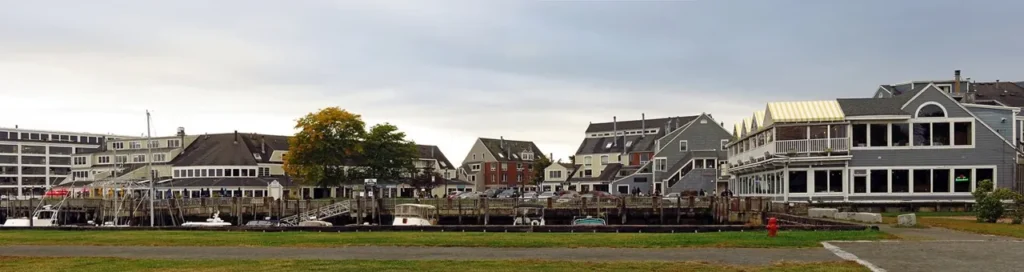
The train is the more straightforward default for a year-round plan; the ferry is a seasonal coastal experience that can be affected by wind. Neither guarantees a crowd-free October arrival. Download tickets, verify the last return service and keep a later train option where the timetable allows. Comfortable shoes help, but “walkable” does not mean every surface is smooth or every historic building has step-free access. To reduce walking, cluster paid attractions near downtown rather than crossing town repeatedly.
For the wider regional plan, use the New England travel hub. Compare nearby options in the Massachusetts travel guide.
Choose a Salem theme before buying tickets
Salem is easier to enjoy when you decide what kind of history you want to explore. The witch trials are one part of the city’s identity; maritime trade, architecture and art offer other ways into the place. A first visit can combine one substantial indoor experience with central streets and the waterfront. Trying to include every attraction with witch in its name can create an expensive day of queues and overlapping material.
For an art-and-maritime version, make the Peabody Essex Museum the anchor and leave a generous window for the collections that interest you. For a trial-history version, compare the interpretation and format of individual attractions before reserving. The seventeenth-century events and the later commercial imagery surrounding them are different subjects. Read the attraction’s own description so the experience matches your expectations. After the anchor visit, give yourself time to absorb the city rather than rushing straight to another ticketed presentation.
Put the station and waterfront on the same realistic route
On arrival, orient yourself before joining the busiest flow of visitors. Save the station location, your first attraction and your preferred return service on the same map. Plan a central walking route that ends conveniently for the departure you actually intend to use. A ferry arrival creates a different starting point from a train arrival, so do not reuse a rail walking route without adjusting it.
Keep the day bag small enough to carry comfortably through galleries and shops, and check the bag rules of any booked attraction. If your return ticket or timetable is stored on your phone, keep enough battery for the journey home. Build the final hour around the station approach rather than another timed visit. This is especially useful after a long museum afternoon, when the temptation is to assume that a compact center means every connection takes only a few minutes.
Treat October as a different planning problem
A normal summer or spring excursion and an October Salem visit need different expectations. During the Halloween season, crowd management, reserved admissions and transport demand may shape the day more than your preferred sightseeing order. Consult current official visitor guidance for the specific date. Do not assume that a service or attraction schedule from a quieter month applies to a major event weekend.
If the atmosphere of October is the main reason for going, simplify the cultural itinerary and leave room for the crowds themselves. If your priority is a thoughtful museum-and-history day, consider another season when that fits your schedule. A weekday can help with some pressures but should not be treated as a guarantee of empty streets. Book the attraction that matters most, identify a flexible lunch option and accept that you may need to skip an appealing extra rather than spend the whole visit waiting.
Make room for food, rest and an indoor alternative
Choose lunch near the part of town you will already be exploring. Walking back across the center for a specific restaurant can consume the free time between reservations. If there is a restaurant you are determined to try, make its location part of the route from the beginning; otherwise, keep two workable options and decide according to queues. A seated meal also gives you a useful break from a day that can accumulate more walking than expected.
For rain, extend the main museum visit or substitute another suitable indoor attraction instead of trying to preserve every outdoor stop. A waterproof layer is more useful than relying on shop doorways during showers. For limited mobility, check the actual museum entrances, surfaces and restroom arrangements. Historic streets and buildings vary, so a short route through the center is not automatically step-free. Choose the portions that suit you and use a taxi for a connection if that preserves energy for the main visit.
Decide whether a second destination really improves the day
Combining Salem with another North Shore town may look efficient on a regional map, but the onward journey uses time you could spend inside an attraction. A train connection, station walk, lunch and return trip can turn a second town into little more than a photograph. For a first Salem visit, staying in one destination usually provides a clearer and more satisfying day.
If you have already explored Salem and want a shorter return visit, choose the one attraction you missed and plan the rest around the current train schedule. For a broader North Shore holiday, use separate days for Salem and Cape Ann rather than treating them as interchangeable stops. Returning to Boston before dinner is also a valid choice: it gives you an evening near your accommodation and removes the pressure to fill the day simply because you have traveled out of the city. The useful measure is the quality of the visit, not how late you return.
A museum-first version and a history-first version
For a museum-first day, go directly to the Peabody Essex Museum after orienting yourself from the station. Leave lunch and the waterfront for afterward so an engaging exhibition can take longer without affecting a second ticket. This version particularly suits visitors whose interest in Salem extends to maritime trade and global art. Check whether a special component of the visit has separate entry arrangements before assuming it is included in a general admission.
For a history-first day, choose one well-described interpretive attraction or guided experience, then use the central streets to place it in context. Keep the museum as an optional future visit rather than a rushed final hour. These versions answer different interests and should not be combined automatically. If you are traveling with mixed interests, agree on the main anchor and leave a flexible interval for a shorter independent look at shops or public streets before meeting for the return journey.
Budget for this route
October 2026 planning worksheet in US dollars: these are editorial spending allowances, not surveyed hotel rates, live quotes or guaranteed ticket prices. Price your actual dates before committing; peak weekends can exceed the room allowance.
| Item | Allowance | What to check |
|---|---|---|
| Meals, per adult per day | $45–$80 | Casual meals; alcohol and gratuities extra |
| Activities, per adult per sightseeing day | $20–$60 | An allowance, not the price of a specific ticket |
| Local transport, per adult per day | $15–$45 | Intercity rail, ferries and private transfers extra |
For two adults sharing transport, the illustrated sightseeing-day spending is $80–$185 per adult, before lodging and the exclusions above. No hotel is included in this day-trip estimate. Multiply nights and sightseeing days separately; arrival days need their own meals and transfers.
Price the expensive transport first: quote the actual train or ferry departure and both ends of every private transfer. A low rail fare can be outweighed by a rural taxi journey.
What to book, and in what order
Choose one must-see museum or guided tour and check its ticket calendar before choosing an outbound train.
Next, confirm cancellation deadlines and the time you must report for any timed entry or departure. Leave meals and unbooked village stops flexible. Save tickets offline and avoid scheduling a non-refundable connection immediately after a weather-dependent outing.
Access, walking and places to pause
Historic streets can involve uneven paving; select one indoor anchor and a compact waterfront segment rather than a full walking circuit.
Before buying, ask the chosen venue for the entrance-to-main-attraction walking distance, surface and slope, stair count, working elevator or ramp, nearest restroom and seating on the actual route. For low-vision travelers, ask about audio description, large-print information and assistance locating the entrance. These are questions to confirm, not a claim that every listed service is available. Arrange a seated break after the main visit and keep an indoor alternative close to the overnight base.
Getting from your arrival point to the sights
Salem station serves the city center; map the hotel-to-Boston-terminal leg as well as the Salem arrival walk.
Save the exact pickup address and the provider’s contact details offline. Check the final return service before leaving the center; a map pin for a town is not a station exit or attraction entrance. If a ride is essential, confirm its availability and cost before making the reservation that depends on it.
Short on time? Keep these stops
Keep a museum, a town-center lunch and a brief harbor visit.
Drop a second ticketed attraction before cutting the buffer for the return train.
Check actual prices, calendars and access
Printable trip checklist
Salem Day Trip from Boston Without a Car
Use your browser’s print dialog to print the checklist or save a PDF. Fill in your own travel dates, reservations and quoted costs on the printed copy.
Overnight base: Boston; no hotel move needed
Travel dates: ____________________ Booking references: ____________________
- Morning: Arrive and choose one anchor attraction — Check the MBTA journey for your date, including weekend work and any special October service.
- Midday: Downtown, lunch and the waterfront — Allow a proper break between the main attraction and the waterfront.
- Afternoon: One optional stop and a planned return — Use the afternoon for a second attraction only if you still have time and interest.
Area map links
Open these links in a saved PDF; on paper, use the place and state names to look them up. These are area searches, not verified entrances or turn-by-turn routes.
Before leaving
- Choose one must-see museum or guided tour and check its ticket calendar before choosing an outbound train.
- Salem station serves the city center; map the hotel-to-Boston-terminal leg as well as the Salem arrival walk.
- Historic streets can involve uneven paving; select one indoor anchor and a compact waterfront segment rather than a full walking circuit.
- Record each paid ticket, final admission time, cancellation deadline and return departure.
- Confirm hotel nights, lodging taxes, meals, local transport and the total quoted trip cost.
- Save tickets, attraction entrance addresses and return pickup contacts offline.
- Check weather, service alerts and closures before the first outing.
Shorter version
Keep a museum, a town-center lunch and a brief harbor visit. Drop a second ticketed attraction before cutting the buffer for the return train.
Confirmed bookings / access arrangements: ________________________________________
Return service / pickup: ________________________________________
Actual budget total: ________________________________________
FIND YOUR WAY
Orient your trip
Markers show the areas discussed, not exact entrances. Follow the article’s day order and check local access before traveling.
The map loads when you choose to open it. You can also use the direct place links below.
Approximate locations for orientation. Check official station, attraction and ferry-terminal directions for your arrival. Interactive maps use Leaflet and OpenStreetMap.
THE PRACTICAL DETAILS
Frequently asked questions
Where does the Boston train leave?
The Newburyport/Rockport commuter-rail service uses Boston North Station. Check the actual train and destination before boarding.
Is the Salem ferry available all year?
No. It is seasonal. Check the operator’s current calendar and weather notices before making it the only return option.
How many attractions should I book for one day?
One substantial anchor is a sensible start, with a second only if its duration and location fit comfortably. Allow time for lunch, central streets, the waterfront and the station walk. Several timed tickets can make a simple day trip inflexible, particularly when a queue or a longer-than-expected museum visit affects everything that follows.
Is Salem worthwhile if I am not interested in Halloween?
Yes. Plan around art, maritime history and the historic center, and choose a date that supports those interests. The city’s identity extends beyond seasonal Halloween events. An art-focused visitor may prefer a longer museum visit and a short waterfront walk to several themed attractions that cover material they do not especially want.
Should I use a walking tour or explore independently?
A tour can help when you want a coherent account of a particular subject, provided the duration and meeting point suit your day. Independent exploring gives more control over rest and museum time. Compare the actual focus of the tour rather than assuming every Salem walk tells the same story or includes entry to attractions.
Can I return to Boston by a different mode of transport?
A seasonal ferry in one direction and a train in the other can work when the calendars and terminals fit. Verify both journeys separately, including the final departure and any weather-related changes. Keep enough time to cross town, and do not assume a ticket for one operator covers the other service.
What should I cut if I arrive late?
Keep the attraction you most wanted to visit and shorten the unstructured shopping or waterfront portion. Avoid buying another admission to compensate for the lost morning. Check the return timetable before beginning the visit so you know how much usable time remains, especially if you have evening commitments back in Boston.
Official sources & current travel information
Use the official information below for current operating dates, reservations, access details and transport changes. Journey times in this guide are approximate planning allowances, not live predictions.
- Destination Salem: transport
- Destination Salem: seasonal ferry
- MBTA Commuter Rail schedules and alerts
Guide prepared October 23, 2026. Recheck time-sensitive arrangements for your travel dates.