

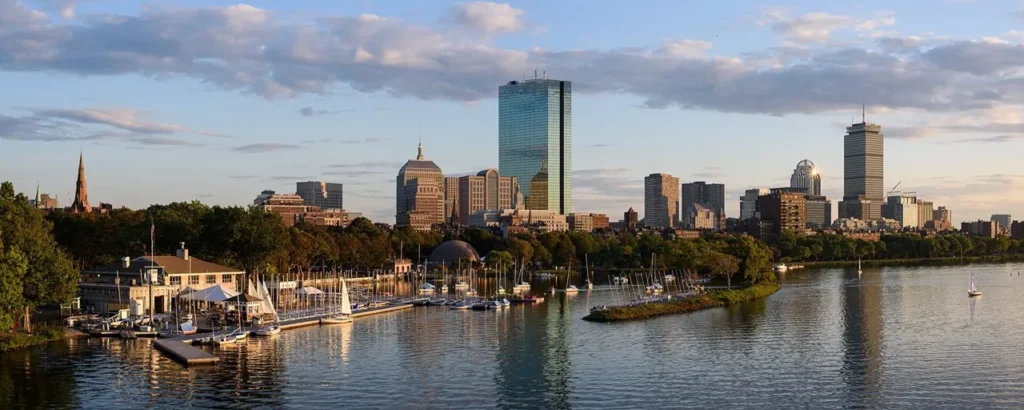

A practical seven-day New England trip without a car can use Boston as a four-night base and Portland as a two-night base, with Salem visited from Boston. The key is to travel along a working rail corridor instead of trying to imitate a rural road trip. You can enjoy history, museums, harbors and food while leaving the White Mountains and remote Maine coast for another visit. The Downeaster connects Boston North Station and Portland, but Portland’s station is outside the Old Port, so budget for a local transfer.
MAKE YOUR BASE
Boston 4 nights; Portland 2
BEST TIME TO GO
Spring–fall; year-round city alternative with weather adjustments
GETTING AROUND
MBTA, Downeaster, walking and local bus or taxi
Days 1–2: Get to know Boston
Choose a hotel near a useful subway connection and leave luggage there before sightseeing. Divide the historic core and waterfront across two days instead of combining every neighborhood. The Freedom Trail is a route rather than a single attraction: cobbles, curbs and the cumulative distance can be tiring. Use buses, the subway or a taxi to reduce walking and keep one indoor activity available for poor weather.

Day 3: Salem by commuter rail
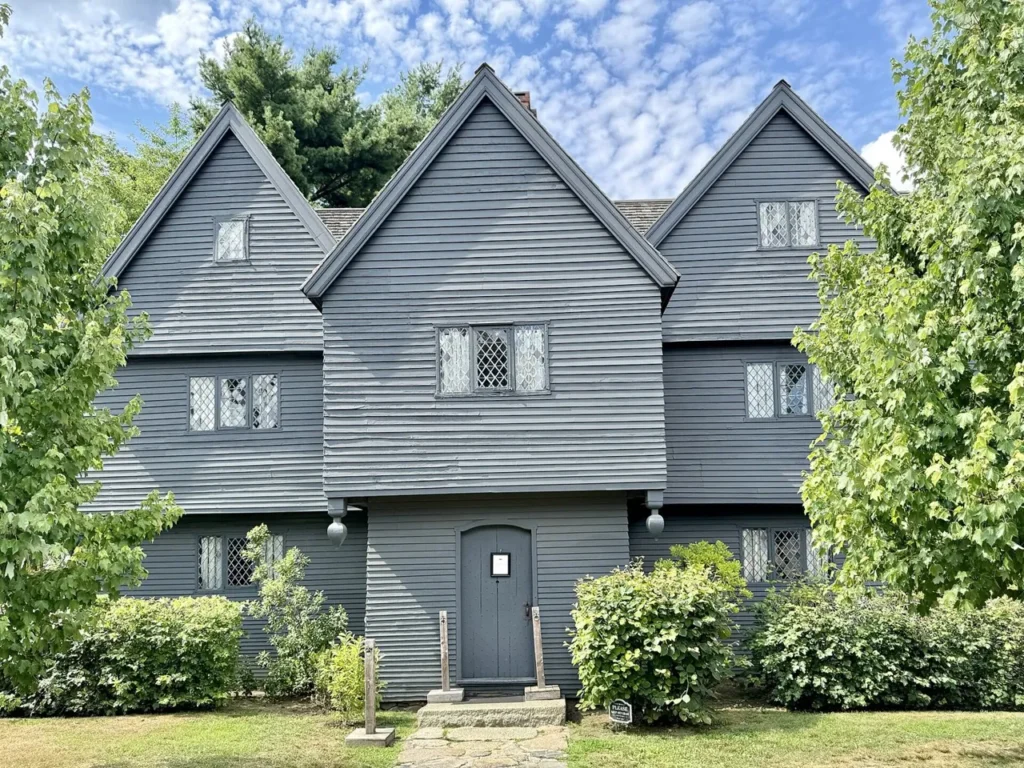
Take a scheduled Newburyport/Rockport Line train from North Station to Salem. Check the exact branch and any construction alerts. From Salem station, plan a compact route through downtown to the maritime waterfront, with one main paid attraction. October crowds can transform the experience; select a quieter month if witch-themed events are not your main interest. Return to the same Boston hotel rather than moving luggage for a day trip.
Day 4: A flexible Boston day
Use the remaining day for an art museum, Cambridge or a neighborhood you missed. This buffer is useful if weather forced changes earlier. Check your Downeaster departure for tomorrow and arrange luggage so the transfer day is easy. If arriving in Boston by Amtrak from the south, remember that South Station and North Station are separate terminals with no direct through train.
Day 5: Ride the Downeaster to Portland
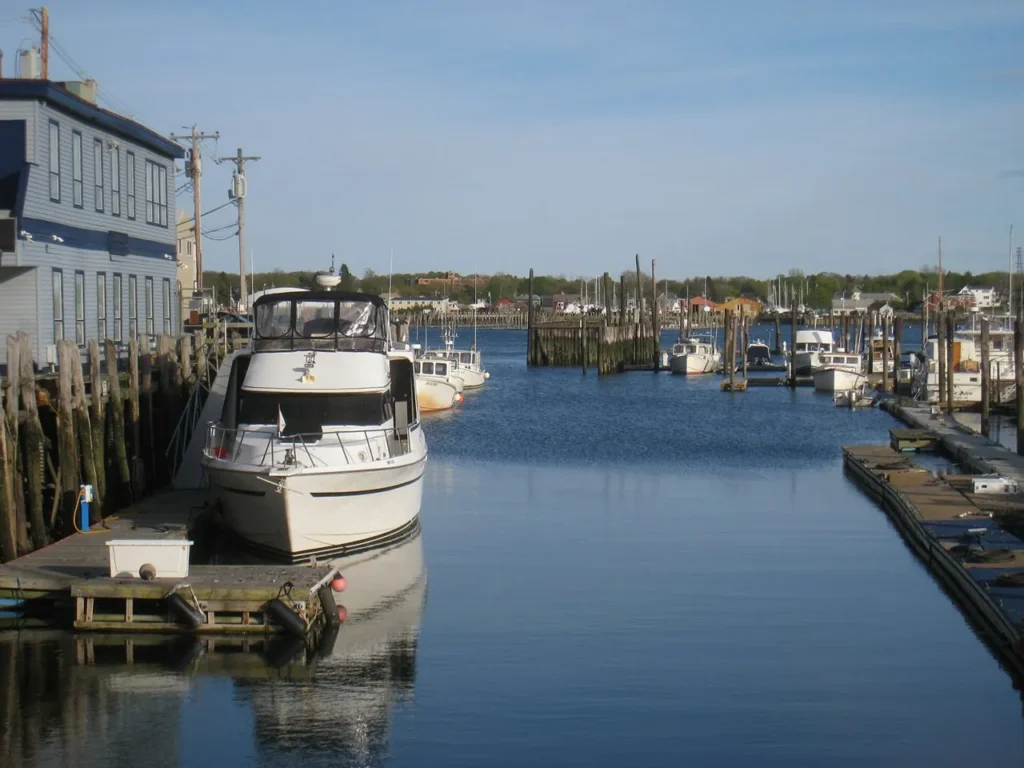
Allow about two and a half hours on the train, subject to the current timetable. Enjoy the changing towns and river crossings without expecting continuous ocean views. At Portland Transportation Center, use the listed local bus connection or a taxi to your hotel. Keep the afternoon in the Old Port. A lighthouse tour can wait; Portland Head Light is outside central Portland and needs separate transport.
Day 6: Portland at a slower pace
Combine the waterfront, Arts District and a meal you have booked in advance if necessary. A harbor trip can add variety when conditions and schedules cooperate. If choosing an excursion, confirm its departure pier rather than assuming all boats leave from the same place. Stay downtown for the second night so you do not need to negotiate a station transfer late in the evening.
Day 7: Return or continue
Return to Boston on a reserved Downeaster train or arrange an onward departure from Portland. Leave a substantial buffer before any flight or separately booked rail journey. If your flight from Boston is early, return the previous evening and make this a five-night version. Buying train tickets does not automatically include city buses, taxis or a hotel transfer.

Good to know before you go
Book the long-distance rail segment and lodging before filling the smaller sightseeing slots. Compare the cost of a hotel near the attractions with the cumulative cost of taxis from an outlying property. Ask stations and operators about step-free boarding and assistance if needed; a car-free itinerary can still include long walks or difficult surfaces. Save tickets offline, check the final return train and carry a small overnight bag you can manage without checked baggage.
For the wider regional plan, use the New England travel hub.
Treat the railway corridor as the framework of the holiday
A successful car-free itinerary starts with a line of useful services, not a list of places that happen to be famous. Boston, Salem and Portland belong together because you can stay in the cities, make a simple excursion and move north along the Downeaster corridor. Your hotel locations and station transfers matter just as much as the intercity train itself. Getting those right removes the need to improvise a difficult last mile with luggage.
Put the actual rail journey into your plan before choosing sightseeing reservations. Check the station name, travel date and whether an itinerary includes a replacement bus or another operator. A service that looks attractive on a generic route map may not depart at a useful time for your particular day. Keep Salem as an excursion from the Boston base, then move bags only once for Portland. That arrangement saves a hotel change and means that a delayed day trip does not also become a missed check-in or an uncertain late-evening transfer in another town.
Select hotels by the journey you will make every day
In Boston, consider access to both your sightseeing areas and North Station rather than concentrating only on one landmark. A hotel near a useful subway route may provide a better balance than a costly waterfront address. Ask about luggage storage, the step-free entrance and the actual walking route from transit if these details affect your comfort. A short distance on a map can still involve stairs, slopes or a complicated interchange.
For Portland, prioritize the Old Port, Arts District or another location that suits your daily activities. Portland Transportation Center is not the historic waterfront, so a hotel next to the station is not automatically the most convenient sightseeing base. Compare the cost of a central room with repeated local transfers from farther out. If you expect to use taxis occasionally, include those in the budget rather than treating them as evidence that a car-free trip has failed. A well-chosen short transfer can save energy for the part of the day you actually came to enjoy.
Make the city days manageable instead of walking continuously
Boston is easy to overfill because several historic names appear close together. Break the visit into neighborhoods and choose which interiors you want to see, rather than walking an entire named trail simply to complete it. Have lunch in the area you are already exploring and use public transport or a taxi when the next stop would create a tiring cross-city walk. Keep one museum or other indoor choice for the weather buffer day.
In Salem, decide whether the central theme is the witch-trial history, maritime heritage or an art museum. One of these can anchor the excursion while the other subjects appear in a shorter street-and-waterfront walk. In Portland, separate central sightseeing from a Cape Elizabeth lighthouse outing. The latter is an additional transport decision, not a natural extension of every downtown walk. Plan a seated break before dinner and remember that cobbles, older pavements and waterfront wind can make a modest distance feel longer than expected. Car-free should mean less logistical stress, not an obligation to walk every connection.
Handle terminals, tickets and luggage as separate decisions
If arriving in Boston on a southbound-corridor Amtrak service, check whether you use South Station or Back Bay. The Downeaster departs from North Station, so you need a local transfer rather than staying on the same train. Leave enough time to reach the correct concourse, find the boarding information and manage your bags. Your preferred step-free route may differ from the shortest route shown by a journey planner.
Commuter rail, intercity rail, city buses and ferries do not automatically share ticket rules. Verify each segment and keep tickets available offline. Pack a bag you can lift or roll comfortably, because you may need to move it between a platform, local vehicle and hotel without checked-baggage assistance. Before booking a large suitcase into the plan, read the applicable operator’s baggage information. If you need boarding assistance, arrange it through the operator rather than relying on a note in the hotel reservation. Keep the address of the hotel and the station in an easily accessible format as well as in a navigation app.
Use the flexibility days and budget for disruption
The fourth Boston day is useful because it absorbs a wet afternoon, a museum closure day or a late initial arrival without dismantling the itinerary. Avoid filling it with a distant excursion as soon as you see an empty space in the plan. In Portland, a two-night stay provides one full day even if the rail arrival occupies much of the previous morning. A third night would buy more breathing room, not merely another attraction.
Compare the whole car-free cost with a driving version, including hotel parking and unused rental days on the latter. The train trip may still involve local taxis, a paid excursion or a ferry ticket, and those are legitimate parts of the budget. For a flight from Boston on the final day, assess the consequences of a delayed train. If the flight is important or early, return to Boston the previous evening. Save a backup transport option and a little discretionary money for disruption, while recognizing that no operator can guarantee a perfect connection to a separately booked flight.
Budget for this route
October 2026 planning worksheet in US dollars: these are editorial spending allowances, not surveyed hotel rates, live quotes or guaranteed ticket prices. Price your actual dates before committing; peak weekends can exceed the room allowance.
| Item | Allowance | What to check |
|---|---|---|
| Room, per night for two adults | $170–$320 | Before lodging taxes; use your actual overnight count |
| Meals, per adult per day | $45–$80 | Casual meals; alcohol and gratuities extra |
| Activities, per adult per sightseeing day | $20–$60 | An allowance, not the price of a specific ticket |
| Local transport, per adult per day | $15–$45 | Intercity rail, ferries and private transfers extra |
For two adults sharing transport, the illustrated sightseeing-day spending is $80–$185 per adult, before lodging and the exclusions above. Add $85–$160 per adult for each shared-room night, before tax. Multiply nights and sightseeing days separately; arrival days need their own meals and transfers.
Price the expensive transport first: quote the actual train or ferry departure and both ends of every private transfer. A low rail fare can be outweighed by a rural taxi journey.
What to book, and in what order
Book the Boston and Portland hotel nights around the Downeaster departures; reserve any timed Salem attraction separately.
Next, confirm cancellation deadlines and the time you must report for any timed entry or departure. Leave meals and unbooked village stops flexible. Save tickets offline and avoid scheduling a non-refundable connection immediately after a weather-dependent outing.
Access, walking and places to pause
Arrange Amtrak assistance for the actual stations and use shorter Salem museum visits to break up pavement walking.
Before buying, ask the chosen venue for the entrance-to-main-attraction walking distance, surface and slope, stair count, working elevator or ramp, nearest restroom and seating on the actual route. For low-vision travelers, ask about audio description, large-print information and assistance locating the entrance. These are questions to confirm, not a claim that every listed service is available. Arrange a seated break after the main visit and keep an indoor alternative close to the overnight base.
Getting from your arrival point to the sights
Portland Transportation Center is outside the Old Port; use the official station page to check METRO Route 1 or arrange a taxi.
Save the exact pickup address and the provider’s contact details offline. Check the final return service before leaving the center; a map pin for a town is not a station exit or attraction entrance. If a ride is essential, confirm its availability and cost before making the reservation that depends on it.
Short on time? Keep these stops
For four days, keep Boston with one Salem day and return to the same hotel.
Remove the Portland hotel move if the available days include long flights or train journeys.
Check actual prices, calendars and access
Printable trip checklist
New England Without a Car: A 7-Day Boston, Salem and Portland Itinerary
Use your browser’s print dialog to print the checklist or save a PDF. Fill in your own travel dates, reservations and quoted costs on the printed copy.
Overnight base: Boston 4 nights; Portland 2
Travel dates: ____________________ Booking references: ____________________
- Days 1–2: Get to know Boston — Choose a hotel near a useful subway connection and leave luggage there before sightseeing.
- Day 3: Salem by commuter rail — Take a scheduled Newburyport/Rockport Line train from North Station to Salem.
- Day 4: A flexible Boston day — Use the remaining day for an art museum, Cambridge or a neighborhood you missed.
- Day 5: Ride the Downeaster to Portland — Allow about two and a half hours on the train, subject to the current timetable.
- Day 6: Portland at a slower pace — Combine the waterfront, Arts District and a meal you have booked in advance if necessary.
- Day 7: Return or continue — Return to Boston on a reserved Downeaster train or arrange an onward departure from Portland.
Area map links
Open these links in a saved PDF; on paper, use the place and state names to look them up. These are area searches, not verified entrances or turn-by-turn routes.
Before leaving
- Book the Boston and Portland hotel nights around the Downeaster departures; reserve any timed Salem attraction separately.
- Portland Transportation Center is outside the Old Port; use the official station page to check METRO Route 1 or arrange a taxi.
- Arrange Amtrak assistance for the actual stations and use shorter Salem museum visits to break up pavement walking.
- Record each paid ticket, final admission time, cancellation deadline and return departure.
- Confirm hotel nights, lodging taxes, meals, local transport and the total quoted trip cost.
- Save tickets, attraction entrance addresses and return pickup contacts offline.
- Check weather, service alerts and closures before the first outing.
Shorter version
For four days, keep Boston with one Salem day and return to the same hotel. Remove the Portland hotel move if the available days include long flights or train journeys.
Confirmed bookings / access arrangements: ________________________________________
Return service / pickup: ________________________________________
Actual budget total: ________________________________________
FIND YOUR WAY
Orient your trip
Markers show the areas discussed, not exact entrances. Follow the article’s day order and check local access before traveling.
The map loads when you choose to open it. You can also use the direct place links below.
Approximate locations for orientation. Check official station, attraction and ferry-terminal directions for your arrival. Interactive maps use Leaflet and OpenStreetMap.
THE PRACTICAL DETAILS
Frequently asked questions
Can I add Vermont without a car?
Yes, with a redesigned route and additional time. Vermont’s Amtrak services do not create a convenient direct continuation from Portland, and many rural destinations require onward transport.
Is Portland station in the Old Port?
No. The operator lists bus and taxi connections from Portland Transportation Center. Plan this transfer explicitly.
Do I need to stay near North Station for the entire Boston visit?
No. The better choice is accommodation with a workable connection to both North Station and your sightseeing priorities. Check the route with luggage and any accessibility needs. A hotel slightly farther away on a useful transit line can be more practical than a nearby room that is expensive or inconvenient for the rest of the visit.
Can I substitute a ferry for the Salem train?
During the ferry’s operating season, a boat journey can be an enjoyable alternative. Check the separate terminals, sailing date, weather policy and return time before choosing it. A mixed train-and-ferry day also works, but you must plan the walk between Salem’s arrival points and buy the appropriate tickets for each service.
How much luggage should I bring?
Aim for what you can manage through a station transfer and into a local vehicle without extra assistance. A compact rolling bag plus a small day bag is often easier than several large pieces, but your needs may differ. Verify the baggage rules for the specific train and arrange any assistance you require before traveling.
Can I visit lighthouses from Portland without renting a car?
Yes, using a suitable booked excursion, taxi or other confirmed transport, but you must plan the return as well as the outward journey. Staying within Portland’s central districts is also a complete and worthwhile day. Do not treat a lighthouse outside the city as a required test of whether the holiday was successful.
What is the best way to make the trip slower?
Keep the two bases but add a night in the one that interests you most, or remove Salem and use that day for a less structured Boston visit. Avoid adding a third overnight destination simply because there is a train station there. Fewer luggage moves usually provide more useful leisure time than another short stopover.
Official sources & current travel information
Use the official information below for current operating dates, reservations, access details and transport changes. Journey times in this guide are approximate planning allowances, not live predictions.
- Amtrak Downeaster: stations
- Downeaster: Portland station and local connections
- MBTA Commuter Rail schedules and alerts
- Destination Salem: transport
Guide prepared October 23, 2026. Recheck time-sensitive arrangements for your travel dates.