
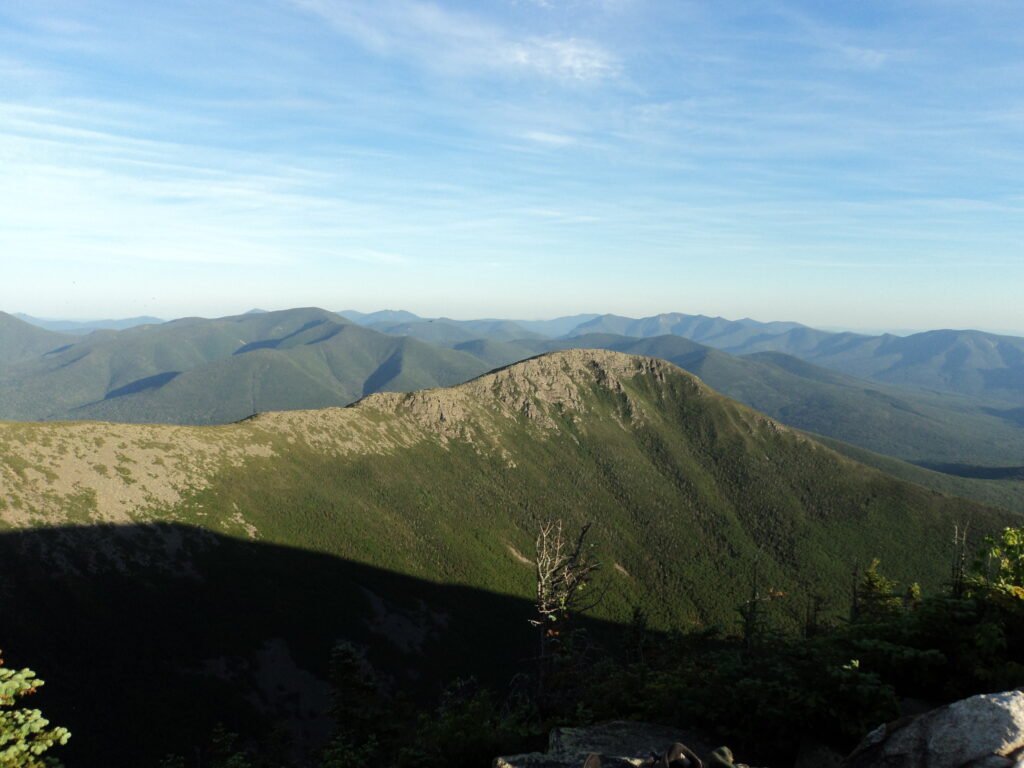
America’s fall hiking season genuinely spans four dramatically different mountain landscapes, from New England’s historic peaks to Colorado’s golden aspen groves, each offering its own distinct combination of elevation, tree species, and trail character. This guide walks through four of the country’s best fall hiking regions, checked against real research into each area’s history, peak timing, and standout trails, along with the actual biology behind why leaves change color in the first place.
What makes comparing these four regions genuinely worthwhile is how differently elevation, latitude, and tree species combine to produce such varied fall experiences within a single country. A hiker chasing peak color can realistically choose between historic above-treeline granite in New Hampshire, biodiverse Appalachian forest in Tennessee, otherworldly golden aspen groves in Colorado, or the largest protected wilderness in the lower 48 states in New York, each delivering a genuinely different sensory experience despite falling under the same broad “fall hiking” category most travelers lump together without much distinction.
New Hampshire’s White Mountains
The Great Smoky Mountains
Colorado’s San Juan Mountains
The Adirondacks
Why Leaves Change Color
Comparing the Regions
Planning Your Hike
Fall Hiking Safety Basics
FAQ
New Hampshire’s White Mountains
Genuinely home to some of the oldest hiking infrastructure in the entire country, alongside dramatic above-treeline terrain rare in the eastern United States.
The White Mountains
The Crawford Path, established in 1819 by Abel Crawford and his son to guide visitors toward the summit of Mount Washington, is widely recognized as the oldest continuously maintained hiking trail in America, and hikers can still walk the same historic route today, now incorporated into the longer Appalachian Trail corridor through the Presidential Range. The Presidential Traverse, a demanding multi-peak route crossing Mount Washington and several neighboring summits named for American presidents, offers genuinely spectacular above-treeline views during peak fall color, though its full exposure to sudden weather changes, Mount Washington has recorded some of the highest wind speeds ever measured on Earth, makes it a serious undertaking rather than a casual autumn stroll, one many experienced hikers deliberately split across two or three days rather than attempting in a single push.
Franconia Ridge, reached via the popular Falling Waters Trail past Stairs Falls and Cloudland Falls before ascending to a genuinely dramatic exposed ridgeline connecting Mount Lafayette and Mount Lincoln, ranks among New England’s most rewarding day hikes, combining waterfalls, forest, and sweeping alpine views within a single loop. The Bondcliff Trail, leading deep into the Pemigewasset Wilderness to a dramatically exposed rock outcropping with 360-degree views, offers a genuinely more remote alternative for hikers willing to commit to a longer day, its relative distance from road access keeping crowds noticeably thinner than the more accessible Franconia Ridge loop even during peak foliage weekends. Evans Notch, straddling the New Hampshire-Maine border and genuinely less trafficked than the more famous Kancamagus Highway corridor, offers the Basin Trail’s series of cascading waterfalls alongside equally vivid fall color, a worthwhile detour for hikers specifically seeking to avoid the bumper-to-bumper traffic that regularly clogs the more popular routes during peak weekends.
White Mountain National Forest, New Hampshire. Free trail access; parking fees apply at most trailheads. Best late September through early-to-mid October, with the Presidential Range’s higher elevations typically peaking earliest.
The Great Smoky Mountains
Genuinely the most visited national park in the entire United States, and home to some of the most biodiverse old-growth forest remaining in the eastern half of the country, a genuinely remarkable ecological refuge given its proximity to major Southeastern population centers.
The Great Smoky Mountains
Clingmans Dome, at 6,643 feet the highest point in the park and along the entire Appalachian Trail, offers genuinely sweeping views across layered mountain ridges that give the range its name, morning mist rising off the forest canopy creating the smoky haze early explorers first described. Fall color here arrives in genuinely staggered waves tied directly to elevation, higher elevations like Clingmans Dome can show meaningful color by late September, while the park’s lower valleys, including the historic Cades Cove loop, typically don’t reach peak color until well into late October or even early November, meaning a single well-timed week-long trip can theoretically catch peak color at multiple elevations by simply moving between higher and lower trails as the visit progresses.
The Appalachian Trail itself runs directly along the Tennessee-North Carolina border through the park, part of a genuinely massive 14-state footpath stretching from Georgia’s Springer Mountain to Maine’s Katahdin, and the Smokies section specifically passes through Spence Field, a genuinely striking high-elevation grassy bald offering open views uncommon along most of the heavily forested Appalachian corridor. Alum Cave Trail, leading toward Mount LeConte, one of the park’s most iconic peaks, passes beneath dramatic rock overhangs and through a genuinely unique heath bald ecosystem, offering considerable topographic variety within a single, moderately demanding route. For visitors specifically hoping to avoid the park’s genuinely significant crowds, particularly the notoriously congested Newfound Gap Road connecting Tennessee and North Carolina during peak weekends, the park’s less-publicized Cataloochee and Balsam Mountain areas offer comparable color with a fraction of the visitor traffic.
Great Smoky Mountains National Park, Tennessee-North Carolina border. Free park entry (one of the only major national parks with no entrance fee). Best mid-October for the most reliable overall peak color, adjusting earlier for higher elevations.
.jpg)
Colorado’s San Juan Mountains
Genuinely home to one of the most photographed natural phenomena in American fall hiking, vast groves of golden aspen set against permanently snow-capped peaks.
The San Juan Mountains
Quaking aspen, the tree responsible for Colorado’s famous golden fall display, hold a genuinely remarkable biological secret, individual aspen trees are connected underground through a shared root system, meaning what looks like an entire forest is often actually a single organism, some aspen colonies are considered among the largest living organisms on the planet, with some individual root systems estimated at thousands of years old. Unlike maples, which produce red pigments as summer ends, aspens simply lack that chemistry, so as their green chlorophyll fades, the underlying yellow and gold pigments already present in the leaves become visible, producing the aspen’s signature “aspen gold” rather than the red and orange tones found in eastern forests. The tree’s scientific name, Populus tremuloides, and its common nickname “quaking aspen,” both reference the way its flattened leaf stems cause the leaves to flutter and shimmer in even the slightest breeze, a genuinely distinctive visual and auditory signature that experienced hikers learn to recognize from a considerable distance.
Peak timing in the San Juans genuinely varies by elevation more dramatically than in most other American mountain ranges, high-elevation groves above 10,000 feet typically peak by mid-September and can lose their color within a single week, while mid-elevation groves between 8,000 and 10,000 feet generally offer the most reliable, accessible color from late September through early October. The Ridgway-Ouray corridor and the drive along Dallas Divide, both offering easy roadside access to expansive aspen groves framed by the Sneffels Range, draw considerable crowds during peak weekends, though hikers willing to walk even a short distance off the main pullouts, or explore less-trafficked four-wheel-drive routes like Owl Creek Pass, genuinely find far more solitude among the same golden groves. The Maroon Bells, near the town of Aspen itself, arguably the single most photographed mountain scene in Colorado, pairs dramatic 14,000-foot peaks with foreground aspen groves and a reflective lake, a combination so popular that the U.S. Forest Service now requires timed reservations for vehicle access during peak fall weekends.
San Juan Mountains, southwestern Colorado, near Telluride, Ouray, and Silverton. Free trail access on most public land; some four-wheel-drive routes require appropriate vehicles. Best mid-September at higher elevations, late September through early October at mid-elevations.

The Adirondacks
Genuinely the largest contiguous park in the continental United States, offering one of the longest and most staggered fall foliage seasons found anywhere in the country, a genuine advantage for travelers unable to commit to an exact travel date months in advance.
The Adirondacks
Covering roughly six million acres of upstate New York, Adirondack Park is genuinely larger than Yellowstone, Everglades, Glacier, and Grand Canyon National Parks combined, and its more than 40 High Peaks rising above 4,000 feet, concentrated around Lake Placid and Keene Valley, typically show the season’s earliest color thanks to their elevation and northern latitude. The park’s overall foliage season genuinely stretches across four to five weeks, from mid-September through late October, since high-elevation displays fade even as lower lake basins and southern sections of the park are only just reaching their own peak, giving visitors a genuinely wide planning window compared to more geographically compact fall destinations. That extended timeline has, in recent years, created a genuine ecological strain on the park’s most popular High Peaks trails, a documented increase in foot traffic during peak fall weekends has prompted conservation groups to actively encourage visitors toward the park’s quieter Central and Western regions instead.
Saranac Lake’s setting among mountain waters offers a genuinely doubled visual effect, foliage reflecting directly off the region’s lakes and ponds, and the area’s popular Adirondack Rail Trail provides a gentler, less strenuous alternative to summiting a High Peak for visitors who still want extended time outdoors amid the color. The park’s official Fire Tower Challenge, a curated list of hikes leading to historic fire lookout towers, many still standing from the early 20th century, offers a genuinely rewarding way to combine fall hiking with a tangible piece of the region’s conservation history, several towers restored specifically for public visits after decades of disuse. Guided lake cruises, offered by operators like the Lake George Steamboat Company, provide a genuinely different, considerably less strenuous way to experience the park’s reflective fall scenery for visitors not up for a full mountain hike.
Adirondack Park, upstate New York. Free trail access; some trailhead parking areas can fill quickly during peak weekends. Best late September to early October in the High Peaks region, with lower elevations peaking through mid-to-late October.

Why Leaves Change Color
Understanding the actual biology behind fall color genuinely deepens the experience of hiking through it. Throughout spring and summer, leaves stay green because chlorophyll, the pigment responsible for photosynthesis, is produced continuously and masks other pigments already present in the leaf. As daylight shortens each autumn, trees genuinely begin sealing off the connection between leaves and branches, chlorophyll production stops, and the green fades to reveal carotenoids, the yellow and orange pigments responsible for aspen gold and much of the Smokies’ early color. Red and purple tones, by contrast, come from anthocyanins, pigments actively produced in the fall itself rather than simply unmasked, a process that requires the specific combination of warm, sunny days and cool, but not freezing, nights that produces the most vivid maple displays in places like the White Mountains and Adirondacks.
That biological difference genuinely explains why Colorado’s aspens turn a fairly uniform gold while New England’s forests explode into a genuinely wider mix of red, orange, and yellow, aspens simply don’t produce meaningful anthocyanins, while the sugar maples dominating New England’s forests are particularly prolific anthocyanin producers under the right autumn conditions. Consistent, adequate rainfall during the preceding growing season also plays a genuinely significant role in color quality regardless of region, drought-stressed trees often drop leaves early or produce duller, less vivid color, meaning the same trail can look dramatically different from one autumn to the next depending on that year’s weather leading up to the season. Elevation compounds this biological process further, since temperatures drop roughly 3-5 degrees Fahrenheit for every thousand feet of elevation gained, meaning a single mountain slope can genuinely display several distinct stages of the color-change process simultaneously, vivid at the summit, still green at the base, on the very same afternoon.
Comparing the Regions
| Region | Peak Timing | Signature Feature |
|---|---|---|
| White Mountains | Late Sept – early/mid Oct | Historic trails, above-treeline terrain |
| Great Smoky Mountains | Mid-October (staggered by elevation) | Biodiversity, free park entry |
| San Juan Mountains | Mid-Sept – early Oct | Golden aspen groves, alpine scenery |
| Adirondacks | Late Sept – late Oct (longest window) | Vast scale, lake reflections |
Each region genuinely rewards a different kind of fall hiker. The White Mountains suit hikers seeking historic trails and genuine above-treeline exposure within a relatively compact area, its dense trail network genuinely rewarding repeat visits across multiple seasons. The Smokies offer the most biodiverse forest and the advantage of free entry, though its popularity means genuine crowding at the most famous overlooks, particularly along the Newfound Gap corridor during peak weekends. Colorado’s San Juans deliver a visually distinct golden palette unlike anywhere else on this list, best suited to hikers specifically chasing the aspen phenomenon rather than a broader mix of fall colors, and its high elevation genuinely demands more serious altitude acclimatization than the other three regions. The Adirondacks, given their sheer size and staggered elevation-based timing, offer the most forgiving planning window of the four, genuinely useful for travelers unable to pin down exact travel dates months in advance, though that same popularity has begun straining the park’s most iconic High Peaks trails specifically.
Planning Your Hike
Checking each region’s official foliage tracking resources, the U.S. Forest Service, I Love NY’s fall foliage map, and Colorado’s San Juan National Forest all maintain regularly updated reports, genuinely improves the odds of timing a visit to actual peak color rather than relying purely on historical averages that can shift by a week or more depending on that year’s specific weather. Starting hikes early in the day matters across all four regions, both to beat crowds at popular trailheads during peak weekends and because mountain weather, particularly above treeline in the White Mountains and at Colorado’s higher elevations, can shift with little warning as the day progresses.
Layered clothing genuinely matters everywhere on this list, fall mountain temperatures can swing by 20 degrees or more between a sunny midday and a shaded, wind-exposed summit, and packing accordingly rather than dressing for valley-floor conditions alone is worth the extra preparation. Colorado’s higher elevations specifically warrant genuine altitude awareness for visitors arriving from lower-elevation home regions, symptoms of altitude sickness can develop even on relatively moderate day hikes above 9,000 or 10,000 feet, and building in an extra acclimatization day before attempting a strenuous San Juan Mountains trail genuinely reduces that risk. Weekday visits, wherever schedules allow, genuinely offer a meaningfully different, less congested experience than weekend trips at all four of these increasingly popular fall destinations.
If this guide helped you plan a fall hiking trip, check out more travel videos from Worldly Traveler.
Whichever region ends up on your itinerary, America’s fall hiking season genuinely offers enough regional variety to reward repeat trips across multiple years. The White Mountains’ historic above-treeline trails, the Smokies’ staggered, biodiverse color, Colorado’s genuinely otherworldly aspen groves, and the Adirondacks’ sheer scale and reflective lake scenery each represent a distinct chapter of the same broader seasonal transformation, and understanding the actual science and history behind each one turns a simple fall hike into something considerably richer than just admiring pretty leaves from a trailhead parking lot. Whether it’s walking the exact 1819 route of America’s oldest maintained trail, standing among a single interconnected organism spanning acres of Colorado hillside, or watching mist rise off the ancient forest canopy at Clingmans Dome, each of these four regions offers its own genuinely distinct reason to lace up boots and head into the mountains before the season’s color disappears for another year.
Fall Hiking Safety Basics
Shorter daylight hours genuinely catch many fall hikers off guard, a trail that felt comfortably paced in summer’s long daylight can leave hikers finishing in genuine darkness by mid-October if start times aren’t adjusted accordingly, making a headlamp a genuinely essential piece of gear to carry even on a hike planned to finish well before sunset. Wet leaves covering trail surfaces, particularly on the steeper granite sections common in the White Mountains and the rocky Appalachian terrain through the Smokies, create a genuinely serious slip hazard that isn’t always obvious until a hiker is already off balance, trekking poles offer real, practical stability on these sections that many summer hikers don’t bother carrying.
Hunting seasons overlap with fall hiking across much of this list, particularly in the Adirondacks and parts of the White Mountains, and wearing blaze orange, even on trails not specifically marked as shared with hunting areas, is genuinely worthwhile precautionary advice during the fall months. Checking current trail conditions immediately before a hike, rather than relying on outdated online information, matters considerably more in fall than in summer, since early season snow at higher elevations in Colorado and the White Mountains can arrive considerably earlier than many visitors expect, sometimes catching unprepared hikers in conditions genuinely more suited to winter gear than a typical autumn day hike.
Frequently Asked Questions
What is the oldest hiking trail in America?
The Crawford Path in New Hampshire’s White Mountains, established in 1819, is widely recognized as the oldest continuously maintained hiking trail in the United States, still in active use today leading toward the summit of Mount Washington.
When is the best time to hike in the Great Smoky Mountains for fall color?
Mid-October typically offers peak fall color in the Great Smoky Mountains, with higher elevations like Clingmans Dome changing earlier, sometimes by late September, and lower elevations like Cades Cove continuing to show color into early November.
Why do Colorado’s aspen trees turn gold instead of red in fall?
Aspens lack the specific pigments, called anthocyanins, that produce red coloring in trees like maples, so as their green chlorophyll breaks down each fall, only the underlying yellow and gold carotenoid pigments remain visible, producing the aspen’s signature golden color.
How large is Adirondack Park?
Adirondack Park covers roughly six million acres in upstate New York, making it the largest contiguous park in the continental United States, larger than Yellowstone, Everglades, Glacier, and Grand Canyon National Parks combined.