
A long layover doesn’t have to be dead time. With a little planning, the hours between flights can turn into a genuine rest stop, a chance to explore a new city, or at the very least, a manageable stretch rather than something to just white-knuckle through. This guide walks through the practical side of a long layover, sleep, hygiene, food, entertainment, and when it actually makes sense to leave the airport altogether. For video walkthroughs of these exact strategies at real airports, check out the Worldly Traveler YouTube channel.
Sleep & Rest
Showers & Hygiene
Staying Fed
Work & Entertainment
When & How to Leave the Airport
What to Pack
FAQ
Sleep & Rest
Getting real rest is usually the single biggest factor in whether a long layover feels manageable or miserable.
Sleep Pods & Capsule Hotels
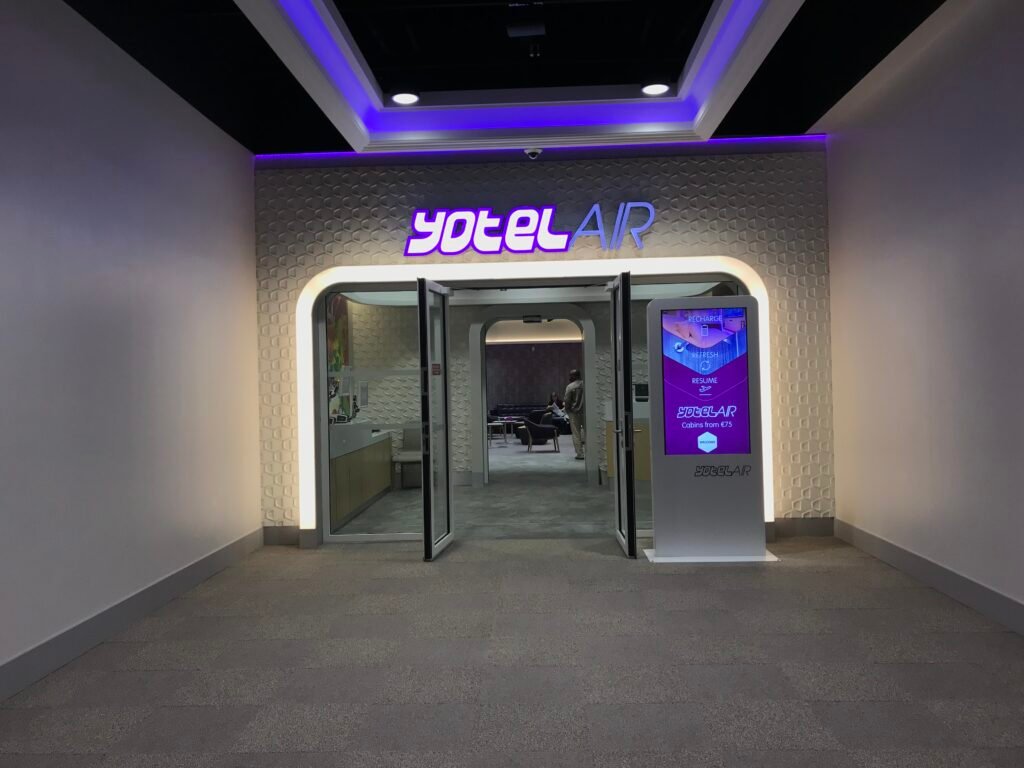
A growing number of major airports now offer dedicated sleep pods or capsule-style rest suites, JFK, Munich, Helsinki, and Dubai all have some version of this, typically booked by the hour and offering a genuine lie-flat surface, a locking door, and often a bit of privacy that a gate chair simply can’t match.
Availability and pricing vary by airport. Best booking in advance through the specific airport’s app or website if your layover falls during typical sleeping hours.
.jpg)
Airport Transit Hotels
Some of the largest hub airports, including Singapore Changi and several major European hubs, have hotels located directly inside the secure transit area, meaning you never technically clear immigration, a genuinely convenient option if you don’t want to deal with a visa or customs for a same-airport nap.
Pricing generally higher than a sleep pod, but includes a genuine private room. Best for layovers of 6+ hours where a proper bed matters more than cost.
Lounge Access
Airline or credit-card lounges, along with paid day-pass options at many airports, generally offer quieter seating, sometimes with recliners or daybeds, than the standard gate area, along with food and drink included in the access fee.
Access varies by ticket class, airline status, or credit card benefits; day passes often available for purchase. Best for a layover where you want food, a shower, and a quieter place to sit all in one stop.
Finding a Quiet Gate Area
If none of the above are available or in budget, seeking out a genuinely low-traffic gate, often at the far end of a concourse or near an overnight-only gate, tends to offer more space to stretch out than the busiest central areas of a terminal.
Free. Best for a shorter rest rather than a full sleep cycle, given the lack of privacy.
Showers & Hygiene
Arriving at your next flight, or your final destination, feeling human rather than grimy makes a genuine difference.

Paid Shower Suites
Many major airports, including Heathrow, CDG, and JFK, offer standalone paid shower facilities, either through a lounge or as an independent service, generally a modest fee for a genuinely refreshing reset after a long-haul flight.
Fees vary by airport and facility. Best after an overnight flight, before a full day of activities or a further connection.
Basic Toiletries
A small travel-size kit, toothbrush, toothpaste, deodorant, face wipes, genuinely goes a long way even without a full shower, and it’s worth keeping in your carry-on rather than checked luggage specifically for this purpose.
Cost of your own kit; some airport pharmacies sell travel-size versions if you forget. Best packed proactively rather than purchased at inflated airport prices.
Staying Fed
Airport food doesn’t have to mean an overpriced sandwich eaten standing up.

Seeking Out Real Restaurants
Several major airports, covered in more depth in this site’s individual airport guides, now host genuine, well-regarded restaurants and local food outposts rather than just fast-food chains, worth a short walk to a different terminal if your layover allows it.
Standard restaurant pricing, though often lower than lounge food once you factor in lounge access fees. Best researching your specific airport’s dining options ahead of time.
Packing Your Own Snacks
Bringing dry snacks through security (most solid foods are permitted, liquids and gels are not) genuinely helps manage both cost and hunger during a long layover, particularly useful if your connection falls at an odd hour when fewer restaurants are open.
Cost of your own snacks. Best for early morning or late-night layovers when dining options may be limited.
Work & Entertainment
A long layover is also a genuine opportunity to get things done or simply unwind.

Finding Reliable WiFi & Power
Most major airports offer free WiFi, though signal strength and speed vary considerably, and outlets can be scarce at busy gates. Seeking out a lounge, a dedicated charging station, or a quieter corner of the terminal genuinely improves your odds of a stable connection if you need to work.
Free, though lounge access (paid or otherwise) often provides more reliable connectivity. Best scoping out your terminal’s charging situation as soon as you land.
Airport Entertainment
Several airports, including Singapore Changi’s free movie theaters and various museum exhibits and art installations covered across this site’s individual airport guides, offer genuinely free ways to pass hours of a long layover beyond scrolling on your phone.
Free at most participating airports. Best checking your specific airport’s amenities ahead of time, since offerings vary enormously by hub.
When & How to Leave the Airport
For a genuinely long layover, leaving the airport can turn dead time into a real, if brief, visit to a new city.
Checking Your Documentation
Before making any plans to leave, confirm your visa or transit status for the specific country, some nationalities can transit visa-free for a set number of hours, others need a formal transit visa, and rules vary significantly by country and by your final destination. This is worth checking well before your travel date, not at the airport.
Cost varies (some transit visas are free, others require a fee). Best researched at least a few weeks before departure.
Timing It Right
Most experienced travelers consider 6 hours a reasonable minimum for a same-airport city excursion, factoring in immigration and security lines on both ends, transport time to and from the city center, and a comfortable buffer before your next flight’s boarding time. Airports like Singapore Changi and Seoul Incheon, both covered in this site’s dedicated guides, even offer free organized tours specifically designed around this kind of window.
Free to low-cost depending on the airport and transport method. Best padding your return time generously, arriving late to your next flight is a genuinely bigger risk than a shorter city visit.
What to Pack
A few specific items genuinely make any long layover easier, regardless of which airport you’re passing through: a portable charger, since gate outlets are never guaranteed; a reusable water bottle to refill after security; a compact travel pillow or eye mask if you’re hoping to rest; noise-canceling headphones for blocking out general terminal noise; a light layer, since airport air conditioning runs cold more often than not; and a small toiletries kit for freshening up even without a full shower. None of these are complicated purchases, but packing them proactively, rather than realizing you need them mid-layover, makes a real difference.

If this guide helped you plan your next long layover, subscribe to Worldly Traveler on YouTube for more travel guides from around the world.
Frequently Asked Questions
How long does a layover need to be to leave the airport?
Most experienced travelers consider 6 hours a reasonable minimum, though this depends on the specific airport, how far the city center is, immigration wait times, and your visa or transit status.
What should I pack for a long layover?
A portable charger, a reusable water bottle, a travel pillow or eye mask, noise-canceling headphones, a light layer for cold terminals, and a few toiletries for freshening up all genuinely make a long layover easier.
Where can I sleep during a long layover?
Options include airline or paid-access lounges, dedicated sleep pods (found at airports like JFK, Munich, and Helsinki), airport transit hotels located pre-security, or quiet, low-traffic gate areas away from main walkways.
Is it safe to sleep in an airport during a layover?
Generally yes at major international airports, though keeping your bags secured (looped through an arm or leg, or using a cable lock) and staying near other travelers rather than in a completely isolated corner are both sensible precautions.
Can I get free food or lounge access during a long layover?
Sometimes, if your flight was delayed or you were involuntarily rerouted, some airlines offer meal vouchers or lounge access as compensation, worth asking about directly at the airline’s transfer desk.