
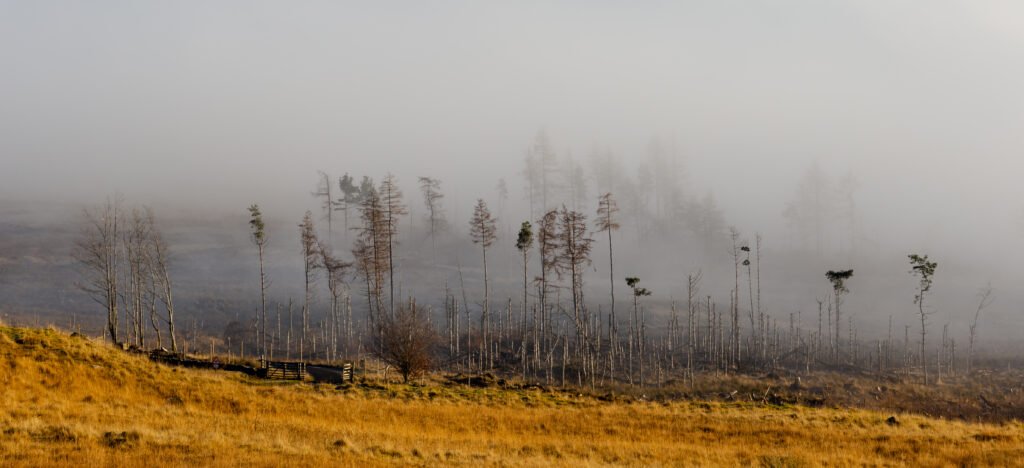
Europe’s autumn color genuinely rivals anything found in New England, though it unfolds across a much wider range of landscapes, misty Highland lochs, golden vineyard rows, and alpine larch forests turning bright yellow against permanent snowcaps. This guide walks through five of the continent’s best fall foliage regions, checked against real research into each location’s peak timing and character, along with a look at why European autumn color develops such a genuinely distinct palette compared to its North American counterpart.
What makes European fall foliage genuinely distinct from its North American counterpart is how closely it’s woven into centuries of cultivated landscape and human history, rather than existing purely as untouched wilderness. Vineyards planted generations ago, formal gardens designed around specific seasonal displays, and medieval towns built from stone that seems to glow against a backdrop of turning leaves all add a genuinely different, more layered character to the season here, one where human history and natural color unfold together rather than in separate settings. That layering means a fall trip to Europe genuinely rewards travelers who build in time for both the scenery itself and the towns, castles, and vineyards woven through it, rather than treating the foliage as a purely standalone attraction.
The Scottish Highlands
Bavaria, Germany
The Loire Valley, France
The Swiss Alps
Transylvania, Romania
Why European Foliage Looks Different
Comparing the Regions
Planning Around Peak Color
Combining Multiple Regions in One Trip
FAQ
The Scottish Highlands
Genuinely one of Europe’s most atmospheric fall destinations, where autumn color meets dramatic, often mist-shrouded terrain.
The Scottish Highlands
Bracken-covered hillsides turn a genuinely striking rust-orange each autumn, while birch and rowan trees add pockets of gold along the region’s countless lochs, Loch Tay, Loch Lomond, and Loch Ness among the most accessible for a scenic drive. The Highlands’ famously changeable weather, mist, rain, and sudden clearings all within a single afternoon, adds a genuinely moody, cinematic quality to the season that distinguishes it from the crisper, more predictable fall weather found further south in Europe. Glen Affric, often cited by locals as the most beautiful glen in Scotland, combines native pinewoods with lochs and rivers in a combination that peaks with particular drama each October, and the region’s famous red deer, genuinely visible and vocal during the autumn rutting season, add a further seasonal draw for wildlife-minded visitors driving the same routes.
The North Coast 500, Scotland’s popular circular driving route around the northern Highlands, offers a genuinely comprehensive way to see the region’s varied autumn landscape in a single, well-organized trip, passing through remote glens, along dramatic coastline, and past countless smaller lochs rarely visited by travelers sticking to the more famous central Highlands. Rannoch Moor, a vast, genuinely desolate expanse of bog and heather between Glasgow and Fort William, turns a striking amber-brown each autumn and offers a starkly different, more austere version of Highland fall color than the wooded glens further north.
Scottish Highlands, northern Scotland. Free to explore via public roads and trails. Best mid-to-late October, when birch and rowan color peaks before winter winds strip the trees bare.
Bavaria, Germany
Genuinely one of the most varied fall foliage regions in Europe, ranging from alpine forest to formal palace gardens, all within a single, relatively compact state.
Bavaria
Bavaria’s dense beech and oak forests turn genuinely rich shades of copper and gold each autumn, and the region’s varied elevation, from the flatter areas around Munich to the higher Bavarian Alps near the Austrian border, means peak color arrives at different times across a fairly compact area, generally late September in the higher Alps and mid-October in the lower-lying central regions. The artist Wassily Kandinsky famously painted the region’s autumn landscape in his 1908 work “Autumn in Bavaria,” a genuine testament to how long this specific seasonal display has drawn admirers, part of a broader Expressionist movement that found genuine inspiration in the region’s dramatic seasonal light. Forest trails around the Bavarian countryside, easily reached from Munich, offer a genuinely accessible way to experience the season without a long drive into more remote alpine terrain, and several of the region’s lakes, including the Chiemsee and Starnberger See, offer particularly striking reflections of the surrounding autumn color on calm mornings.
The Bavarian Forest National Park, along the border with the Czech Republic, offers a genuinely wilder, less manicured version of the region’s autumn scenery than the more manicured lake districts closer to Munich, its dense, largely untouched woodland home to lynx and other wildlife rarely seen elsewhere in central Europe. Combined with Oktoberfest, which overlaps with the very earliest weeks of Bavaria’s fall color each September, the region offers a genuinely rare opportunity to pair a major cultural festival with the start of the season’s foliage display, though visitors specifically chasing peak color should plan for a later trip than the festival itself.
Bavaria, southern Germany. Free access to most forest trails. Best late September in the Alps, mid-October in lower-elevation central Bavaria.

The Loire Valley, France
A genuinely more cultivated, historic version of fall color, set among Renaissance chateaux and centuries-old vineyards.
The Loire Valley
Known as the “Garden of France,” the Loire Valley’s extensive vineyards turn genuinely striking shades of gold and deep red each October, coinciding with the region’s grape harvest and offering a rare combination of fall foliage and wine culture in a single trip. The valley’s roughly 185,000 acres of planted vineyards, spread across sub-regions including Anjou, Saumur, and Touraine, produce a genuinely wide range of wines, from crisp Sauvignon Blanc to structured Cabernet Franc reds, and the harvest itself, typically running from mid-September into October depending on the grape variety, gives visitors a genuine chance to see the vines at their most colorful just as the season’s work reaches its climax.

The valley’s famous chateaux, Chenonceau, Chambord, and Villandry among the most visited, sit surrounded by formal gardens that shift into their own seasonal palette, and Villandry’s kitchen gardens specifically offer a genuinely unique display as ornamental cabbages and late-season vegetables add unexpected color alongside the changing trees. Chaumont-sur-Loire, somewhat less visited than its more famous neighbors, hosts an annual international garden festival each year that runs well into autumn, its themed display gardens designed specifically to showcase seasonal color and texture, making it a genuinely worthwhile stop for visitors with a particular interest in landscape design alongside the region’s more famous architectural attractions. Cycling the region’s extensive network of dedicated bike paths, many following the Loire River itself, offers a genuinely relaxed, scenic way to move between chateaux and vineyards during peak color without needing a car.
Loire Valley, central France. Free to view from public roads; chateau entry fees vary. Best mid-to-late October, coinciding with the grape harvest and the valley’s fullest autumn color.
The Swiss Alps
Genuinely unique among fall foliage destinations for one specific reason, the golden larch, a deciduous conifer found nowhere else in quite this concentration.
The Swiss Alps
Unlike most conifers, which stay green year-round, larch trees are genuinely deciduous, one of only a handful of coniferous species worldwide that drops its needles each winter, and each autumn entire alpine hillsides across regions like the Engadin Valley and around Zermatt turn a striking golden yellow before the needles drop entirely, creating a genuinely unique contrast against permanently snow-capped peaks in the background. This transformation typically peaks in early-to-mid October, and the golden larch forests around Zermatt, framed by the Matterhorn, have become a genuinely significant draw for photographers specifically timing trips around this narrow seasonal window.

The Engadin Valley, home to the resort town of St. Moritz, offers a genuinely different, broader valley setting for the same phenomenon, its wide, open terrain allowing visitors to take in entire hillsides of gold at once rather than viewing the color through denser forest. In the Valais region’s Lötschental, sometimes nicknamed the “magic valley” by hikers specifically for its concentration of larch forest, the seasonal display draws devoted repeat visitors each October, some describing an almost pilgrimage-like return to the same trails year after year to catch the display at its peak. Beyond Zermatt and the Engadin, the Val d’Hérens and the area around the Aletsch Glacier, the largest glacier in the Alps, both offer genuinely worthwhile alternative larch-viewing locations for visitors wanting to avoid the more crowded, famous trails around the Matterhorn itself.
Swiss Alps, particularly the Engadin Valley and Zermatt region. Free to view from public trails; cable car fees apply for higher viewpoints. Best early-to-mid October, a genuinely narrow window for peak larch color.
Transylvania, Romania
A genuinely underrated fall destination, combining dense forest color with a landscape steeped in medieval and folkloric history, and one that rewards visitors willing to look past Western Europe’s more famous options.
Transylvania
Transylvania’s rolling, forested hills, dotted with fortified Saxon villages and medieval castles, turn genuinely vivid shades of red and gold each October, and the region’s relative lack of international tourism compared to Western Europe’s more famous fall destinations means genuinely thinner crowds even during peak color. Bran Castle, popularly associated with the Dracula legend, and the well-preserved medieval town of Sighișoara both offer a genuinely striking backdrop against the surrounding autumn forest, a combination of natural and gothic historic atmosphere found in few other European fall destinations. The region’s fortified Saxon churches, built centuries ago by German-speaking settlers and scattered throughout the countryside, add a further genuinely distinctive architectural layer to an already unusual autumn landscape, several recognized as UNESCO World Heritage Sites for their genuinely unique blend of religious and defensive architecture.
The Carpathian Mountains, forming a dramatic backdrop across much of the region, hold genuinely significant populations of brown bears, wolves, and lynx, making Transylvania one of the last places in Europe where these large predators persist in meaningful numbers, and several dedicated wildlife-watching tours operate specifically during the autumn months when animal activity increases ahead of winter. Brasov, a genuinely well-preserved Saxon town at the foot of the Carpathians, offers a practical base for exploring the wider region, its own surrounding hillsides providing a genuinely accessible introduction to Transylvania’s autumn color without requiring a longer drive into more remote countryside.
Transylvania, central Romania. Free to explore; individual castle and village entry fees vary. Best mid-October, when the region’s forests reach full color.
Why European Foliage Looks Different
Europe’s fall color genuinely differs in character from the famously vivid displays found in places like New England, largely because of which tree species dominate each continent’s forests. North America’s maple trees, responsible for much of New England’s famous scarlet and orange display, are considerably less common across most of Europe, where beech, oak, birch, and larch dominate instead, producing a palette that leans more toward gold, copper, and amber than the fiery reds maples produce. That’s not a lesser display, simply a genuinely different one, and travelers arriving expecting an identical experience to a North American fall trip should adjust expectations toward Europe’s own distinct seasonal character rather than looking for a direct substitute.
Elevation and latitude also play a significantly larger role in European foliage timing than in most of North America, given how compact the continent is relative to the range of climates it contains, a traveler can genuinely experience three or four different stages of the same seasonal transition within a single week-long trip simply by moving between a high alpine valley and a lower-lying river valley a few hours’ drive away. That compression is part of what makes a well-planned multi-region European fall trip genuinely rewarding, since a single itinerary can realistically chase peak color across several genuinely different landscapes in a way that would require considerably more driving distance across most of the United States.
Comparing the Regions
| Region | Peak Timing | Best For |
|---|---|---|
| Scottish Highlands | Mid-to-late October | Moody, atmospheric scenery |
| Bavaria | Late Sept (Alps) – mid-Oct | Forest hikes near a major city |
| Loire Valley | Mid-to-late October | Combining foliage with wine and chateaux |
| Swiss Alps | Early-to-mid October | Golden larch against snow-capped peaks |
| Transylvania | Mid-October | Fewer crowds, medieval atmosphere |
Weather genuinely plays a larger role in European fall foliage than many travelers expect, a few days of wind and rain can strip trees bare well ahead of a typical peak window, meaning the exact dates above should be treated as a general guide rather than a guarantee, and checking regional foliage reports closer to a planned trip date is genuinely worthwhile advice for any of these destinations. Of the five regions covered here, the Swiss Alps offer the genuinely narrowest peak window, given how quickly larch needles drop once the transition begins, while the Loire Valley and Transylvania both allow for a somewhat wider, more forgiving window of good color spread across most of October.
Planning Around Peak Color
Weather genuinely plays a larger role in European fall foliage than many travelers expect, a few days of strong wind and rain can strip trees bare well ahead of a typical peak window, meaning the timing estimates in this guide should be treated as a general planning guide rather than a guarantee, and checking regional foliage reports and webcams closer to a trip date is genuinely worthwhile advice for any of these destinations. Building a few days of flexibility into an itinerary, rather than locking in dates months ahead based purely on historical averages, genuinely improves the odds of catching a region at its best, since peak color can shift by a week or more from one year to the next depending on that autumn’s specific weather pattern.
Layered clothing matters across nearly all of these destinations, mornings in the Highlands, Bavaria, and the Swiss Alps can turn genuinely cold even while afternoons stay comfortably mild, and mountain weather specifically can shift with little warning regardless of season. Packing a reliable rain layer is particularly worthwhile for Scotland and the Alps, where sudden weather changes are simply part of the regional character rather than an occasional inconvenience. Booking accommodation in advance genuinely matters more for the Loire Valley and Bavaria during their respective harvest and Oktoberfest-adjacent seasons, when demand for rooms rises considerably beyond a typical autumn weekend, while the Highlands and Transylvania, given their relative remoteness and lighter tourist traffic, generally allow for more spontaneous, less rigidly scheduled travel.
Combining Multiple Regions in One Trip
Given how compact Europe’s rail and flight networks are relative to the distances involved, a genuinely ambitious traveler can realistically combine two or even three of these regions into a single two-week autumn trip, something considerably harder to pull off chasing equivalent foliage variety across the United States. Bavaria and the Swiss Alps sit close enough together, connected by a scenic train route through Austria, to combine into a single week-long loop, catching the tail end of alpine larch color in Switzerland before continuing on to Bavaria’s slightly later-peaking forests. The Loire Valley similarly pairs well with a few additional days in Paris, given the region’s easy high-speed rail connection to the French capital, making it a genuinely practical add-on rather than a standalone destination requiring its own dedicated trip.
Scotland and Transylvania, by contrast, are better treated as their own separate trips given their distance from the other three regions and from each other, though both reward a full week or more given the driving distances involved in properly covering either country’s countryside. Whichever combination a traveler chooses, building buffer days into any multi-region itinerary genuinely pays off, since even a single delayed flight or an unexpectedly early storm can meaningfully shift the foliage timeline at any given stop along the way.
If this guide helped you plan a fall trip to Europe, check out more travel videos from Worldly Traveler.
Whichever region ends up on your itinerary, Europe’s fall foliage genuinely rewards travelers willing to look past the continent’s more obvious summer appeal. A quieter season across nearly all of these destinations, paired with scenery that holds its own against any autumn display found elsewhere in the world, makes a well-timed fall trip to Europe a genuinely underrated alternative to the more crowded peak-summer version most visitors default to. Whether it’s the golden larch forests framing the Matterhorn, the rust-colored bracken of a Highland glen, or the harvest-season vineyards of the Loire, each of these landscapes offers a genuinely distinct reason to plan a trip specifically around the season rather than treating autumn as simply the tail end of a longer summer holiday.
Frequently Asked Questions
When is peak fall foliage in Europe?
Peak foliage timing varies significantly by region and elevation, generally running from late September in northern and alpine regions like Scotland and the Swiss Alps to mid-to-late October in more southern and lower-elevation areas like the Loire Valley, though a single bad storm can shift these windows by a week or more in either direction.
What is the best country in Europe for fall foliage?
There isn’t a single best country, since foliage character varies genuinely by region, but Scotland’s Highlands, Germany’s Bavaria, and Romania’s Transylvania are all widely regarded among the most dramatic and accessible fall foliage destinations in Europe.
Are the Swiss Alps good for fall foliage?
Yes, genuinely. The Swiss Alps offer a unique combination of golden larch trees, which turn a striking yellow rather than dropping needles like other conifers, set against permanently snow-capped peaks, a contrast found in few other places on Earth.
Is the Loire Valley a good fall foliage destination?
Yes. The Loire Valley’s extensive vineyards and formal chateau gardens turn genuinely striking shades of gold and copper each October, offering a more cultivated, historic version of fall color than wilder mountain destinations.
Why does European fall foliage look different from New England’s?
European forests are dominated by different tree species, primarily beech, oak, birch, and larch rather than the maples responsible for New England’s famously vivid reds, giving European autumn a genuinely distinct palette leaning more toward gold, copper, and amber tones.