
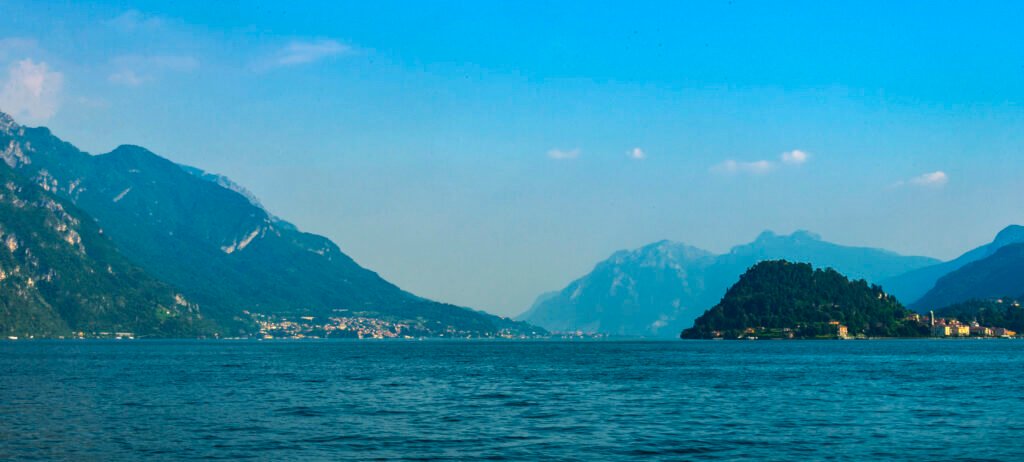
Bellagio’s pastel buildings and lakefront promenade genuinely earn the town’s reputation as one of the most photographed spots in Italy, but Lake Como’s roughly 90 miles of shoreline hold considerably more than this single, now genuinely crowded village. This guide walks through Lake Como’s best hidden gems, checked against real research into each location, spanning nearly two thousand years of the lake’s continuous appeal to visitors seeking beauty and retreat.
Bellagio: The lake’s most famous town, its pastel waterfront and central position at the meeting point of Como’s three branches, remains genuinely essential for any first visit, this guide picks up from there, heading toward the quieter towns and grand estates most day-trippers never quite reach.
What’s easy to overlook about Lake Como, given how thoroughly Bellagio’s postcard image dominates the lake’s international reputation, is how much genuine variety exists along its Y-shaped, roughly 90-mile shoreline. Formed by glacial activity thousands of years ago, the lake’s distinctive shape and dramatic surrounding peaks have drawn wealthy visitors since Roman times, Pliny the Younger, the Roman writer, owned not one but two villas here, and that centuries-long tradition of aristocratic retreat left behind a genuinely remarkable concentration of historic villas and gardens scattered around towns considerably quieter than Bellagio itself.
The lake’s geological origins genuinely explain much of what makes it visually distinctive today, carved by glaciers during the last ice age into its characteristic inverted-Y shape, with depths reaching over 400 meters in places, making it one of the deepest lakes in all of Europe. That dramatic depth, combined with steep mountains rising almost directly from the water’s edge in many spots, creates a genuinely striking sense of enclosed grandeur that distinguishes Como from Italy’s other major lakes, a landscape compact enough to explore thoroughly yet dramatic enough to have drawn admirers for two thousand years.
Varenna
Como Town
The Western Shore’s Historic Villas
Lake Como’s Aristocratic History
Comparing Lake Como’s Towns
Lake Como Food Worth Seeking Out
Best Time to Visit Lake Como
Getting Around Lake Como
FAQ
Varenna
Genuinely one of the lake’s oldest and most authentically preserved towns, offering much of Bellagio’s charm with noticeably fewer crowds, a genuine trade-off worth making for travelers who value atmosphere over convenience.
Varenna
Founded by local fishermen in 769 AD, Varenna holds a documented history stretching back well over 1,200 years, making it genuinely one of the oldest continuously inhabited settlements on the lake. Its narrow lanes, including the genuinely romantic Passeggiata degli Innamorati (“Lovers’ Walk”), a lakeside path carved directly into the cliffside, offer sweeping views back across the water toward Bellagio and the mountains beyond, all with a noticeably calmer, more residential atmosphere than the lake’s more famous village. The ruins of Castello di Vezio, a medieval fortress perched on the hillside above the town, add a genuine layer of defensive history, its position originally chosen to monitor lake traffic and warn of approaching threats centuries before tourism became the town’s primary industry.
Eastern shore of Lake Como, Province of Lecco. Free to explore; Villa Monastero gardens charge entry. Best in the early morning or evening, when the town’s narrow lanes are at their quietest.

Villa Monastero
Originally a 12th-century Cistercian convent before its later transformation into a private residence, Villa Monastero’s terraced gardens, stretching directly along the lakeshore, hold a genuinely significant botanical collection alongside period-furnished interiors reflecting the villa’s later life as an aristocratic home. The estate has also served as a genuine venue for international scientific conferences in more recent decades, a somewhat unexpected modern chapter for a property whose roots stretch back to medieval monastic and religious life centuries ago.
Varenna, eastern shore. Entry fee. Best in spring, when the garden’s plantings are at their fullest bloom.
Como Town
The lake’s namesake city, genuinely a significant destination in its own right rather than simply a transit hub for reaching the more famous villages further north, with a documented history stretching back to Roman antiquity.
Como’s Historic Center
Como’s cathedral, a genuinely striking blend of Gothic and Renaissance architecture built over roughly 350 years starting in 1396, anchors a historic center that predates the lake’s aristocratic villa era by centuries, the city’s Roman-era origins still visible in its street grid and surviving fragments of ancient city walls, remnants of a settlement that once served as a genuine strategic outpost guarding the southern approach to the Alps. The Funicolare Como–Brunate, a cable railway operating since 1894, climbs to the hilltop town of Brunate, offering genuinely sweeping views back over the city and the lake’s southern basin. Como also holds a genuine claim as the birthplace of Alessandro Volta, the physicist whose invention of the electric battery gave the world the unit “volt,” and a dedicated museum in the city center traces his scientific legacy in detail, situated appropriately along a lakeside promenade that bears his name.
Como city, southern end of the lake. Free to explore old town; funicular fare applies. Best taking the funicular up to Brunate in the late afternoon for the most favorable light over the lake.
The Western Shore’s Historic Villas
Home to the lake’s most significant concentration of aristocratic estates, several open to the public today, and genuinely worth a full day’s dedicated exploration in their own right, given the density of significant properties packed along this single stretch of shoreline.
Villa del Balbianello & Villa Carlotta
Villa del Balbianello, its terraced gardens extending onto a narrow promontory jutting into the lake, has become genuinely famous beyond Italy for its appearances in several major films, including scenes from the James Bond franchise and Star Wars, and its combination of formal Italian garden design with sweeping lake views makes it one of the most visited villa properties on Como today, the estate’s final private owner, an Italian explorer, left the property to Italy’s national trust upon his death specifically to preserve it for public enjoyment. Villa Carlotta, further north near Tremezzo, holds a genuinely significant botanical garden alongside notable Neoclassical sculpture, including work by Antonio Canova, one of the most celebrated sculptors of his era, its collection of azaleas and rhododendrons drawing visitors specifically during the peak spring blooming season, when the terraced hillside becomes a genuine wash of color visible from boats passing on the lake below.
Western shore, near Lenno (Balbianello) and Tremezzo (Carlotta). Entry fees apply to both. Best combining both villas in a single day trip, given their relatively short distance apart along the western shore.
Lake Como’s Aristocratic History
Understanding why this specific lake, among Italy’s several significant northern lakes, became such a magnet for wealth and aristocracy genuinely requires looking back further than the famous Renaissance-era villas most visitors associate with Como today, since the lake’s reputation as a retreat for the powerful and wealthy stretches back nearly two millennia. The lake’s appeal to the elite dates back to Roman times, Pliny the Younger, a Roman senator and writer, described owning two villas on the lake in his surviving letters, nicknaming one “Comedy” and the other “Tragedy” based on their differing architectural styles, a detail that shows just how established this stretch of water was as an aristocratic retreat nearly two thousand years ago. That tradition continued largely unbroken through subsequent centuries, and by the 16th through 19th centuries, wealthy Milanese, and later international, families were building the grand villas that still define much of the lake’s western shore today.
The lake’s specific microclimate genuinely played a role in that sustained appeal too, the surrounding mountains shelter the shoreline from harsher continental weather patterns, creating noticeably milder conditions than would otherwise be expected at this latitude, mild enough to support genuinely lush Mediterranean and even some subtropical plantings in villa gardens that would struggle to survive just a short distance further inland, a genuine horticultural anomaly that early garden designers recognized and exploited to spectacular effect. That combination, dramatic scenery, historical prestige, and a genuinely favorable growing climate for elaborate gardens, is part of why Lake Como’s aristocratic reputation has proven so durable across two millennia rather than fading with any single era’s fashion.
Comparing Lake Como’s Towns
| Town | Character | Best For |
|---|---|---|
| Bellagio | Iconic, busiest, central location | First-time visitors, classic photos |
| Varenna | Historic, quieter, authentic | A calmer alternative with equal charm |
| Como Town | Larger, urban, genuine city amenities | A practical base with more infrastructure |
| Western Shore Villas | Grand estates, formal gardens | History, architecture, botanical gardens |
Ferries connect all of these towns to one another, making it genuinely easy to base yourself in one location and day-trip to the others rather than needing to change accommodation throughout a Lake Como visit. Varenna’s central position on the eastern shore, roughly equidistant from Bellagio and the ferry routes toward the western shore’s villas, makes it a genuinely practical base for travelers wanting to explore the whole lake without spending excessive time in transit each day.
Lake Como Food Worth Seeking Out
Missoltino, a traditional dried and salted lake fish (typically shad), reflects the region’s genuine fishing heritage, a preservation method developed centuries ago to make the lake’s seasonal catch last through leaner months, still prepared and served at traditional restaurants around the lake today, often grilled and drizzled with olive oil and vinegar in the classic local style, a dish genuinely tied to the working lake culture that predates the arrival of aristocratic villas by many generations. Risotto, prepared here often with local lake fish or perch, offers a genuinely regional variation on the dish more commonly associated with Milan’s saffron-based version found further south, the lake’s own take reflecting its proximity to fresh water rather than the coastal or urban ingredients found elsewhere in Lombardy.
Polenta, a cornmeal staple throughout Lombardy, pairs particularly well with the region’s game and mushroom dishes, especially in the hillier areas surrounding the lake where hunting traditions run genuinely deep, and a proper version, slow-cooked and stirred continuously over an open flame, differs considerably from the quicker instant versions found in supermarkets. And local wines from the nearby Valtellina region, worth seeking out at a proper lakeside restaurant, offer a genuine taste of the surrounding Alpine foothills’ distinct winemaking tradition, shaped by terraced vineyards that have been cultivated on the steep slopes for centuries, a genuinely demanding form of viticulture given the terrain’s steep grade and limited mechanization.
Best Time to Visit Lake Como
Late spring (May-June) and early fall (September) offer the most comfortable temperatures and thinner crowds than the peak July-August season, when the lake’s towns, Bellagio especially, become genuinely crowded with day-trippers and the narrow streets can feel considerably more congested than the peaceful lakeside image most visitors expect. Spring specifically brings the western shore’s villa gardens into full bloom, a genuinely worthwhile season for travelers prioritizing Villa Carlotta or Villa del Balbianello’s landscaped grounds, when azaleas and rhododendrons reach their peak color against the lake’s blue water.
Summer remains the most popular season overall, given reliable warm weather for lake activities and outdoor dining, though booking accommodation well ahead becomes genuinely essential given the season’s real demand, particularly in Bellagio and Varenna where room availability tightens considerably by early summer. Winter offers a genuinely quieter, more contemplative version of the lake, several villa properties reduce their hours or close entirely for the season, but the towns themselves remain accessible, and the surrounding snow-capped peaks add a dramatic seasonal backdrop found at no other time of year, a genuinely underrated season for travelers who prioritize atmosphere and solitude over full access to every attraction.
Getting Around Lake Como
Lake Como’s ferry network, operated by a public transport authority connecting nearly every significant town around the shoreline, remains genuinely the most practical and scenic way to move between destinations, avoiding both the lake’s often narrow, winding shoreline roads and the parking challenges that come with driving into towns like Bellagio during peak season, a genuine headache best avoided entirely rather than endured. A multi-day ferry pass genuinely pays for itself quickly for any visitor planning to hop between several towns, and the ferries themselves, some historic, others more modern, offer genuinely excellent lake views in their own right, effectively doubling as a scenic cruise during ordinary transit rather than feeling like a purely functional commute. For visitors specifically wanting to reach the western shore’s villas, a rental car does offer more flexibility than the ferry schedule alone, though navigating the region’s narrow coastal roads, particularly during peak summer traffic, requires genuine patience and isn’t always faster than the boat, a trade-off worth weighing honestly before committing to a car-based itinerary.
If this guide helped you plan your Lake Como trip, check out more travel videos from Worldly Traveler.
Whichever towns make it onto your itinerary, Lake Como genuinely rewards travelers willing to venture beyond Bellagio’s famous waterfront. Varenna’s quieter lanes, Como town’s genuine urban history, and the western shore’s grand villa gardens each offer a meaningfully different version of the same lake that’s drawn admirers since Roman times, and combining several of these stops into a single trip delivers a far richer sense of what makes Como genuinely one of Italy’s most storied landscapes.
Frequently Asked Questions
What are the best hidden gems around Lake Como?
Some of the best hidden gems around Lake Como include Varenna, a fishing village founded in 769 AD with a genuinely quieter atmosphere than Bellagio, Como town’s historic center and cathedral, and the western shore’s collection of grand historic villas, each offering a genuinely different window into the lake’s long, layered history.
How old is Varenna?
Varenna was founded by local fishermen in 769 AD, making it genuinely one of the older settlements on Lake Como, with a documented history stretching back well over 1,200 years, considerably older than most of the villas that later made the lake famous.
Why are there so many famous villas on Lake Como?
Lake Como’s dramatic scenery and relatively mild microclimate made it a favored retreat for European aristocracy and wealthy families starting in the Renaissance, and many of the grand villas built during that period remain standing, and in several cases still privately owned, today, a genuine architectural legacy spanning centuries.
How many days do you need at Lake Como?
3-4 days gives you enough time to see Bellagio, explore Varenna and Como town, and visit at least one of the western shore’s historic villas at a relaxed, unhurried pace.
What is the best time of year to visit Lake Como?
Late spring (May-June) and early fall (September) offer the most comfortable temperatures and thinner crowds than the peak July-August season, when the lake’s towns become genuinely crowded with visitors and prices climb accordingly.