
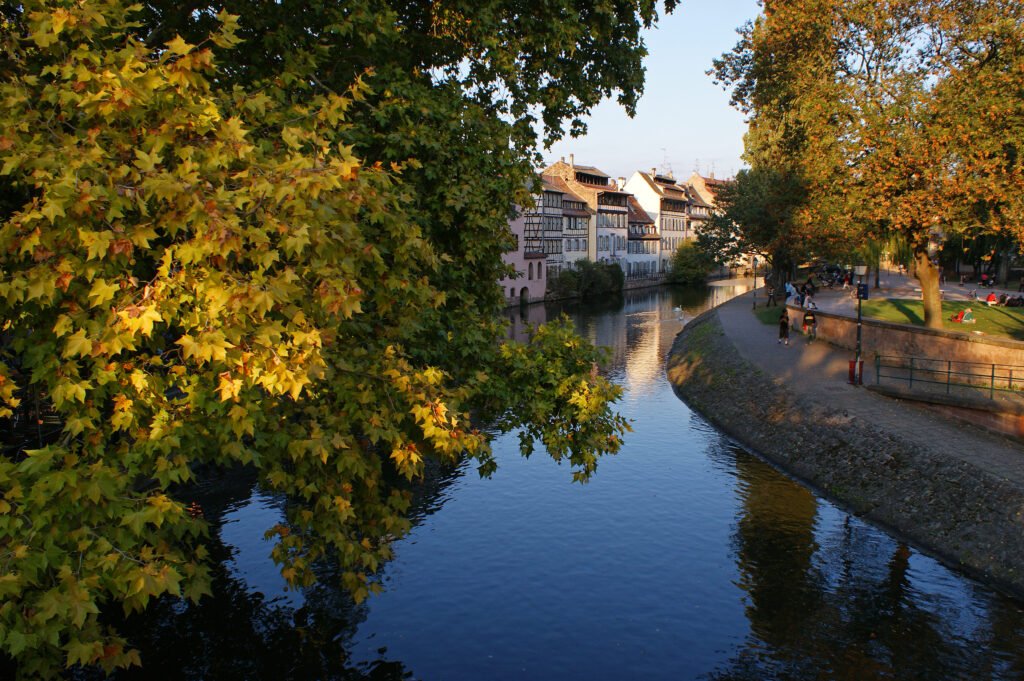
Summer draws the overwhelming majority of visitors to France, and the peak-season crowds at the Eiffel Tower and the French Riviera genuinely reflect that popularity — but autumn offers a fundamentally different, and for many experienced travelers genuinely superior, version of the country: grape harvest season across its famous wine regions, the first fall foliage color in its river valleys, and noticeably thinner crowds at destinations that feel overwhelmed just months earlier. This guide covers France’s best autumn destinations and experiences, organized by region so you can build a trip around whichever version of the season genuinely calls to you.
Autumn in France is genuinely inseparable from the grape harvest (les vendanges), a centuries-old agricultural rhythm that still shapes daily life across the country’s many wine regions each September and October. That harvest season brings a specific, tangible energy to wine country that summer simply can’t replicate — the smell of fermenting must in the air, pickers moving through the vineyard rows, and a genuine sense of a working landscape rather than a purely scenic backdrop. Beyond the vineyards, autumn’s cooler temperatures and golden light also transform France’s forests and river valleys, particularly in regions like the Dordogne and the Loire, into some of the most photogenic landscapes in the country.
Alsace: Half-Timbered Wine Country
Burgundy & the Grape Harvest
The Dordogne Valley
Hidden Autumn Cities
Grape Harvest Season Basics
Autumn Food Worth Seeking Out
Best Time for Autumn Travel in France
FAQ
Alsace: Half-Timbered Wine Country
France’s easternmost wine region holds a genuinely distinct Franco-German identity, its autumn wine harvest and colorful half-timbered architecture combining into one of the country’s most atmospheric fall destinations.
Strasbourg & Petite France
Alsace’s regional capital, its Petite France district built along canals lined with genuinely striking half-timbered houses, their reflection in the still water made even more striking each fall as the surrounding trees turn gold and amber — the city’s Gothic cathedral, its single spire the tallest surviving structure built entirely in the medieval period, offers panoramic views over the changing rooftops for visitors willing to climb its narrow interior stairway.
Alsace. Free to explore Petite France; cathedral tower climb fee. Best in mid-to-late October for peak canal-side foliage color.
The Alsace Wine Route
A genuinely picturesque 170-kilometer driving route connecting dozens of small wine villages along the eastern foothills of the Vosges Mountains, each town built around its own distinctive half-timbered architecture and family-run wine estates producing Alsace’s celebrated Riesling and Gewürztraminer — autumn brings the harvest into full swing along the entire route, with many estates opening their cellars for tastings directly tied to the current vintage.
Alsace, running roughly from Marlenheim to Thann. Free to drive; tasting fees vary by estate. Best in September-October during active harvest season.
Colmar
A genuinely fairy-tale-like town along the Alsace Wine Route, its Petite Venise district of canal-side half-timbered houses considered by many the single most picturesque stretch of architecture in the entire region, having reportedly served as a visual inspiration for the town of Belle’s village in Disney’s “Beauty and the Beast.”
Alsace, on the Wine Route. Free to explore. Best at golden hour in October for the canal-side houses’ most vivid autumn reflection.
.jpg)
Haut-Kœnigsbourg Castle
A genuinely dramatic hilltop fortress overlooking the Alsace plain, extensively restored in the early 20th century under Kaiser Wilhelm II during Alsace’s period as German territory — the castle’s clifftop position offers sweeping views over the surrounding vineyards, particularly striking each autumn as the valley below turns shades of gold and russet.
Alsace, near the Wine Route. Entry fee. Best on a clear autumn day for the fullest view over the surrounding vineyard-covered valley.
Burgundy & the Grape Harvest
Central France’s most celebrated wine region holds the country’s most historically significant autumn harvest tradition.
The Route des Grands Crus
A genuinely legendary wine route connecting some of the most prestigious vineyard appellations in the world, its narrow country roads winding through villages whose names alone — Gevrey-Chambertin, Vosne-Romanée, Meursault — carry genuine reverence among wine professionals worldwide, particularly vivid each September when the harvest transforms the surrounding hillsides into a working landscape of pickers and tractors.
Burgundy, Côte d’Or department. Free to drive; tasting fees vary by estate. Best in September for peak harvest activity along the route.
.jpg)
Beaune
Burgundy’s genuine wine capital, its historic Hôtel-Dieu hospital famous for a spectacular multicolored glazed-tile roof, home each November to one of the most significant charity wine auctions in the world, the Hospices de Beaune auction, which sets benchmark pricing for the region’s entire vintage.
Burgundy. Free to explore town; Hôtel-Dieu entry fee. Best in mid-November if timing coincides with the Hospices de Beaune auction weekend.
Dijon
Burgundy’s historic capital, its well-preserved medieval and Renaissance old town holding genuine culinary significance as the namesake of Dijon mustard, alongside a lesser-known but genuinely excellent gingerbread (pain d’épices) tradition dating back centuries.
Burgundy. Free to explore. Best combined with a broader Route des Grands Crus day trip given the short distance south.
The Dordogne Valley
Southwestern France’s river valley holds some of the country’s most dramatic autumn foliage alongside significant prehistoric heritage.
La Roque-Gageac
A genuinely striking village built directly into a limestone cliff face above the Dordogne River, its ochre-toned buildings and terraced gardens offering a particularly vivid contrast against the valley’s autumn foliage each October, when the surrounding walnut and oak forests turn shades of amber and copper.
Dordogne Valley. Free to explore. Best via a river canoe or gabare boat tour for the classic cliffside village view from the water.

Domme
A genuinely well-preserved fortified hilltop bastide town, its clifftop position offering one of the most sweeping panoramic views over the entire Dordogne Valley, particularly spectacular each autumn as the patchwork of walnut orchards and forest below shifts into full fall color.
Dordogne Valley. Free to explore town. Best at sunset in October for the valley’s fullest autumn color beneath the golden light.
Lascaux Caves
Home to some of the most significant prehistoric cave paintings in the world, created roughly 17,000 years ago — the original cave remains closed to protect the fragile artwork, but a remarkably detailed facsimile, Lascaux IV, offers visitors a genuine sense of the original’s scale and artistic sophistication.
Dordogne Valley, near Montignac. Entry fee. Best booking timed-entry tickets in advance given limited daily visitor capacity.
Hidden Autumn Cities
Beyond wine country and river valleys, several of France’s lesser-known cities offer a genuinely rewarding autumn atmosphere.
Amiens
Home to the largest Gothic cathedral in France by volume, its interior soaring higher than Notre-Dame’s, alongside the Hortillonnages, a network of floating garden plots accessible only by traditional flat-bottomed boat — a genuinely unique urban agricultural landscape dating back to Roman times, particularly atmospheric each autumn as the garden plots wind down toward their final harvest.
Picardy, northern France. Free to explore town; Hortillonnages boat tour fee. Best in September for the tail end of the garden harvest season.
Besançon
A genuinely underrated UNESCO World Heritage citadel city, nearly encircled by a dramatic bend in the Doubs River, its star-shaped fortress designed by the legendary military engineer Vauban offering sweeping autumn views over the surrounding Franche-Comté countryside.
Franche-Comté, eastern France. Free to explore town; citadel entry fee. Best at sunset in October for the citadel’s panoramic autumn valley views.
Albi
Genuinely nicknamed “the Red City” for its distinctive brick architecture, home to the largest brick cathedral in the world, its fortress-like exterior a deliberate architectural statement of Catholic Church authority following the brutal medieval Cathar crusades in this region — the cathedral’s interior holds one of the most extensive surviving collections of Gothic painted decoration anywhere in France.
Occitanie, southwestern France. Free to explore town; cathedral choir entry fee. Best combined with a Toulouse-Lautrec Museum visit, given the artist’s birthplace connection to Albi.
Collioure
A genuinely colorful Mediterranean fishing village near the Spanish border, its vivid harbor-front buildings having drawn Matisse and Derain to develop the bold, saturated color style that would become known as Fauvism — autumn brings noticeably thinner crowds than the village’s busy summer season while retaining genuinely comfortable Mediterranean warmth.
Occitanie, near the Spanish border. Free to explore. Best in late September-October for warm Mediterranean weather without peak summer crowds.
Grape Harvest Season Basics
France’s grape harvest (les vendanges) typically runs from late August through October depending on the specific region and grape variety, with most major wine regions harvesting sometime in September — white grape varieties are generally picked earlier in the season than reds, since they’re harvested at a lower sugar ripeness level. Many wine estates genuinely welcome visitors during harvest season, and some smaller family-run operations even offer hands-on grape-picking experiences for interested travelers, though this varies considerably by producer and should be arranged in advance rather than assumed. The exact start date shifts meaningfully year to year based on that season’s specific weather conditions, meaning a harvest-focused trip benefits from checking current regional harvest forecasts closer to the actual travel date rather than relying purely on historical averages. Harvest season also brings genuine additional activity and energy to wine country restaurants and markets, with seasonal harvest-themed menus and local festivals (fêtes des vendanges) held in numerous wine towns celebrating the year’s new vintage.
Autumn Food Worth Seeking Out
Autumn brings France’s mushroom season into full swing, with wild varieties including cèpes (porcini) and girolles (chanterelles) appearing on menus across the country, particularly in forested regions like the Dordogne where foraging remains a genuine local tradition. Game meat, including venison, wild boar, and pheasant, becomes widely available on autumn menus as hunting season opens across much of rural France, reflecting a genuinely different seasonal rhythm than the lighter, produce-focused cooking of summer. Chestnuts (châtaignes), harvested each fall particularly in regions like the Ardèche and Corsica, appear in both savory preparations and sweet treats like marrons glacés, a candied chestnut confection considered a genuine autumn delicacy. The grape harvest itself brings vin nouveau (new wine) traditions to several regions, most famously Beaujolais Nouveau, released each November on a specific, nationally celebrated date — while considered a lighter, less serious wine by connoisseurs, the release remains a genuinely festive autumn tradition worth experiencing at least once.
Best Time for Autumn Travel in France
September offers genuinely the best balance of comfortable temperatures, thinning summer crowds, and active grape harvest season across most of France’s wine regions, making it widely considered by experienced France travelers to be one of the single best months to visit the country overall. October brings peak fall foliage to river valleys like the Dordogne and Loire, along with the tail end of harvest season in cooler, later-ripening wine regions, though temperatures begin dropping more noticeably by late in the month, particularly in northern and eastern regions like Alsace and Burgundy. November brings genuinely cold, gray weather to much of the country, though it also brings the Beaujolais Nouveau release and, in Burgundy specifically, the significant Hospices de Beaune wine auction, both worth planning a trip around if timing allows despite the less favorable weather. Coastal Mediterranean destinations like Collioure genuinely retain comfortable, mild conditions later into autumn than the rest of the country, making the south a worthwhile extension for travelers wanting to stretch the season a few extra weeks.
If this guide helped you plan your autumn trip to France, subscribe to Worldly Traveler on YouTube for more travel guides from around the world.
Frequently Asked Questions
What are the best places to visit in France in autumn?
Some of the best places to visit in France in autumn include Alsace’s half-timbered wine towns during the grape harvest, Burgundy’s vineyards, the Dordogne Valley for fall foliage, and lesser-known cities like Besançon, Amiens, and Albi, all offering a genuinely rewarding autumn atmosphere away from peak summer crowds.
When is grape harvest season in France?
France’s grape harvest (les vendanges) typically runs from late August through October depending on the region and grape variety, with most major wine regions harvesting sometime in September.
Is autumn a good time to visit France?
Yes, genuinely — September and October offer comfortable temperatures, noticeably thinner crowds than summer, the grape harvest season, and, in many regions, the start of fall foliage color, making autumn a favorite season among experienced France travelers.
What is Alsace known for?
Alsace is known for its distinctive half-timbered architecture reflecting a blended French and German heritage, its Riesling and Gewürztraminer wine tradition, and, in winter, some of the most celebrated Christmas markets in Europe, with Strasbourg as its regional capital.
Do vineyards allow visitors during harvest season?
Many do, though policies vary by producer — some wineries welcome visitors to observe or even participate in the harvest, while others restrict access during this genuinely busy working period, so checking directly with a specific estate in advance is worthwhile.