
New Zealand punches so far above its weight scenically that it’s become something of a movie industry shorthand, an entire trilogy of films was shot here specifically because the country’s real landscapes already looked like fantasy. This guide, built from independent research, walks through both the North and South Islands, so you can figure out how to split your time between the two, or which one to prioritize if you can’t do both.
The two islands genuinely feel like different countries in places. The North Island holds most of New Zealand’s population, its biggest cities, and its geothermal wonderland around Rotorua, along with a genuinely deep concentration of Māori cultural sites and history. The South Island is where the postcard mountain and fjord scenery lives, dramatically less populated, with entire regions where sheep genuinely outnumber people by a wide margin. Neither island is the “lesser” one, they’re just built for different kinds of trips.
Auckland & the Bay of Islands
Rotorua & Taupo
Wellington
Marlborough & Nelson
The West Coast
Queenstown & Fiordland
Christchurch & Canterbury
North Island vs. South Island
New Zealand Road Trip Basics
Māori Culture & Etiquette
New Zealand Food Worth Seeking Out
Best Time to Visit New Zealand
FAQ
Auckland & the Bay of Islands
New Zealand’s largest city and the historic region just north of it hold the country’s most significant early colonial and Māori history.
Auckland
Built across and around 50 extinct volcanic cones, Auckland genuinely doesn’t look like most other major cities, several of those volcanic hills sit right in the middle of residential neighborhoods, open as public parks with sweeping harbor views from their summits. The city’s Sky Tower and its two harbors give it a genuinely striking waterfront identity too.
North Island. Free to explore most volcanic cones; Sky Tower entry fee. Best climbing Mount Eden or One Tree Hill at sunset for panoramic city views.
Bay of Islands
A cluster of 144 islands scattered across a sheltered bay in the country’s far north, genuinely significant both for its natural beauty and its history, the Treaty of Waitangi, the founding document of modern New Zealand, was signed here in 1840. Dolphin watching, sailing, and island hopping are all genuinely major draws.
Northland, North Island. Free to view; boat tours and the Waitangi Treaty Grounds charge entry. Best in summer for calm water and the fullest range of boat tour options.

Rotorua & Taupo
The North Island’s volcanic heart, where the ground genuinely steams and bubbles, and Māori culture runs especially deep.
Rotorua
A genuinely surreal town built directly atop active geothermal activity, geysers, bubbling mud pools, and the distinct smell of sulfur are simply part of daily life here. It’s also one of the best places in the country to experience living Māori culture, with several marae (meeting grounds) offering genuine cultural performances and hangi feasts, food cooked slowly in an underground earth oven.
Central North Island. Free to view some geothermal features from the roadside; most parks and cultural experiences charge entry. Best combined with a Te Puia or Whakarewarewa visit for the fullest geothermal and cultural experience.
Lake Taupo
New Zealand’s largest lake, actually the flooded caldera of a supervolcano whose last major eruption, around 1,800 years ago, was one of the most powerful volcanic events in recorded history. Today it’s a genuinely popular spot for water sports, fishing, and simply admiring the scale of the crater that created it.
Central North Island. Free lake access. Best combined with a visit to nearby Huka Falls, a powerful set of rapids where the Waikato River is forced through a narrow rock chasm.
Wellington
New Zealand’s compact, hilly capital holds a genuinely outsized cultural and creative scene relative to its size.
Wellington
Tucked into a harbor at the base of steep green hills, Wellington is genuinely one of the windiest cities in the world, a fact locals treat with more humor than complaint. It’s also become a genuine film industry hub, home to Weta Workshop, the special effects studio behind “The Lord of the Rings” and numerous other major productions.
Southern tip of the North Island. Free to explore; Weta Workshop tours and Te Papa museum entry fees vary. Best combined with a cable car ride up to the Wellington Botanic Garden for sweeping harbor views.
Marlborough & Nelson
The South Island’s sunniest region, at the top of the island, holds New Zealand’s premier wine country and a genuinely underrated coastal park.
Marlborough
New Zealand’s largest and most significant wine region, genuinely responsible for putting the country’s Sauvignon Blanc on the world map. The Marlborough Sounds, a network of sea-drowned valleys and inlets nearby, offer some of the calmest, most sheltered boating and kayaking waters in the entire country.
Northern South Island. Free to explore; wine tasting fees vary. Best in autumn (March-April) during the grape harvest.
Abel Tasman National Park
New Zealand’s smallest national park, and genuinely one of its most beloved, its golden beaches and clear turquoise water reached via a well-marked coastal walking track or a water taxi that lets you skip sections as needed.
Near Nelson, northern South Island. Free; water taxi fees apply. Best in summer for swimming and the fullest water taxi schedule.
The West Coast
A remote, rain-soaked stretch of the South Island holds glaciers that reach almost to sea level, genuinely rare anywhere else in the world.
Franz Josef & Fox Glaciers
Two of the few glaciers in the world that descend into temperate rainforest rather than barren alpine rock, a genuinely unusual combination that puts them within a relatively short, if steep, hike of lush, ferny forest. Both have retreated significantly in recent decades, making a visit now feel genuinely more urgent than it once did.
West Coast, South Island. Free to view from lookout points; guided glacier hikes and helicopter tours charge entry. Best with a guided tour for safe, closer access to the ice itself.
Pancake Rocks, Punakaiki
A genuinely bizarre stack of layered limestone formations, eroded into shapes that look uncannily like stacks of pancakes, with blowholes that shoot seawater dramatically skyward when the tide and swell line up right.
Punakaiki, West Coast. Free. Best at high tide during a strong swell, when the blowholes perform most dramatically.
Queenstown & Fiordland
The South Island’s adventure capital sits within striking distance of the country’s most famous natural wonder.
Queenstown
Genuinely considered the birthplace of commercial bungee jumping, and the town has leaned fully into its adventure-sports reputation ever since, skydiving, jet boating, and skiing in winter all draw visitors alongside the town’s dramatic lakeside and mountain setting.
South Island. Free to explore town; activity prices vary widely. Best in winter for skiing, or summer for the full range of outdoor adventure activities.
Milford Sound
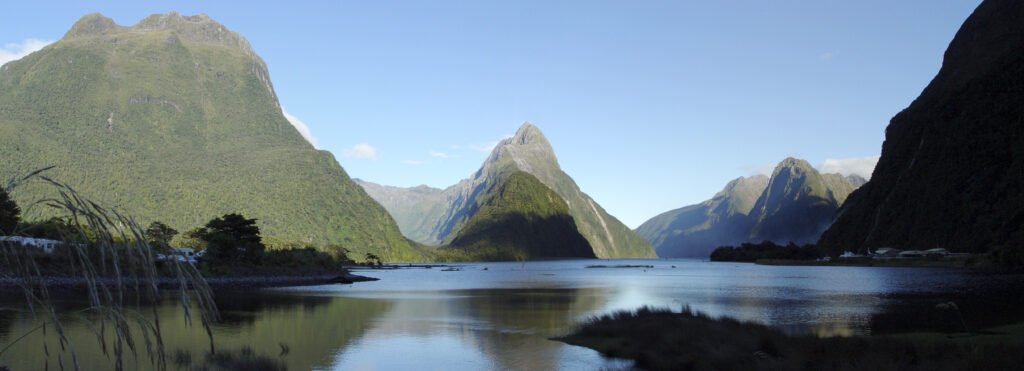
Often called New Zealand’s single most famous natural attraction, this fjord’s sheer cliffs and waterfalls, especially dramatic after rain, which the region gets a lot of, have drawn comparisons to the eighth wonder of the world since Rudyard Kipling used exactly that phrase over a century ago. The drive in from Te Anau is considered one of the most scenic drives on Earth in its own right.
Fiordland National Park, South Island. Free to view; boat cruise fees apply. Best just after rainfall, when temporary waterfalls cascade down the cliff faces in far greater numbers.
Christchurch & Canterbury
The South Island’s largest city, genuinely rebuilt with intention after a devastating 2011 earthquake, anchors the gateway to New Zealand’s high country.
Christchurch
Still recovering in visible ways from the 2011 earthquake that devastated much of its historic center, Christchurch has used the rebuilding process as a genuine opportunity for creative reinvention, container-based pop-up malls, striking new public art, and a citywide embrace of urban gardens all reflect a city that turned disaster into a different kind of civic identity.
South Island. Free to explore. Best combined with a Canterbury high-country day trip, given the city’s role as the main gateway to the region.
North Island vs. South Island
If your time is genuinely limited and you can only choose one, the South Island generally wins for scenery, its mountains, fjords, and glaciers are what fill most New Zealand postcards and film backdrops. The North Island counters with more of the country’s geothermal wonders, its largest and most culturally diverse cities, and a deeper concentration of Māori historical sites, particularly around Rotorua and the Bay of Islands. Weather also splits differently between the two, the South Island’s west coast is genuinely one of the wettest places in the country, while much of the North Island stays milder and drier overall. Most experienced New Zealand travelers will tell you the same thing: if you can manage three weeks, do both, since flying or ferrying between them (via the Interislander or Bluebridge ferry across Cook Strait) is genuinely straightforward.
New Zealand Road Trip Basics
Public transport between New Zealand towns is genuinely limited outside the main cities, making a rental car or campervan the standard way to see the country, and honestly one of the more enjoyable parts of the trip itself, given how consistently scenic the drives are. Distances can be deceptive on a map, New Zealand’s winding, often single-lane mountain roads mean a given distance can take considerably longer to drive than the same distance would elsewhere. The Cook Strait ferry, connecting Wellington on the North Island to Picton on the South Island, is worth booking in advance during peak summer season, since sailings can fill up. Fuel and services genuinely thin out in more remote stretches, particularly on the West Coast and in Fiordland, so planning fuel stops ahead of a long driving day is a good habit.
Māori Culture & Etiquette
Māori culture is genuinely woven into everyday New Zealand life, not confined to museums, the national anthem is sung in both English and Māori, and the haka, a traditional ceremonial dance, is performed before major sporting events by the national rugby team, the All Blacks. Visiting a marae (a Māori meeting ground) as part of an organized cultural experience, common around Rotorua, is one of the most respectful and genuinely rewarding ways to engage directly with the culture, and following the guidance of your host regarding protocol (such as the pōwhiri welcome ceremony) is both expected and appreciated. Learning a few basic Māori words and place names, many New Zealand places carry dual English and Māori names today, is a small gesture that’s genuinely well received.
New Zealand Food Worth Seeking Out
Hāngi, a traditional Māori method of cooking meat and vegetables slowly in an underground pit oven using heated stones, is genuinely worth experiencing at an organized cultural event around Rotorua rather than skipping. New Zealand lamb, raised on some of the country’s famously lush pasture, remains a genuine point of national pride and export, worth seeking out at a proper restaurant rather than assuming all lamb tastes the same. Marlborough Sauvignon Blanc, the wine that put New Zealand on the global wine map, is worth tasting directly at a Marlborough vineyard rather than only the export version found abroad. And a proper flat white, a coffee style genuinely claimed as a New Zealand (and Australian) invention, depending on who you ask, is worth trying here specifically, since the rivalry over its true origin remains a genuinely ongoing point of trans-Tasman debate.
Best Time to Visit New Zealand
New Zealand’s seasons run opposite to the Northern Hemisphere, so December through February is summer, and it’s genuinely the most popular and reliable season for travel, particularly for hiking, glacier access, and the fullest range of boat tours at spots like Milford Sound. March and April (autumn) bring the Marlborough grape harvest along with thinner crowds and still-comfortable weather, making this a genuinely underrated shoulder season. Winter, June through August, suits skiing around Queenstown and the Southern Alps, though many of this guide’s hiking-focused destinations become considerably less accessible during this window. Spring (September-November) brings New Zealand’s countryside into full bloom and offers a good, less crowded alternative to peak summer, though weather can be genuinely more variable during this transitional season.
If this guide helped you plan your New Zealand trip, subscribe to Worldly Traveler on YouTube for more travel guides from around the world.
Frequently Asked Questions
Should I visit the North Island or South Island of New Zealand?
If time is limited, the South Island generally offers more dramatic mountain and fjord scenery, while the North Island holds more of the country’s geothermal activity, Māori cultural sites, and its largest cities. Ideally, a trip includes both.
What is Milford Sound?
Milford Sound is a fjord in the South Island’s Fiordland National Park, framed by sheer cliffs and waterfalls, and often called New Zealand’s most famous natural attraction. Rudyard Kipling once called it the eighth wonder of the world.
How many days do you need in New Zealand?
2-3 weeks allows a well-paced trip covering both islands. A shorter 10-day trip works well focused on just one island, most commonly the South Island for its scenery.
What is the best time of year to visit New Zealand?
New Zealand’s seasons are reversed from the Northern Hemisphere, so December through February is summer, and it’s genuinely the most popular and reliable season for travel, though shoulder months like March and November also offer good weather with fewer crowds.
Do you need a car in New Zealand?
Yes, genuinely. New Zealand’s public transport between towns is limited, and a rental car or campervan is the standard, and honestly the most enjoyable, way to see the country.