
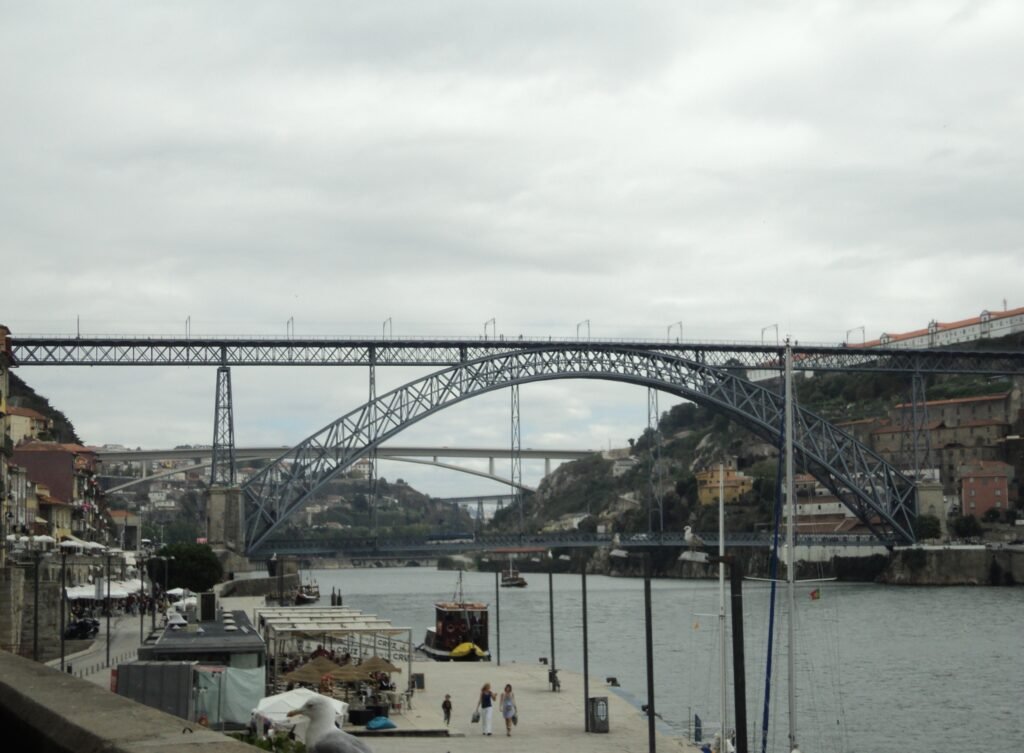
Porto gave Portugal its name, which tells you something about how central this city has been to the country’s identity for over a thousand years. It sits stacked along a steep gorge cut by the Douro River, its buildings a jumble of blue-and-white tiled facades, wrought-iron balconies, and terracotta roofs that tumble down toward the water. This guide covers the essentials, along with a handful of spots that go beyond the standard weekend-trip checklist.
Originally published on Hidden Travel Gems Around the World.
What sets Porto apart from Lisbon, its more famous southern cousin, is a genuinely different pace. Where Lisbon has expanded and modernized in noticeable ways over the past decade, Porto still feels a little rougher around the edges, in the best sense. Laundry hangs between buildings in the old town, family-run tascas outnumber the polished restaurants, and the whole city smells faintly of the Douro River and the wine cellars stacked along its banks. It’s a working port city that happens to be beautiful, not a beautiful city built around tourism.
Part of that grittiness comes from the city’s industrial and maritime history. For centuries, Porto’s economy revolved around shipping, wine, and textiles rather than tourism, and that working-class identity is still visible in the residential blocks that climb the hills above the river, in the local markets that cater to actual residents rather than visitors, and in the way locals talk about their city with a fierce, understated pride rather than the polished civic branding you find in some other European destinations. Porto earned the nickname “the Unconquered City” for successfully resisting a 19th-century siege, and that same stubborn, self-reliant streak still shapes how the place feels today.
The Ribeira & the Riverfront
Vila Nova de Gaia & Port Wine
The Historic City Center
Day Trips from Porto
Porto Food Worth Seeking Out
Best Time to Visit Porto
FAQ
The Ribeira & the Riverfront
Porto’s oldest neighborhood tumbles right down to the water, and it’s genuinely the heart of the city.
The Ribeira District
A UNESCO World Heritage site since 1996, the Ribeira is a maze of narrow, colorful streets that climb steeply away from the Douro. Locals still live here, hanging laundry from balconies just a few floors above restaurant terraces packed with visitors, and the contrast between everyday life and tourist activity is part of what makes it feel so alive rather than staged.
Central Porto, riverfront. Free to explore. Best in the early evening, when the riverside terraces fill and the light on the water turns gold.
Dom Luís I Bridge
Designed by a student of Gustave Eiffel and completed in 1886, this two-tiered iron bridge connects Porto to Vila Nova de Gaia across the river. The upper deck, now used by the metro and pedestrians, offers one of the best views in the city, looking straight down the Douro toward the sea.
Spanning the Douro River. Free to walk. Best at sunset from the upper deck, looking west toward the river mouth.
Elevador da Ribeira
A small public elevator tucked into the hillside, connecting the riverside Ribeira with the steep Barredo neighborhood above. It’s a genuinely practical way to skip one of the city’s more brutal uphill climbs, and most visitors walk right past it without realizing it’s there.
Ribeira district. Small fee. Best on a hot day, when the climb up from the river is genuinely no fun on foot.
Vila Nova de Gaia & Port Wine
Across the river from Porto’s old town sits the neighborhood where the city’s most famous export has been aged for centuries.
The Port Wine Cellars
Port wine is actually grown in the Douro Valley, well inland from Porto itself, but it’s traditionally been shipped downriver and aged in cellars here in Vila Nova de Gaia, which is exactly why the wine carries the city’s name. Historic houses like Graham’s, Taylor’s, and Sandeman line the hillside, most offering tours and tastings that walk you through the difference between tawny, ruby, and vintage port.
Vila Nova de Gaia, across the river from central Porto. Tour and tasting fees vary by cellar. Best booking a tour in advance during peak summer season.

The Gaia Riverfront
Directly across from the Ribeira, this promenade offers what’s arguably the best view of Porto’s colorful skyline, especially at sunset when the light hits the tiled buildings on the opposite bank. Traditional rabelo boats, once used to ship port wine barrels down the river before road transport took over, are still moored along the water here as a nod to that history.
Vila Nova de Gaia riverfront. Free. Best at sunset, looking directly back across the river at Porto’s old town.
The Historic City Center
Away from the river, Porto’s upper town holds some genuinely striking architecture, tiled churches, and one of the most photographed bookstores on Earth.
Livraria Lello
Regularly ranked among the most beautiful bookstores in the world, this early 20th-century shop is known for its carved wooden staircase, stained-glass skylight, and Neo-Gothic detailing. It’s become genuinely overwhelmed by visitors in recent years, partly thanks to rumors, never confirmed, that it inspired J.K. Rowling while she lived in Porto. Entry now requires a paid ticket, redeemable against a book purchase, specifically to manage the crowds.
Central Porto, near Clérigos Tower. Entry fee, redeemable toward a purchase. Best booking a timed entry slot online in advance, since walk-up lines can stretch for hours.
.JPG)
Clérigos Tower
At 76 meters, this Baroque bell tower was once the tallest structure in Portugal, and climbing its 225-step spiral staircase still rewards you with one of the best panoramic views over the city’s tiled rooftops.
Central Porto, near Livraria Lello. Entry fee. Best on a clear day, given how much the view depends on visibility.
São Bento Railway Station
Most train stations aren’t tourist attractions, but São Bento is an exception. Its main hall is covered in roughly twenty thousand hand-painted azulejo tiles, depicting scenes from Portuguese history, and it’s genuinely worth a stop even if you’re not catching a train.
Central Porto. Free to enter. Best combined with a walk through the surrounding old town, given the station’s central location.
%20(48113100628).jpg)
Porto Cathedral (Sé do Porto)
A fortress-like Romanesque cathedral dating back to the 12th century, its cloister lined with more of the blue-and-white tilework Porto is known for. The terrace outside offers sweeping views over the Ribeira and the river below.
Central Porto, above the Ribeira. Free to enter; small fee for the cloister. Best combined with a walk down into the Ribeira, since the cathedral sits right at the top of the hill.
Church of São Francisco
The plain Gothic exterior gives no hint of what’s inside: one of the most extravagant Baroque interiors in Portugal, with an estimated hundred kilograms of gold leaf covering nearly every surface. Beneath the church, a small ossuary holds the remains of monks who once lived and worshipped here.
Central Porto, near the Ribeira. Entry fee. Best allotting extra time for the small museum and catacombs included with admission.
Day Trips from Porto
Porto makes a genuinely good home base for exploring the surrounding region.
The Douro Valley
The terraced vineyards of the Douro Valley, where port wine’s grapes are actually grown, are among the oldest demarcated wine regions in the world, and the landscape itself is dramatic enough that it’s earned UNESCO World Heritage status independent of the wine. A day trip by train, car, or river cruise gets you into the heart of the valley, with tastings at working quintas (wine estates) built right into the hillside.
East of Porto, along the Douro River. Train, car, or cruise options vary in price. Best in September or October, during the grape harvest, when the valley is at its most active.

Guimarães
Often called the birthplace of Portugal, this well-preserved medieval town is where the country’s first king, Afonso Henriques, was born, and its castle and old town remain genuinely intact, with a UNESCO-listed historic center that predates most of what you’ll see in Porto itself.
About an hour from Porto by train. Free to explore town; castle entry fee. Best allotting a full day given the distance from Porto.
Porto Food Worth Seeking Out
Porto’s signature dish is the francesinha, a genuinely massive sandwich layered with several kinds of meat, covered in melted cheese, and drowned in a spicy tomato-and-beer sauce. It’s not subtle, and it’s not meant to be. Tripas à moda do Porto, a tripe stew that gave the city’s residents their nickname, “tripeiros,” reflects a leaner period in the city’s history when the best cuts of meat were sent off to supply Portuguese ships, leaving locals to make the most of what remained. Bacalhau, salt cod, shows up constantly here too, prepared in dozens of regional variations. And no visit is complete without at least one proper port wine tasting, ideally at one of the historic lodges in Vila Nova de Gaia, where you can taste the difference between a young ruby port and something aged for decades in oak.
Best Time to Visit Porto
April through June and September through October offer the most comfortable temperatures, avoiding both the heavier rains of winter and the crowded peak of summer. Late September and October line up with the Douro Valley’s grape harvest, which makes it a genuinely rewarding window if wine is a priority for your trip. Summer brings warm, mostly dry weather and the biggest crowds, especially around São João, Porto’s raucous late-June street festival, when the entire city turns into an all-night party involving squeaky plastic hammers, grilled sardines, and fireworks over the river. Winter stays mild by northern European standards, and while it’s rainier, it’s also genuinely the quietest and least crowded time to see the city’s major sights.
If this guide helped you plan your Porto trip, subscribe to Worldly Traveler on YouTube for more travel guides from around the world.
Frequently Asked Questions
What is Porto known for?
Porto is known for giving Portugal its name, for port wine (which is aged and shipped from cellars along the Douro River in Vila Nova de Gaia), for its blue-and-white tiled buildings, and for the Livraria Lello bookstore, one of the most beautiful in the world.
Is port wine made in Porto?
The grapes are grown further inland in the Douro Valley, but the wine has traditionally been aged and stored in cellars across the river in Vila Nova de Gaia, directly across from Porto’s historic center, which is why the city’s name became attached to the wine.
How many days do you need in Porto?
3-4 days gives you enough time to see the Ribeira district, tour a few wine cellars, and take a day trip into the Douro Valley. A shorter 2-day visit can still cover the city center comfortably.
Is Porto cheaper than Lisbon?
Generally, yes, though the gap has narrowed as Porto’s own popularity has grown. Porto still tends to run a bit less expensive than Lisbon for hotels and restaurants outside the most touristed pockets of each city.
What is the best time of year to visit Porto?
April through June and September through October offer the most comfortable temperatures, while late September and October also line up with the Douro Valley’s grape harvest season.